U.S. Intercepts Iranian Oil Vessel Sevan in Arabian Sea
U.S. intercepts Iranian oil vessel Sevan in the Arabian Sea on April 25, ordering it back to Iran under escort, officials said.
Lauren Collins ·
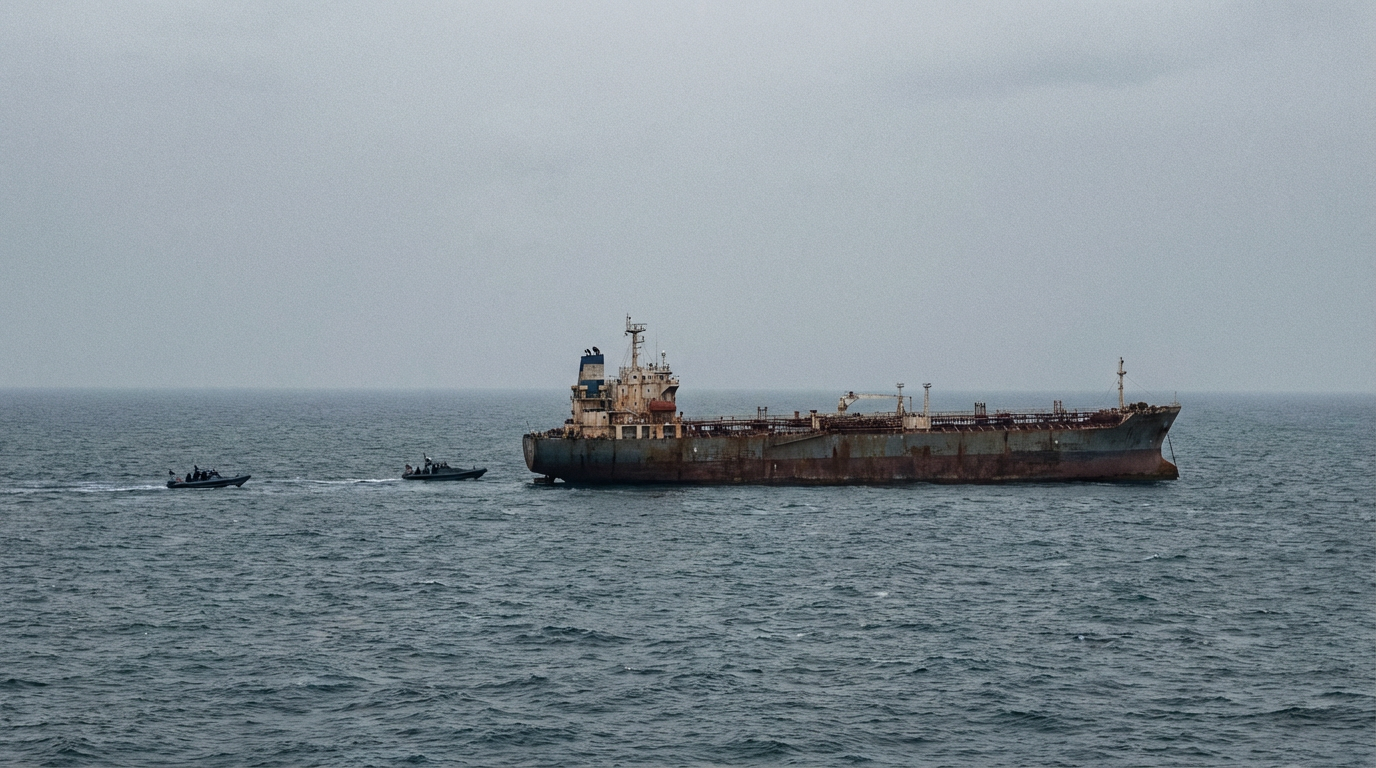
U.S. Central Command said it intercepted a merchant vessel in the Arabian Sea on Saturday, April 25, to stop the movement of Iranian oil and gas products. The vessel, identified as the Sevan , was described by officials as operating within a network used to bypass sanctions on Iran’s energy exports.
According to U.S. Central Command, the interception was carried out by a U.S. Navy helicopter launched from the guided-missile destroyer USS Pinckney . Officials said the operation prevented the Sevan from transporting sanctioned Iranian energy cargo and that the ship is now following U.S. military instructions to return to Iran while under escort.
U.S. officials linked the Sevan to a 19-ship “shadow fleet” that they said has been used to evade restrictions on Iranian oil and gas products. The U.S. Treasury Department had previously sanctioned vessels described as part of this network, citing their role in moving Iranian energy products to international markets. Officials said those shipments included propane and butane and involved “billions of dollars” in Iranian energy products.
The interception was presented as part of a broader enforcement effort aimed at limiting exports that U.S. authorities say violate international sanctions. U.S. Central Command said that since the blockade was put in place, the U.S. military has redirected a total of 37 vessels that were attempting to transport sanctioned Iranian goods.
For global markets, the episode underscores the operational risks surrounding energy cargoes tied to sanctioned supply chains and the potential for disruption along key maritime routes. Officials framed the action as an attempt to disrupt Iran’s ability to export oil and gas products through channels that circumvent restrictions, while the Treasury’s earlier sanctions were described as targeting the logistics that enable those flows.
Some details remain unclear based on the information released, including the Sevan’s intended destination and the specific cargo quantities involved. U.S. Central Command’s statement focused on the interception, the vessel’s compliance, and the broader tally of redirected ships, while the Treasury’s prior sanctions were cited as the basis for identifying the “shadow fleet” and its role in moving Iranian energy products.