US Datacenter Growth Slows Coal Plant Retirements
US datacenter growth is delaying coal plant retirements, extending coal timelines and boosting new natural gas capacity through 2030.
Lauren Collins ·
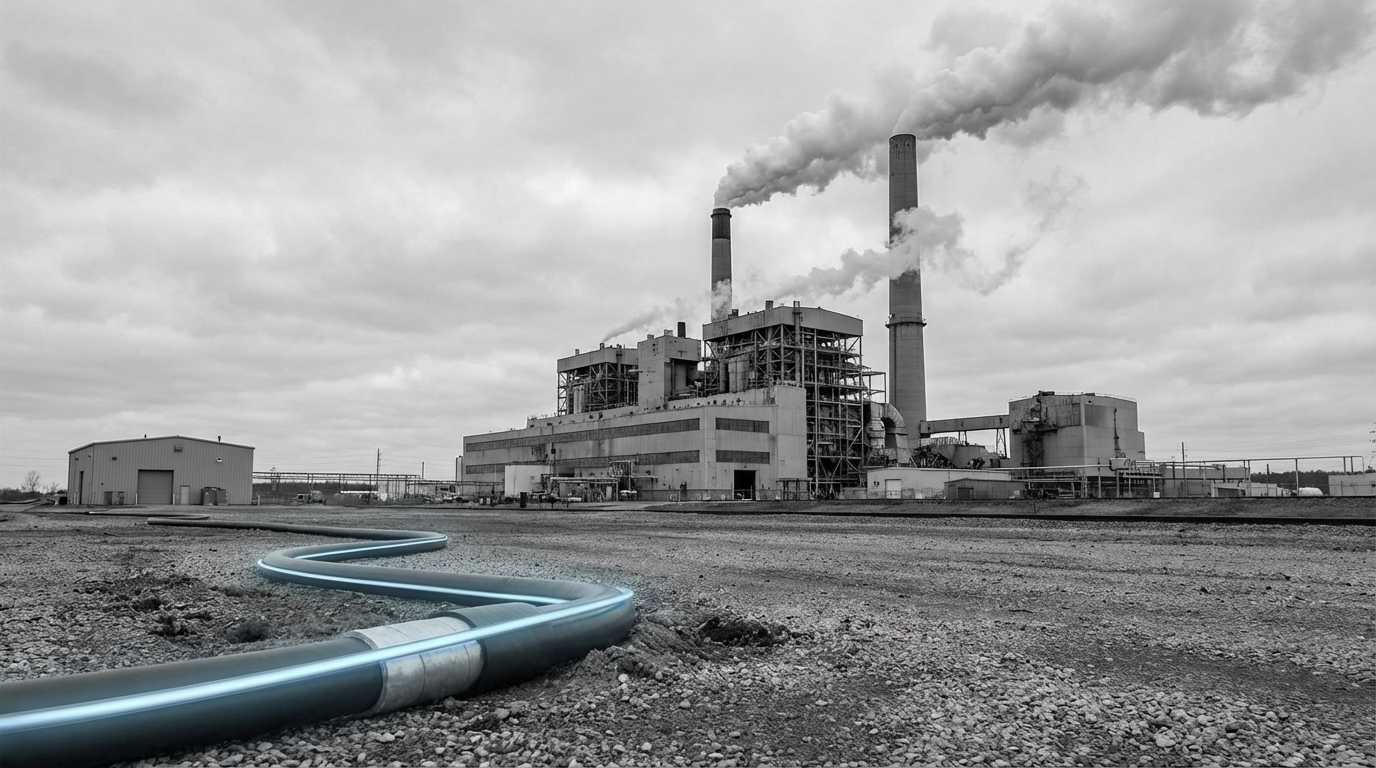
Rising electricity demand tied to datacenter expansion in the United States is keeping older fossil-fuel power plants online longer than planned, according to the figures cited in the source material. The shift is most visible in coal, where scheduled shutdowns and fuel conversions are increasingly being postponed. The same demand is also reinforcing the buildout of natural gas generation capacity.
By the end of 2025, about 40% of coal plant retirements or fuel switches that had been scheduled have not taken place. The source material links these delays to higher power needs associated with datacenter growth. As a result, the pace of coal retirements is slowing rather than accelerating.
The delay changes the long-range outlook for coal operations. At the current rate described, the projected operating lifespan of coal plants is extended from 2040 to 2065 . That shift implies a much longer period in which coal-fired generation remains part of the US power mix than earlier timelines suggested.
At the same time, the source material points to a widening role for natural gas infrastructure. It cites 41.8 GW of new gas plants projected to be added by 2030 , while only 13.2 GW of gas capacity is scheduled for retirement. This combination increases reliance on gas-fired generation even as coal units remain in service longer than expected.
The buildout also has a long duration once assets are constructed. The source material notes that gas plants typically operate for 30–40 years , meaning new additions can commit the system to decades of gas-fired generation. In parallel, the continued operation of coal units beyond planned retirement dates extends exposure to coal-related emissions.
Emissions data in the source material highlights the scale of the issue. In 2023 , 15 coal plants that were operating past their planned retirement dates emitted nearly 65 million metric tons of greenhouse gases. The same plants also contributed to air pollution, including sulfur dioxide, nitrogen oxides, and mercury, which the source material says pose public health risks.
What remains uncertain in the source material is how quickly planned retirements and fuel switches can resume while meeting rising electricity demand. The figures presented show a system balancing near-term reliability needs against longer-term retirement schedules, with coal and gas both playing larger roles than previously expected under the cited timelines.
Implications
Country Impact: For the United States, higher electricity demand associated with datacenter expansion is contributing to extended operation of aging fossil-fuel plants. The source material indicates this is slowing coal retirements and increasing reliance on natural gas infrastructure, with associated air-pollution and public health risks.
Industry Impact: For the power sector, the cited projections point to delayed coal shutdowns alongside significant new natural gas buildout. Because gas plants typically have 30–40 year lifespans, the additions described can lock in long-lived infrastructure while coal units remain online longer than planned.
Market Impact: For markets, the figures suggest sustained demand for coal and natural gas generation capacity as datacenter-driven electricity needs rise. Globally, the extended timelines for coal operations and the scale of new gas additions in the United States matter for energy trade flows and for how quickly emissions trajectories can change, though the source material does not quantify those downstream effects.