US Intelligence: Iran's Capabilities 'Largely Degraded'
US intelligence assesses Iran's regime as 'intact' but 'largely degraded' after strikes, with its nuclear program 'obliterated'.
Lauren Collins ·
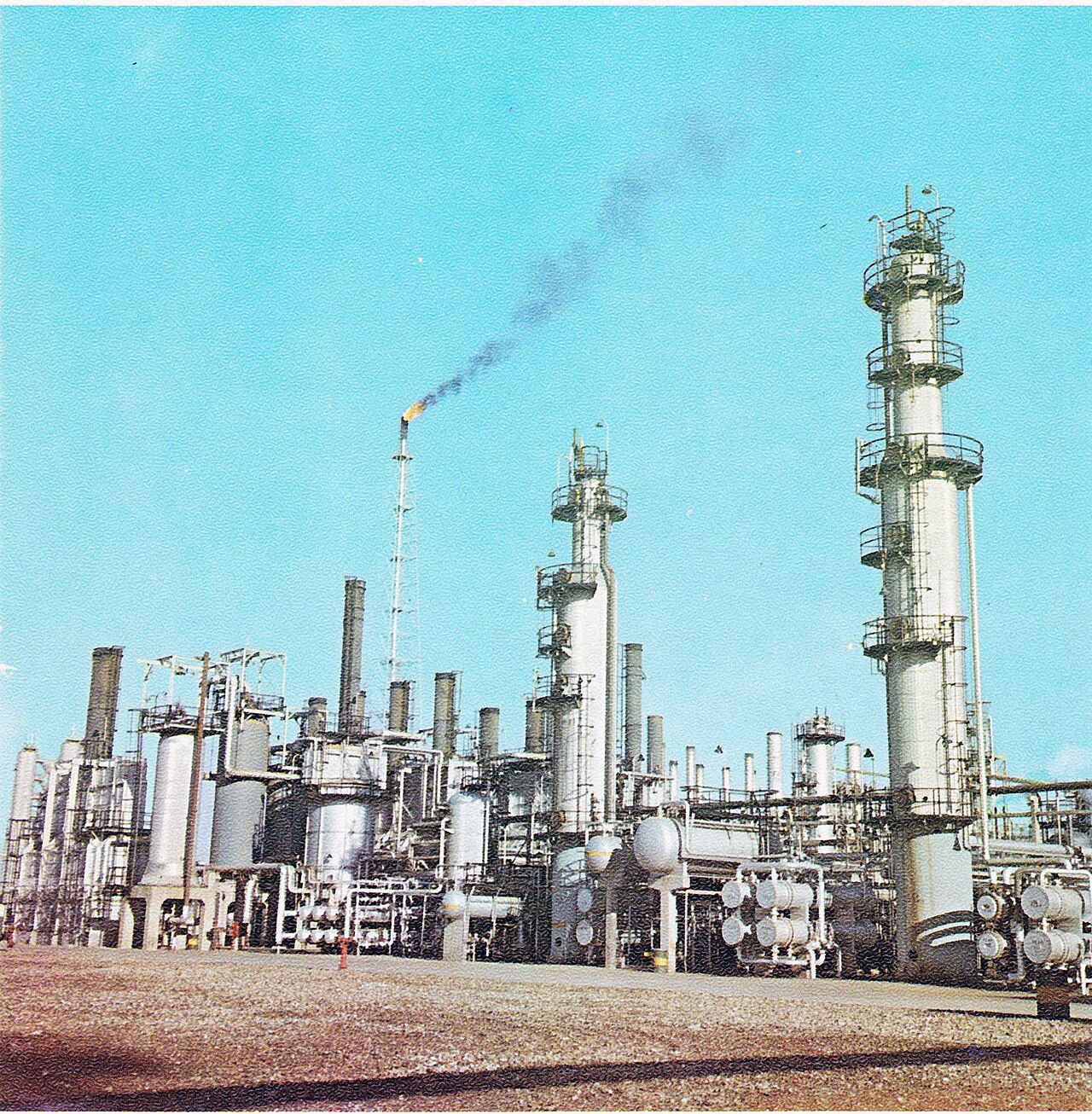
The U.S. intelligence community recently assessed that Iran's national infrastructure and military capabilities have been significantly diminished, though its regime remains operational. This evaluation was presented by Director of National Intelligence Tulsi Gabbard during a congressional hearing on Wednesday, marking the first public intelligence briefing since the conflict initiated in late February.
During her testimony, Gabbard detailed the impact of U.S. and Israeli military actions conducted over a 12-day period in June 2025. These operations reportedly targeted and "obliterated" Iran's nuclear enrichment program, with no subsequent indications of reconstruction efforts. The Director also confirmed that the U.S. had anticipated potential disruptions in the Strait of Hormuz, a vital global shipping lane, and had implemented pre-emptive contingency plans.
Congressional Scrutiny and Threat Assessment
Lawmakers at the hearing questioned the rationale behind the military strikes and the intelligence community's role in presidential decision-making. While Gabbard refrained from directly addressing whether Iran posed an imminent threat prior to the conflict, CIA Director John Ratcliffe asserted that Iran had consistently represented an immediate threat to U.S. interests.
This assessment follows the resignation of a senior counterterrorism official who had previously stated that Iran did not pose an imminent threat to the United States before the recent hostilities. The intelligence community had long held the view that Iran would likely attempt to control the Strait of Hormuz in the event of a conflict, prompting U.S. defensive preparations.
Broader Intelligence Community Involvement
The briefing involved key leaders from various U.S. intelligence agencies, including the CIA, FBI, NSA, and DIA, all of whom contributed to the comprehensive global threats assessment. Their collective testimony underscored the significant degradation of Iran's military and nuclear infrastructure following the coordinated strikes.
This public disclosure provides insight into the strategic thinking and operational outcomes following a period of heightened geopolitical tension. The focus on the Strait of Hormuz highlights its enduring importance to global energy markets and international trade, influencing U.S. defense postures in the region.
Regional Stability and Future Outlook
The intelligence community's findings suggest a shift in the regional power balance, with Iran's capabilities reportedly curtailed. The absence of nuclear program reconstruction efforts, if sustained, could have long-term implications for non-proliferation efforts in the Middle East. However, the continued presence of the Iranian regime indicates that political and strategic challenges persist.
Future developments will likely hinge on Iran's internal response to these setbacks and the broader geopolitical reactions from regional and international actors. The U.S. intelligence posture will continue to monitor these dynamics, particularly concerning maritime security and potential resurgence of Iranian capabilities.
Implications
Country Impact: The U.S. assessment suggests a significant reduction in Iran's military and nuclear capabilities, potentially altering its regional influence. This could lead to a reassessment of U.S. foreign policy and defense strategies in the Middle East.
Industry Impact: The reported 'obliteration' of Iran's nuclear program and pre-emptive planning for the Strait of Hormuz could stabilize global energy markets by reducing perceived supply chain risks. However, ongoing regional tensions may still introduce volatility.
Market Impact: Global markets may react to perceived de-escalation of immediate threats from Iran, potentially leading to increased investor confidence in the region. However, the long-term political stability and potential for new conflicts remain key concerns for commodity prices and regional equities.