Rio Police Raid Kills Eight, Sparks Retaliation
A Rio police raid on March 18, 2026, killed eight, including a gang leader, sparking retaliation and renewing debate on law enforcement tactics.
Lauren Collins ·
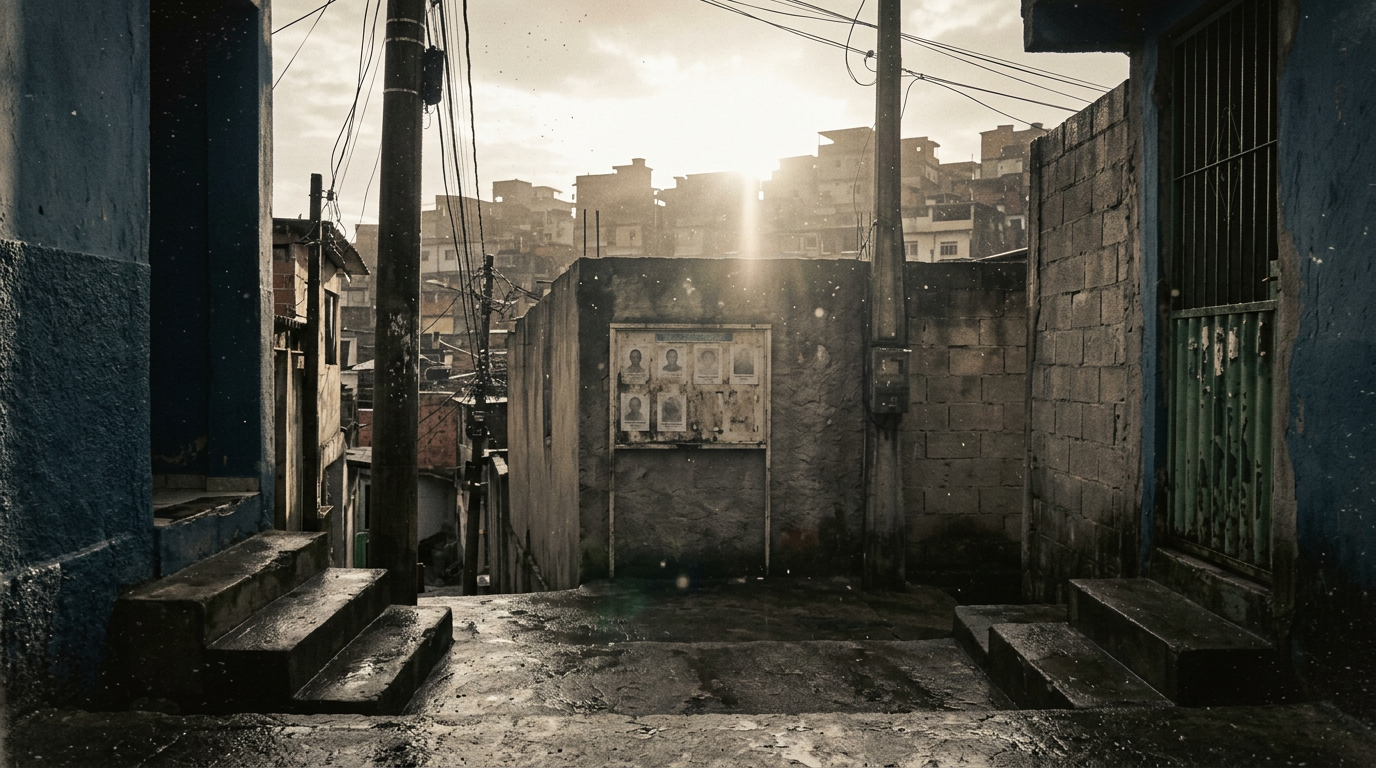
Eight individuals died on March 18, 2026, during a police operation in central Rio de Janeiro, Brazil. The action targeted the Comando Vermelho (Red Command) criminal organization, leading to a violent confrontation in several favela communities. This incident underscores ongoing challenges in urban security and law enforcement tactics within the region.
The operation involved approximately 150 military police officers. They conducted raids across multiple favela areas, specifically Prazeres and Fallet, which are known strongholds for organized crime. The primary objective was to disrupt the activities of the Comando Vermelho, a prominent criminal faction in Brazil.
Fatalities and Key Figures
The fatalities included seven suspected members of the criminal group. Among them was Claudio Augusto dos Santos, identified as a commander within the Red Command. Additionally, one local resident was killed, reportedly caught in the crossfire during the intense exchanges between police and armed individuals.
Aftermath and Public Response
Following the police action, members of the Red Command reportedly initiated retaliatory acts. These included blocking roads and setting a public bus on fire in various parts of the city. Authorities subsequently arrested five individuals in connection with these acts of vandalism and public disruption.
Context of Police Operations
This event is part of a broader pattern of high-casualty police operations in Rio de Janeiro. A previous raid in October, for instance, resulted in over 130 fatalities in the Complexo da Penha favela. Such incidents frequently draw international attention to the methods employed by Brazilian law enforcement.
Political and Social Debate
The recurring high death tolls in these operations have fueled significant debate. Some political figures and human rights organizations have voiced criticism regarding police tactics, citing concerns about proportionality and the impact on civilian populations. Conversely, other political factions advocate for more aggressive measures against criminal organizations, emphasizing the need to restore public order and security.
The ongoing cycle of violence and law enforcement responses remains a critical issue for Brazil's political and social landscape.
Implications
Country Impact: Brazil faces continued challenges in urban security, with high-casualty police operations sparking debate over law enforcement tactics and human rights. The cycle of violence between criminal groups and state forces impacts public safety and governance.
Industry Impact: The disruption caused by criminal retaliation, such as road blockages and vehicle fires, can affect local transportation and logistics industries. Increased security concerns may also influence tourism and foreign investment perceptions in affected regions.
Market Impact: While direct market impact might be localized, persistent security instability in major economic centers like Rio de Janeiro can contribute to broader investor uncertainty regarding Brazil's overall risk profile. This could subtly influence currency stability and bond yields.