US Indicts Sinaloa Governor, Strains Ties With Mexico
The U.S. has charged Sinaloa Governor Rubén Rocha with drug trafficking, escalating pressure on Mexico’s new government and its security policies.
Lauren Collins ·
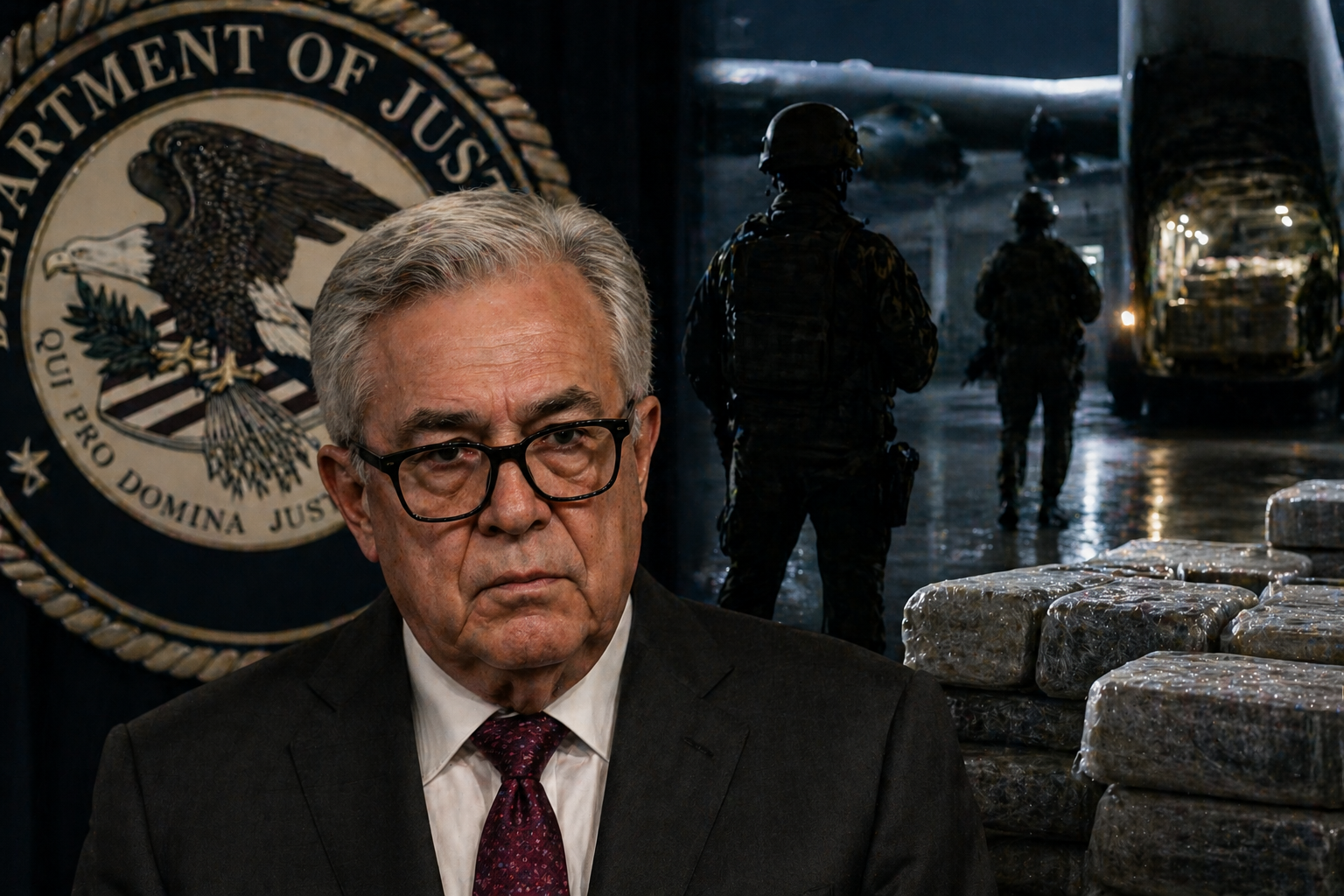
US Indictment Targets High-Level Official
The United States government has unsealed a stunning indictment against Sinaloa Governor Rubén Rocha, charging the high-ranking Mexican official with conspiring to traffic drugs and possess machine guns. The move by the U.S. Justice Department marks a dramatic escalation in its strategy to combat drug cartels south of the border.
This action against a sitting governor opens a new and challenging chapter in the bilateral relationship between the U.S. and the administration of new Mexican President Claudia Sheinbaum. Rocha, 76, is a prominent member of Sheinbaum’s ruling Morena party.
According to the charges announced Wednesday, Governor Rocha allegedly collaborated directly with leaders of the notorious Sinaloa Cartel. Prosecutors accuse him of accepting bribes and leveraging his political power to facilitate the smuggling of narcotics into the United States.
Deep Political Ramifications
The indictment sends political shockwaves through Mexico’s ruling establishment. Governor Rocha is not only a member of the Morena party but is also considered a close political ally of former President Andrés Manuel López Obrador, Sheinbaum's mentor and predecessor.
His alleged collusion with organized crime strikes at the heart of the government's security narrative and presents an immediate crisis for President Sheinbaum. The charges could fuel tensions within the Morena party and test its ability to address high-level corruption allegations from its most critical ally.
Security analysts have described the indictment as a historic moment, signaling a more aggressive U.S. posture. If extradited and convicted in a U.S. federal court, Rocha could face a mandatory minimum sentence of 40 years in prison for the combined charges.
A New Era of Bilateral Tension
This legal action against Rocha and other unnamed Mexican officials indicates a significant shift in U.S. anit-cartel policy. It moves beyond targeting cartel operatives to directly confronting alleged corruption within the Mexican state apparatus that enables them.
The indictment puts immense pressure on President Sheinbaum to demonstrate her commitment to fighting corruption and organized crime, core tenets of her campaign. The response from her government will be closely monitored in Washington and could set the tone for security cooperation for years to come.
The next steps will likely involve a formal extradition request from the United States. How Mexico’s legal and political systems handle such a high-profile request will be a critical indicator of the future trajectory of U.S.-Mexico relations and the broader war on drugs.