Israel Establishes Lebanon Buffer Zone Post-Ceasefire
Israel set a 10 km “Yellow Line” buffer in southern Lebanon after the April 17, 2026 ceasefire, drawing rejection from Lebanon and Hezbollah.
Lauren Collins ·
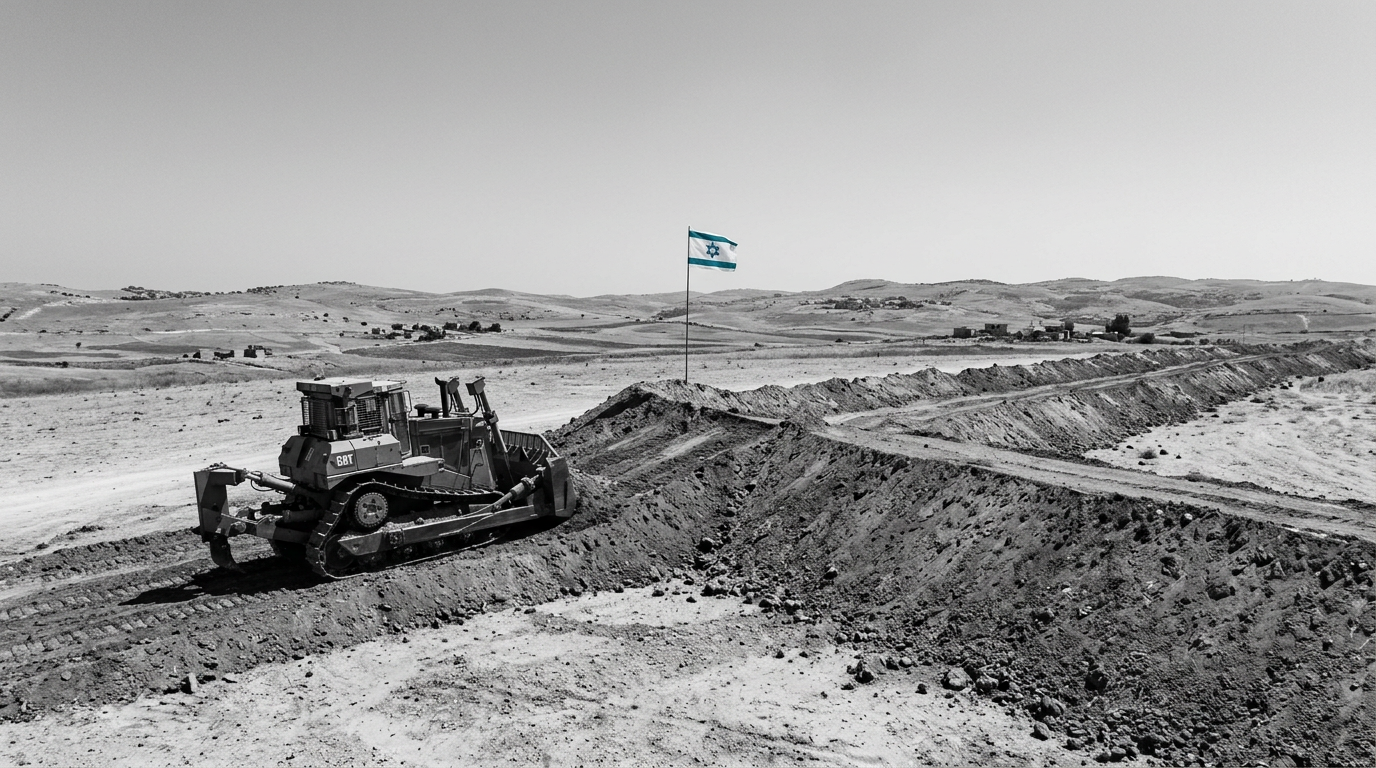
Israeli forces have established a military buffer zone inside southern Lebanon , described as the “Yellow Line,” extending about 10 kilometers (6 miles) from the border. The move followed a ceasefire that began on Thursday night, April 17, 2026, and has prompted questions about how durable the truce will be, according to the account provided.
The ceasefire was agreed after 46 days of intensified Israeli strikes and a ground invasion in southern Lebanon, and it was set to last 10 days. Despite the start of the truce, Israeli forces were reported to have carried out demolitions, artillery shelling, and land-clearing operations in border areas. Those actions, alongside the creation of the zone, have been cited as reasons for concern that the agreement may not hold.
Israeli officials said the military intends to keep control of the area. Prime Minister Benjamin Netanyahu and Defence Minister Israel Katz stated that Israel would maintain military control over the zone and asserted a right to strike within it to counter Hezbollah. The approach was described as resembling a model used in Gaza, where a “Yellow Line” framework has left a significant portion of territory under Israeli military control and has restricted residents from returning to their homes.
Lebanon and Hezbollah rejected the establishment of the buffer zone. They described it as an occupation of sovereign territory and said it contradicts the premise of the ceasefire. Hezbollah said its fighters would remain deployed and would respond to any Israeli violations, arguing that a ceasefire must be mutual and require a complete halt to hostilities as well as an Israeli withdrawal from Lebanese territory.
Dispute has also focused on the ceasefire’s wording. The agreement includes language allowing Israel to take “all necessary measures in self-defense,” which critics said is broad enough to be interpreted in a way that permits continued Israeli military action inside the buffer zone. That interpretation, as described, is central to the disagreement over whether ongoing operations are compatible with the ceasefire.
What remains unclear is how the competing positions will be reconciled during the 10-day truce, given Israel’s stated intent to retain control and Lebanon and Hezbollah’s stated refusal to accept the zone. The reported continuation of demolitions, shelling, and land-clearing in border areas adds uncertainty over whether the ceasefire can function as a full pause in hostilities.