Iran Warns of Strait Closure Amid US Sanctions
Iran threatens Hormuz closure unless the US lifts sanctions on Iranian ports, raising risks for oil flows and global trade on April 19, 2026.
Lauren Collins ·
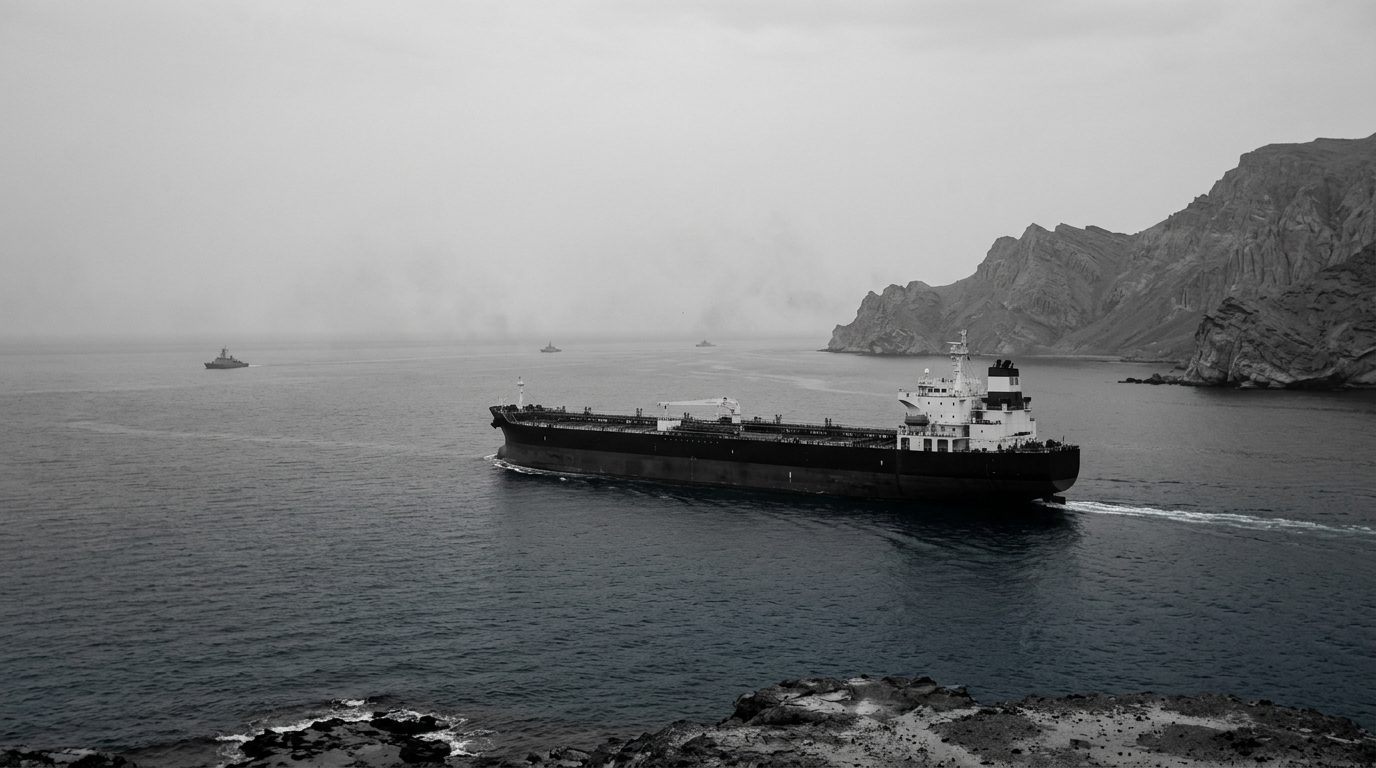
Iran has warned it could shut the Strait of Hormuz to maritime traffic unless the United States lifts sanctions targeting Iranian ports, according to officials. The warning was reported on April 19, 2026, and centers on one of the world’s most important energy transit routes. The Iranian government described the U.S. measures as a “siege” on its ports, framing the threat as a response to economic pressure.
The Strait of Hormuz is a narrow passage linking the Persian Gulf to open seas and is widely regarded as a critical chokepoint for global energy flows. About one-fifth of the world’s oil supply is reported to pass through the strait each day, making any disruption immediately relevant to international markets. The latest warning therefore carries implications well beyond the region, given the role of seaborne oil in global pricing and trade.
Operationally, the situation has already affected shipping behavior, according to reports cited in the source material. Iranian gunboats and radio warnings issued by the Islamic Revolutionary Guard Corps (IRGC) have reportedly discouraged commercial vessels from transiting the area. While the strait has not been confirmed as closed in the source material, the reported deterrence signals heightened risk for shipping and insurers operating near the waterway.
The timing also overlaps with a fragile regional security environment. The threat coincides with the potential expiration of ceasefires between Israel and Lebanon, and between the U.S. and other regional actors, which has raised concerns about wider escalation. The source material links these parallel developments as part of a broader backdrop of tension, even as the immediate trigger for Iran’s warning is tied to sanctions on ports.
For global markets, the central issue is the possibility of a sudden interruption to a route that underpins energy supply chains. The source material states that a closure would significantly disrupt international oil markets and global trade, with potential for higher energy prices and instability across supply chains. Such disruption would not be limited to oil-importing states in one region, given the interconnected nature of shipping, refining, and downstream transport costs.
Key uncertainties remain, including whether the threat translates into a sustained operational blockade and how other regional actors respond if shipping is further impeded. The episode underscores continuing friction between Iran and the United States over economic sanctions and regional security, with the Strait of Hormuz again positioned as a focal point for pressure and risk.