Iran, US trade peace plans as Hormuz deadline looms
U.S.-Iran peace proposals were exchanged as a Tuesday deadline to reopen the Strait of Hormuz nears and other nations discuss shipping security.
Lauren Collins ·
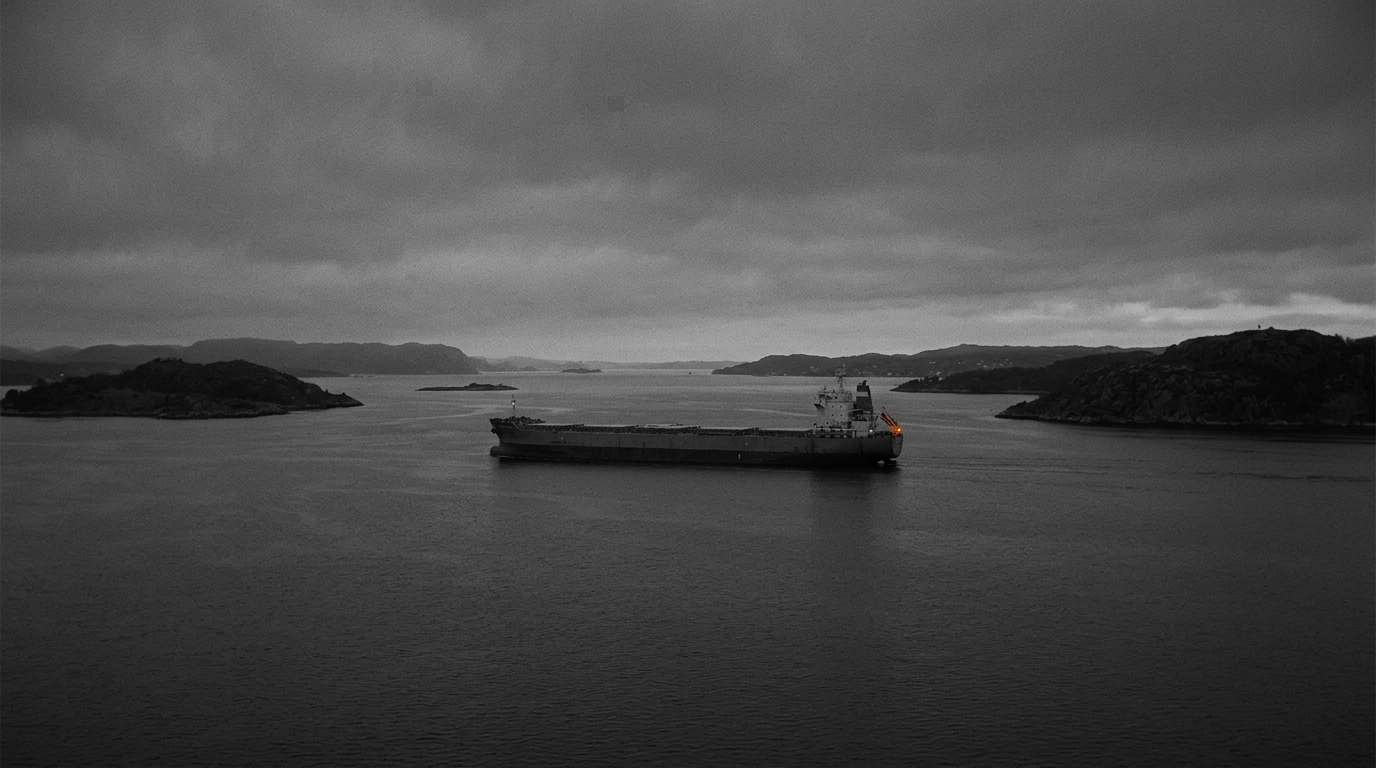
The United States and Iran have exchanged proposals intended to reduce hostilities as tensions rise around the Strait of Hormuz, a key global shipping route that Iran has kept blocked, according to officials. The diplomatic activity comes as a U.S. deadline approaches for Iran to reopen the strait by Tuesday, with U.S. military action threatened if the route remains closed.
Iran delivered a 10-point plan on Monday through Pakistani mediation, officials said. The U.S. had earlier put forward a 15-point plan that Iran rejected last month, underscoring the gap between the two sides even as talks continue.
According to the details described, Iran’s proposal seeks guarantees against further attacks and calls for an end to Israeli strikes on Hezbollah, which was described as Iran’s Lebanese proxy. In exchange, Iran would lift its blockade of the Strait of Hormuz and introduce a $2 million per ship transit fee. The proceeds would be split with Oman, with the funds earmarked for infrastructure reconstruction, officials said.
U.S. President Trump characterized Iran’s latest offer as a “significant step” and said negotiations were continuing with what he called a “new Iranian leadership.” The comments signaled that Washington views the latest proposal as a basis for further engagement, even as the U.S. deadline remains in place.
Pakistan’s army chief, Field Marshal Syed Asim Munir, is serving as the mediator between Washington and Tehran, officials said. Munir previously met with President Trump in 2025, and Pakistan is now acting as the channel for the latest exchange of proposals.
Separately, other countries have convened to coordinate diplomatic responses and discuss steps to secure international shipping, according to officials. Those talks have included Britain, France, Germany, Canada, and Gulf states, while the United States was not present at the multilateral discussions described.
Additional initiatives were also outlined by officials. Italy has proposed establishing a humanitarian corridor, and Japan is seeking direct talks with Iran.
Key uncertainties remain, including whether Iran will accept any U.S. conditions tied to reopening the strait before Tuesday and whether the parties can bridge differences after Iran’s rejection of the earlier U.S. plan last month. Officials have not provided a timeline for concluding negotiations or clarified how any guarantees or enforcement mechanisms would be structured.