US Justice Department Faces Staff Exodus, Political Interference
DOJ loses 25% of lawyers due to shifting focus, political interference, security breaches, and evolving antitrust enforcement.
Ayla Demirhan ·
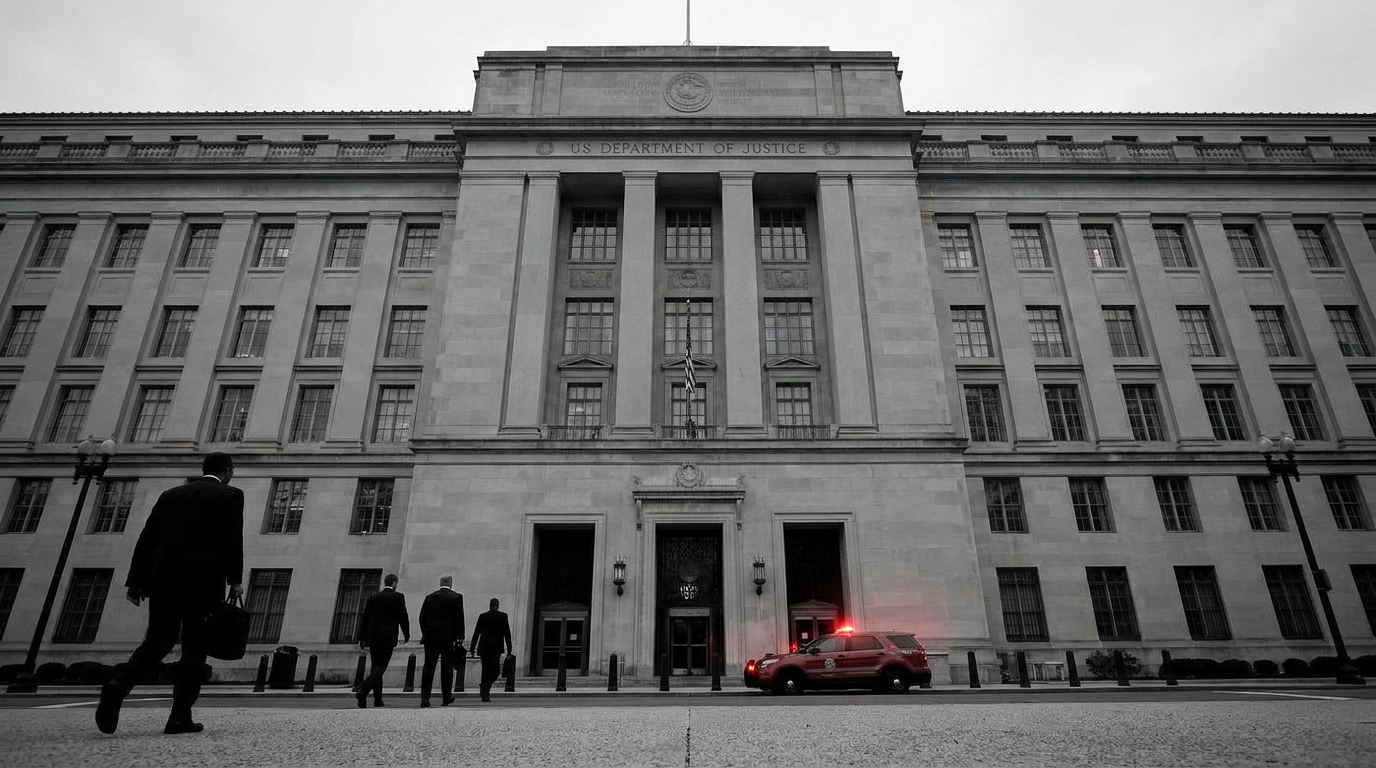
The US Department of Justice (DOJ) has experienced a 25% reduction in its legal staff, with thousands of lawyers resigning or being terminated. This significant attrition coincides with a shift in the department's focus towards immigration and political adversaries.
Former FBI Director James Comey has been indicted on charges of threatening the President, with a photograph cited as evidence of intent. This action follows a period of increased political scrutiny on the DOJ.
Separately, a US soldier faces charges for alleged insider trading related to a mission to apprehend a foreign leader. This indicates potential vulnerabilities in classified information security.
The DOJ's approach to white-collar crime enforcement has reportedly led to a decrease in activity for defense lawyers in that sector. This suggests a reprioritization of prosecutorial efforts.
In antitrust matters, a US jury found Live Nation monopolized concert ticketing, leading to a penalty phase. However, a federal court invalidated Biden-era antitrust rules, indicating a shifting regulatory landscape.
Attorney-General Pam Bondi was dismissed following pressure regarding her handling of files related to Jeffrey Epstein. Congressional panels are also investigating the release of Epstein-related documents and potential links to high-profile individuals.
US prosecutors have charged a co-founder of Supermicro with illegally smuggling Nvidia chips to China, highlighting ongoing concerns about technology export controls. A US judge also dismissed DOJ subpoenas to the Federal Reserve, citing insufficient evidence and concerns about political pressure on interest rate decisions.