US-China Trade Talks Address Tariffs, Tech Controls
US and Chinese officials hold trade talks in Paris to address tariffs, tech controls, and agricultural purchases, ahead of a presidential summit.
Lauren Collins ·
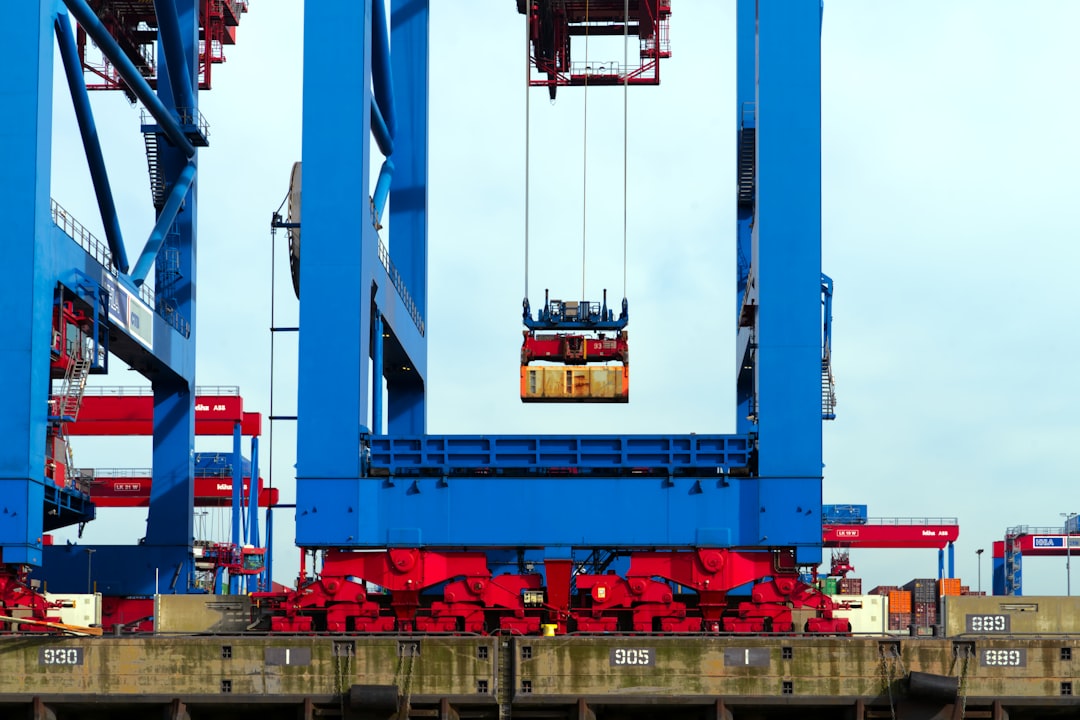
Officials from the United States and China have commenced trade negotiations in Paris, France, this week. These discussions are a preparatory step for an anticipated summit between the leaders of both nations. The primary agenda includes addressing existing US tariffs on Chinese goods, the supply chain stability of rare earth minerals from China, American restrictions on high-tech exports, and China's commitments regarding agricultural purchases from the US.
These bilateral talks unfold against a backdrop of heightened trade friction that characterized much of 2025. Recent developments, such as new US inquiries into alleged Chinese industrial overcapacity and concerns over forced labor practices, have added complexity to the economic relationship.
Key Discussion Points Emerge
The Paris meeting is strategically positioned to lay groundwork for a future presidential meeting. While trade issues form the core of the agenda, broader geopolitical concerns are also influencing the discussions. The ongoing conflict involving the US, Israel, and Iran, particularly its impact on global energy markets and the security of the Strait of Hormuz, is expected to feature in the dialogue.
Geopolitical Context and Expectations
Analysts indicate that substantial breakthroughs on trade policy are improbable during these preliminary talks. This assessment is based on the limited preparation time available and the current US foreign policy focus on Middle Eastern geopolitical dynamics. The immediate objective of these engagements appears to be sustaining open communication channels and mitigating further escalation of economic and political tensions between the two global powers.
Historical Trade Relations
The trade relationship between the United States and China has been marked by periods of both cooperation and intense competition. Over the past decade, disputes have frequently centered on issues such as intellectual property rights, market access, and trade imbalances. The imposition of tariffs by both sides in recent years has significantly altered global supply chains and trade flows, impacting various sectors from manufacturing to agriculture.
Economic Implications for Global Markets
Uncertainty surrounding US-China trade relations often translates into volatility in global financial markets. Businesses worldwide closely monitor these negotiations for signals regarding future trade policies, which can influence investment decisions, commodity prices, and currency valuations. The stability of the rare earth minerals supply, for instance, is critical for numerous high-tech industries globally, making it a key point of contention and discussion.
Outlook for Future Engagements
While immediate resolutions are not anticipated, the continuation of high-level dialogue is seen as crucial for managing the complex relationship. Future engagements will likely continue to balance economic imperatives with geopolitical considerations, particularly as both nations navigate evolving global challenges and domestic priorities. The outcome of the presidential summit, once scheduled, will be a significant indicator of the trajectory of US-China relations.
Implications
Country Impact: The United States and China are navigating complex economic and geopolitical challenges, with trade talks aiming to stabilize relations. Domestic economic pressures and foreign policy priorities in both nations will influence the pace and scope of future agreements.
Industry Impact: Industries reliant on global supply chains, particularly those involving rare earth minerals and high-tech components, face ongoing uncertainty. Agricultural sectors, especially in the US, are closely watching for potential increases in Chinese demand.
Market Impact: Global financial markets may experience continued volatility as trade and geopolitical tensions persist. Energy markets, specifically oil prices, are particularly sensitive to developments in the Middle East, which are intertwined with US-China discussions.