Iran Denies Role in Saudi Oil Infrastructure Attacks
Iran's ambassador to Saudi Arabia denied Tehran's responsibility for recent attacks on Saudi oil infrastructure, citing a focus on U.S. and Israeli targets.
Lauren Collins ·
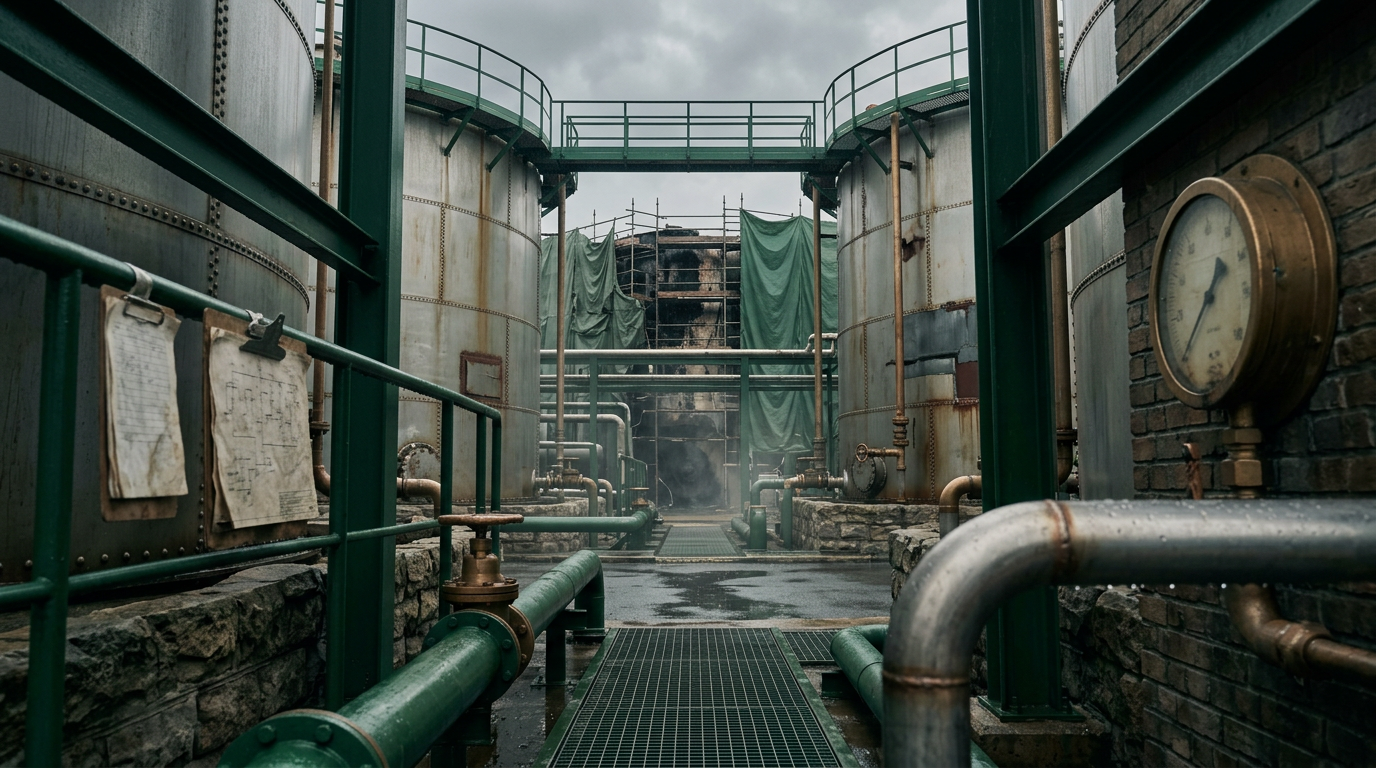
Iran's ambassador to Saudi Arabia, Alireza Enayati, recently disavowed Tehran's involvement in assaults on Saudi oil facilities, including the Ras Tanura refinery and the Shaybah oilfield. Enayati asserted that Iran's military operations are exclusively directed at U.S. and Israeli military assets and interests, a response to earlier attacks against Iran in late February. The Saudi Arabian Ministry of Defense has not officially attributed responsibility for these incidents.
Diplomatic Engagements Amid Regional Tensions
Ambassador Enayati confirmed ongoing direct communication with Saudi officials, indicating that bilateral relations are progressing. Discussions have included Saudi Arabia's assurance that its territory will not be utilized for actions against Iran. This diplomatic engagement occurs against a backdrop of heightened regional tensions.
Iranian Stance on Military Actions
Enayati articulated that if Iran had been responsible for the attacks on Saudi oil infrastructure, it would have publicly acknowledged its role. He reiterated that current Iranian military responses are confined to U.S. and Israeli targets across various regional countries, including Saudi Arabia, Qatar, Bahrain, Jordan, Iraq, and the United Arab Emirates, following the aforementioned late February strikes.
Calls for Regional Cooperation and Security
Iran's Foreign Minister, Abbas Araghchi, also denied any targeting of civilian areas and proposed the formation of a joint committee with neighboring states to investigate responsibility for such attacks. Enayati emphasized that the broader regional conflict was externally imposed and advocated for enhanced regional cooperation.
He urged the United States and Israel to cease their attacks and called for international security guarantees to prevent future aggression, aiming to de-escalate the volatile situation.
Impact on Oil Infrastructure
The Ras Tanura refinery experienced a temporary operational halt due to drone debris, while the Shaybah oilfield also reported attempted attacks. These incidents underscore the vulnerability of critical energy infrastructure in the region amidst ongoing geopolitical friction. The lack of official attribution from Saudi Arabia leaves the precise perpetrators of these specific attacks unconfirmed.
Broader Geopolitical Context
The denials from Iranian officials come as the Middle East remains a focal point of international concern, with various state and non-state actors engaged in complex power dynamics. S. and Israel, continues to shape the security landscape. Iran consistently frames its actions as defensive responses to perceived aggressions, seeking to project an image of measured retaliation rather than unprovoked escalation.
The call for international security guarantees highlights Iran's desire for a more stable regional environment, albeit one that aligns with its strategic interests.
Implications
Country Impact: The ongoing tensions and unconfirmed attacks could destabilize regional security, impacting diplomatic relations between Middle Eastern states. Saudi Arabia's non-attribution of blame suggests a cautious approach to avoid further escalation, while Iran seeks to manage its international image.
Industry Impact: Attacks on critical oil infrastructure, such as the Ras Tanura refinery and Shaybah oilfield, introduce supply chain risks and potential volatility in global energy markets. Temporary operational disruptions can lead to price fluctuations and increased insurance premiums for regional energy assets.
Market Impact: Uncertainty surrounding oil supply and geopolitical stability in the Middle East typically leads to increased crude oil prices and heightened investor caution. Equity markets in energy-dependent economies may experience downward pressure, while safe-haven assets could see increased demand.