US and Iran strikes escalate geopolitical risk, roiling oil and safe-haven assets
Officials reported new US-Iran strikes, putting oil, haven assets and Gulf security back at the center of Monday’s market risk.
Mateo Fernandez ·
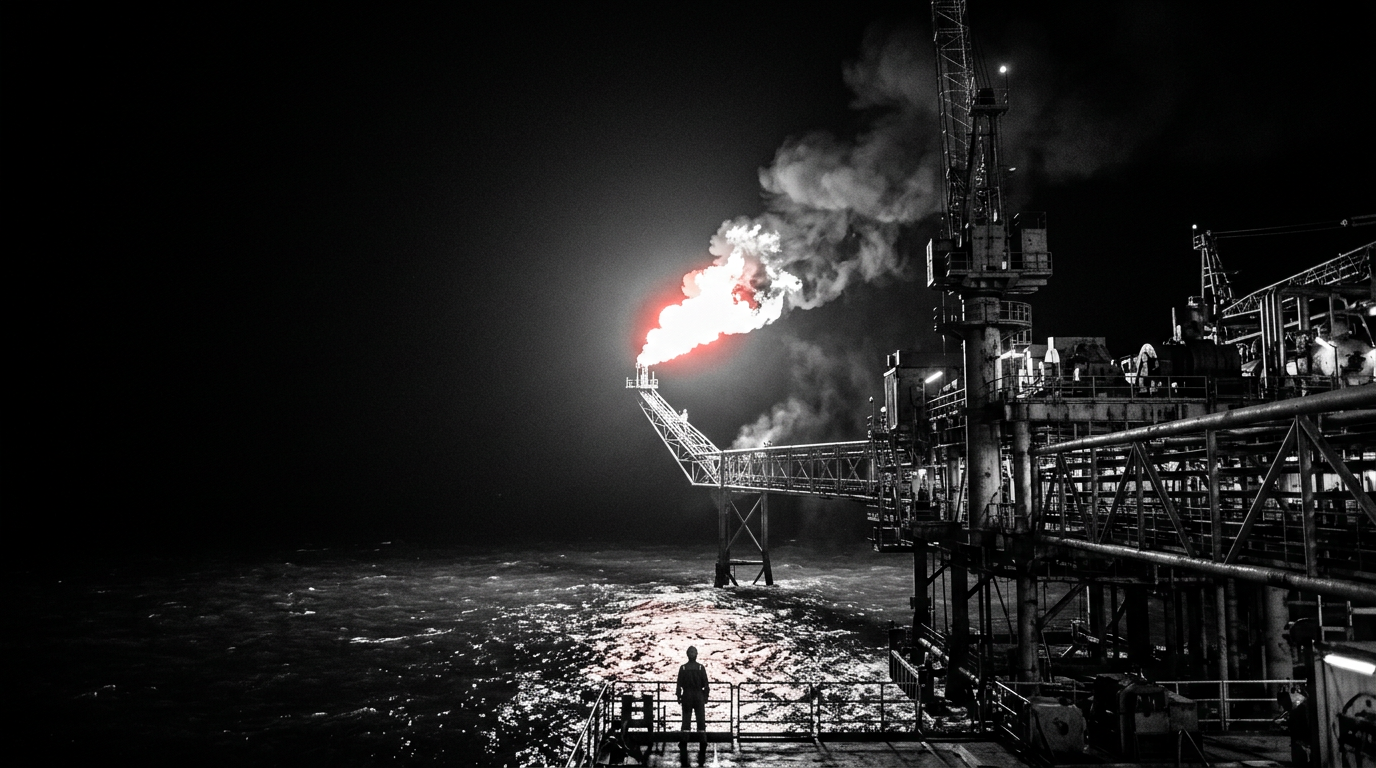
Officials reported new attacks involving the United States and Iran on September 7, adding a fresh geopolitical risk before Monday trading in energy, currencies and haven assets. Details on targets, casualties and the sequence of the strikes were not immediately available, leaving markets to price the event first through risk assets exposed to the Gulf and crude supply routes.
US-Iran escalation risk
The immediate macro channel is oil.
If the strikes remain contained and shipping lanes operate normally, the first-round effect may be limited to a risk premium in crude and defense-linked assets. If officials confirm damage to energy infrastructure, military facilities or maritime traffic, traders are likely to focus on supply disruption risk and inflation-sensitive bond markets.
For companies, the clearest near-term exposure sits with airlines, shippers, oil producers and defense contractors. Carriers and logistics groups face higher fuel and insurance costs if routes are adjusted, while energy producers may see revenue expectations shift with crude prices. Defense companies may trade on expectations for procurement or replenishment demand, but that linkage depends on official policy signals rather than the strike report alone.
The wider industry effect depends on whether the exchange changes operating conditions in the Gulf. A contained exchange would keep attention on diplomacy and military posture. A broader response would push energy, freight, insurance and emerging-market risk into the same trade.
By September 8, 2026, the key test is whether officials describe the strikes as complete or signal further action, which would set the tone for oil, haven currencies and regional equity risk.