US and Iran Exchange Direct Strikes Amid Rising Tensions
The United States and Iran have engaged in direct missile and drone exchanges across the Middle East, marking a significant escalation in regional conflict.
Atlas Newsdesk ·
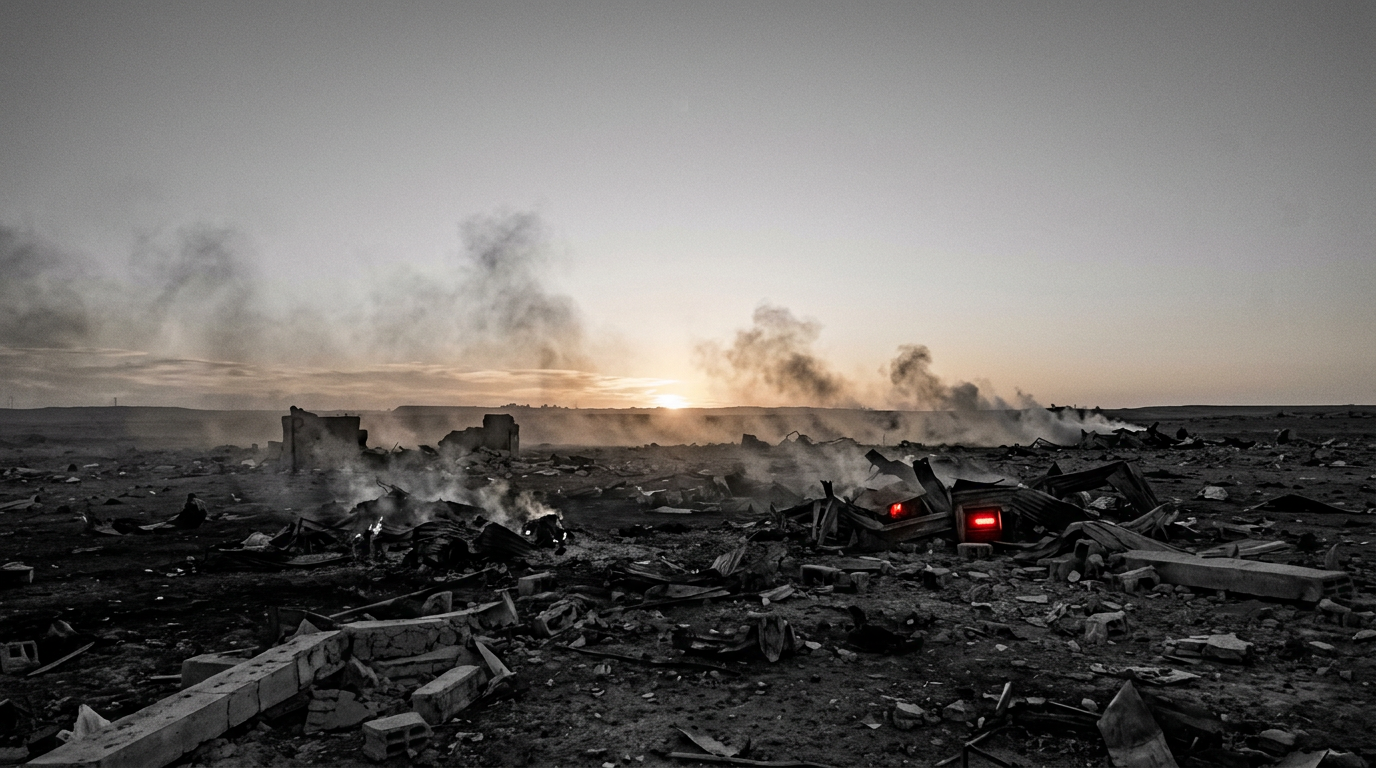
Military forces from both the United States and Iran have conducted direct missile and drone attacks against each other throughout the Middle East. This series of actions represents a notable increase in regional hostilities, following earlier reports of Iranian attempts to target American forces and commercial vessels in the critical Strait of Hormuz waterway. These developments highlight a volatile period of direct confrontation.
Officials stated that the U.S. military responded with precise operations targeting Iranian infrastructure. These actions were described as strictly limited to military objectives, with no intentional targeting of non-combatants. Despite these assurances, reports have emerged detailing civilian casualties, underscoring the broader impact of the escalating military engagements.
Humanitarian Concerns Emerge Amid Strikes
A recent incident highlighted the humanitarian cost of the ongoing exchanges. The Iranian Red Crescent announced that a strike on a building in southern Iran resulted in four fatalities, including one child. According to the organization, the structure was hosting a wedding celebration at the time of the incident, bringing into sharp focus the unintended consequences for civilians in the conflict zone. Such incidents raise international concern regarding the rules of engagement and the protection of non-combatants.
The immediate sequence of events demonstrates a clear progression from threats against maritime security in the Strait of Hormuz to direct military retaliation. This dynamic introduces substantial risks for regional stability, particularly concerning vital trade routes. The Strait of Hormuz is globally recognized as a crucial chokepoint through which a significant portion of the world's oil supply transits, making any disruptions in this area directly influential on international energy prices and global trade flows.
Broader Implications for Regional Security
The current escalation adds further complexity to an already volatile region. It is expected to impact commercial shipping insurance premiums and heighten operational risks for vessels navigating these waters. Experts suggest this situation significantly increases the probability of a sustained, direct conflict between the two nations, which could have far-reaching global implications for both energy markets and international shipping.
Analysts anticipate that the immediate future will likely feature intensified military posturing from both sides. Further retaliatory actions are also expected from Iranian-aligned proxy groups operating across various parts of the region. These groups, frequently implicated in attacks on shipping or infrastructure, could broaden the scope of the conflict beyond direct U.S.-Iran exchanges, creating a more diffused and challenging security environment across the Middle East.
The broader context of these events includes long-standing tensions between Washington and Tehran, rooted in disagreements over Iran's nuclear program, its regional influence, and U.S.-imposed sanctions. Each military action and counteraction risks eroding diplomatic pathways, pushing the situation closer to a wider confrontation. This scenario, while not explicitly desired by either side, appears increasingly likely, impacting global stability and economic forecasts.