US, Iran Exchange Strikes Amidst Deal Speculation
US and Iran continued military strikes on March 15, 2026, amidst Middle East tensions, impacting global energy markets and shipping.
Lauren Collins ·
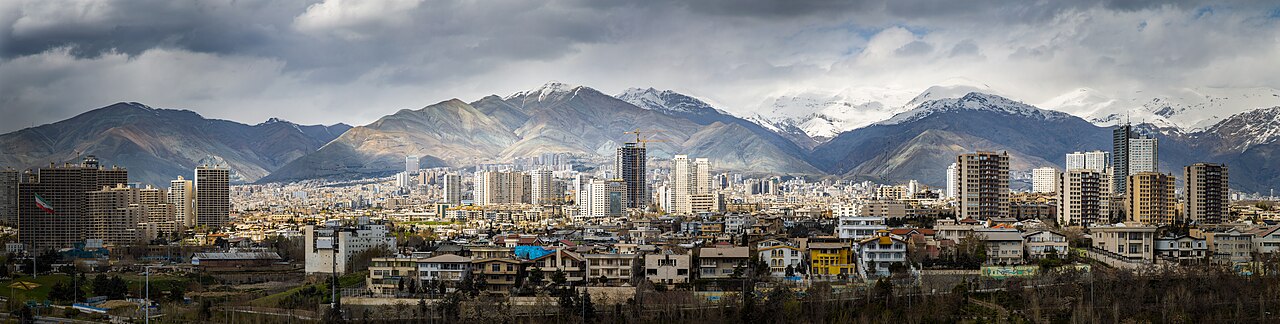
Military engagements between the United States and Iran persisted on March 15, 2026, against a backdrop of wider Middle East tensions. These ongoing hostilities have significantly impacted maritime transit through the critical Strait of Hormuz, leading to disruptions in global energy markets. The continuation of strikes occurred as former U.S. President Donald Trump publicly expressed an openness to negotiating a new agreement with Tehran.
Escalating Regional Tensions
The recent military actions underscore the persistent friction between Washington and Tehran. The Strait of Hormuz, a vital chokepoint for international oil shipments, has experienced heightened risk due to these confrontations. This instability directly affects the global supply chain for crude oil and natural gas, contributing to market volatility.
Diplomatic Overtures and Rejections
Despite former President Trump's public statements regarding a potential deal, Iranian Foreign Minister Abbas Araghchi clarified that Iran has not initiated any requests for negotiations or a ceasefire. Araghchi's remarks suggest a divergence in public messaging regarding the appetite for de-escalation or a new diplomatic framework. Trump's previous administration withdrew from the Joint Comprehensive Plan of Action (JCPOA) in 2018, imposing stringent sanctions on Iran.
Economic and Market Repercussions
The sustained conflict has generated considerable uncertainty in international commodity markets. Concerns over the security of oil and gas supplies from the Persian Gulf region have driven up prices and increased market volatility. Analysts are closely monitoring the situation for any signs of further escalation or potential de-escalation that could stabilize energy prices.
Historical Context of US-Iran Relations
The current state of affairs is rooted in decades of complex and often adversarial relations between the two nations. Following the 1979 Iranian Revolution, diplomatic ties were severed, leading to a prolonged period of mistrust and indirect confrontation. Key flashpoints have included the Iran-Iraq War, Iran's nuclear program, and regional proxy conflicts.
The JCPOA, signed in 2015, represented a brief period of diplomatic engagement aimed at curbing Iran's nuclear ambitions in exchange for sanctions relief. Its unraveling under the Trump administration reignited tensions, leading to the current environment of military posturing and economic pressure.
Outlook for Stability
The immediate outlook remains uncertain, with continued military activity juxtaposed against speculative diplomatic overtures. The international community is closely watching for any developments that could either intensify the conflict or pave the way for renewed dialogue. The impact on global trade routes and energy security remains a primary concern for policymakers and market participants worldwide.
Implications
Country Impact: The ongoing US-Iran tensions exacerbate regional instability across the Middle East, potentially drawing in other actors and prolonging existing conflicts. This dynamic complicates diplomatic efforts and security arrangements for nations in the Persian Gulf.
Industry Impact: The energy sector faces significant disruption, particularly for oil and gas companies reliant on shipping through the Strait of Hormuz. Increased insurance premiums, rerouting costs, and supply chain uncertainties are direct consequences, impacting global energy prices.
Market Impact: Global financial markets are experiencing heightened volatility, especially in commodity futures. Investors are reacting to supply risk premiums, leading to fluctuations in oil and gas prices, and potentially impacting broader economic indicators like inflation and growth forecasts.