U.S. Cracks Down on Tariff Evasion Through Third-Country Transshipment
US alleges tariff evasion via third-country transshipment, citing routing through 40+ jurisdictions and suspect trade of $40B–$303B.
Atlas Newsdesk ·
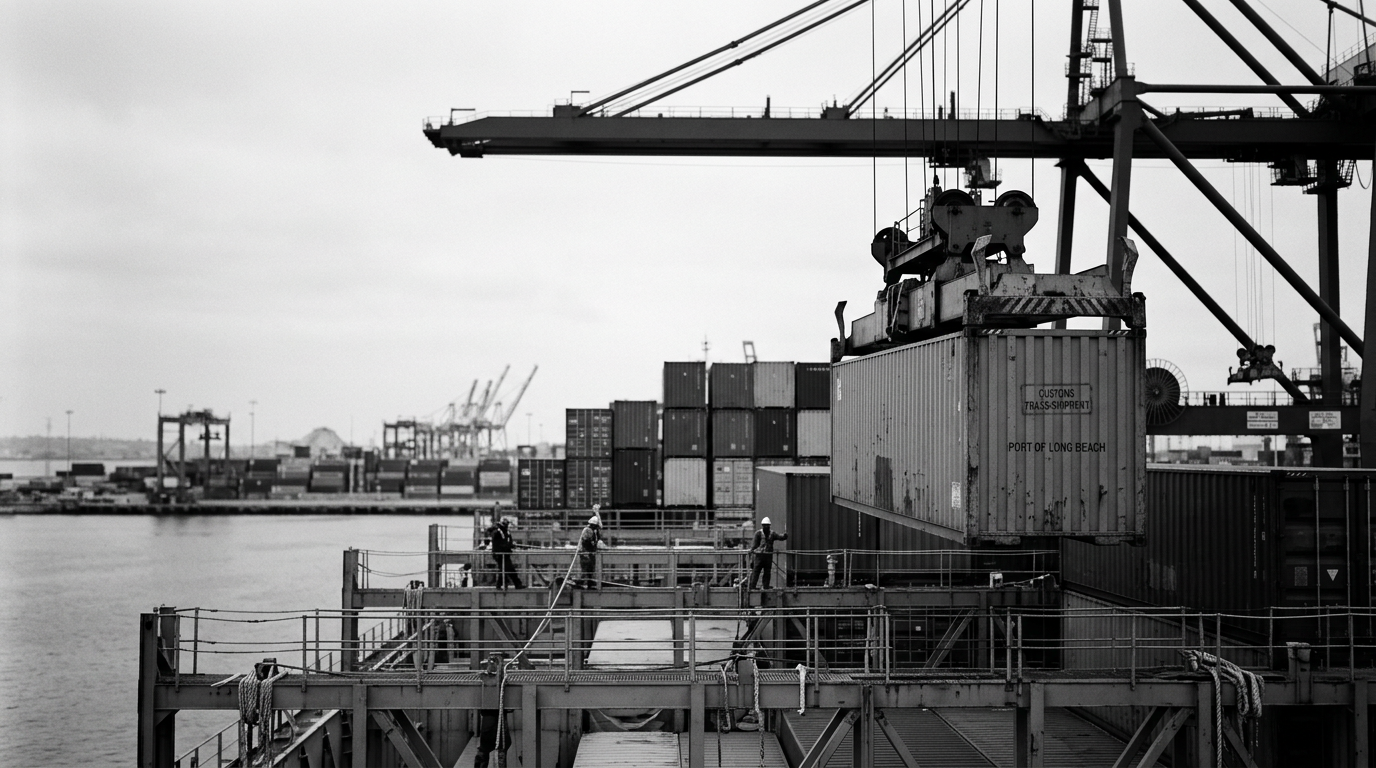
The US administration has formally accused Chinese exporters of running a broad transshipment operation designed to обход existing US trade tariffs. Officials said the scheme relies on routing goods through more than 40 third-party jurisdictions and then presenting altered country-of-origin paperwork.
According to the allegations, the process can include relabeling products and carrying out minor assembly steps in transit locations to support the appearance that shipments originate outside China. The administration framed the activity as systematic and large-scale, rather than isolated incidents.
How the alleged scheme is said to work
Officials described the alleged approach as a coordinated Officials described the alleged approach as a coordinated use of intermediary hubs to obscure origin and reduce tariff exposure when goods enter the United States. The administration said documentation is misrepresented through country-of-origin claims that do not reflect the original source of production.
The government’s estimates place the annual value of transactions considered suspect within a wide range, from $40 billion to $303 billion. Officials did not present a single point estimate in the cited figures, instead emphasizing the uncertainty around the total scale.
Economic estimates cited by the administration Using a model that assumes $75 billion in illicit trade each year, the administration projected significant domestic effects. Under that assumption, officials estimate a displacement of 450,000 domestic jobs and a potential GDP loss of $150 billion.
The US
The figures were presented as scenario-based projections tied to the model’s $75 billion input, not as confirmed outcomes. The administration’s estimates underscore how enforcement decisions can be linked to claimed labor-market and growth impacts.
Enforcement posture and supply-chain scrutiny
Officials indicated the allegations mark an escalation in trade enforcement policy and could lead to tighter scrutiny of supply chains that run through transit hubs, including those in Southeast Asia. The administration’s findings point toward more aggressive customs audits as a likely operational response.
The government also raised the possibility of secondary sanctions targeting entities that facilitate diversions. Officials did not specify which jurisdictions, industries, or companies would be prioritized, leaving key details unresolved.
Compliance risk for multinationals using complex routing
Institutional risk was described as elevated for multinational corporations that depend on multi-jurisdictional supply chains and intricate routing practices. The administration’s statements suggest that origin documentation, assembly steps in third locations, and routing through multiple ports could face heightened review.
Officials said that increased regulatory friction could slow trade velocity and raise compliance costs for firms operating across these corridors. The administration has not provided a timetable for any specific actions, audits, or sanctions linked to the allegations.