Romania shuts nuclear reactor as Danube hits record lows
Romania shut its last operating nuclear reactor on Aug 13 after record-low Danube flows constrained cooling water, officials said.
Mateo Fernandez ·
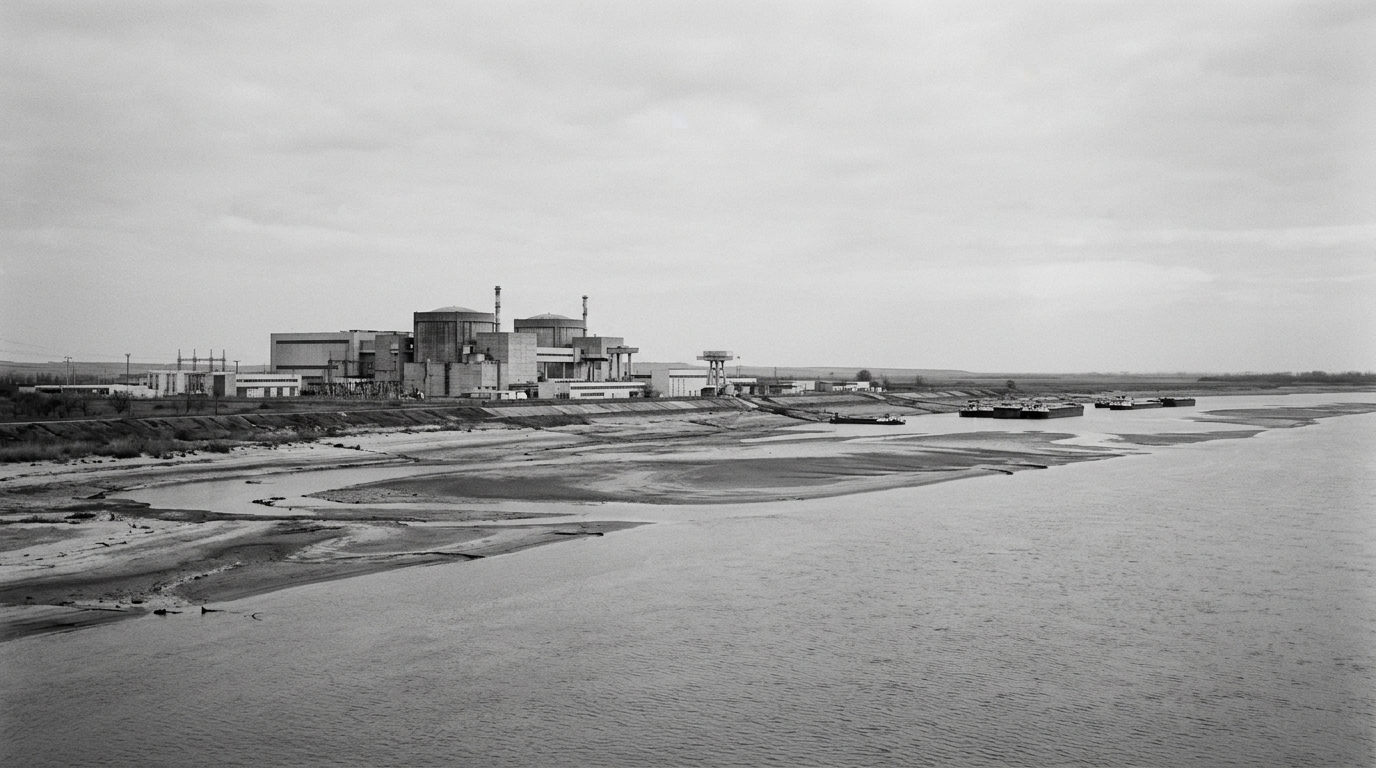
Romania shut down its last working nuclear reactor on Aug 13 after the Danube’s flow fell to record lows, officials said, while Hungary worked to keep a nuclear plant operating under the same constraints.
Officials said the unusually low river levels reduced the amount of water available for cooling systems, prompting operators to cut output or halt generation. A reaction from other stakeholders was not immediately available.
Danube water levels force cuts to reactor output Danube water levels force cuts to reactor output Officials said the operational decisions were directly tied Officials said the operational decisions were directly tied to cooling limits created by historic low flows on the Danube. With less water available, operators reduced production or stopped units to stay within required operating conditions. Officials said the immediate effect was a drop in dispatchable nuclear capacity across regional grids. That loss tightened near-term supply margins at a time when system operators typically rely on steady baseload output to support daily balancing. Regional grid supply tightens as substitution risks rise Grid and energy officials warned that if low flows persist, additional curtailments could follow. They said prolonged constraints would increase dependence on cross-border electricity imports and on power plants fueled by fossil fuels.
Officials said a shift toward gas-fired and diesel-fired generation during peak hours could raise demand for those fuels and add upward pressure to spot wholesale power prices. They also cautioned that reduced nuclear availability can complicate short-term balancing for transmission managers, particularly when demand peaks or when other generators are constrained.
Aug 20 seen as a key date for
Aug 20 seen as a key date for operational decisions Officials said that if the Danube remains at record-low flows through Aug 20, operators may need to extend outages or further reduce output. They said that scenario would tighten supply conditions and make grid operations more challenging in the near term.
Market participants and grid operators are expected to monitor river-gauge readings and daily dispatch notices over the coming week. Officials said those indicators will be central to judging whether short-term fuel switching or emergency measures may be required.