Oil reserves cover 5 million bpd gap for 180 days
IEA emergency oil reserves could mechanically cover a 5 million bpd shortfall for 180 days, keeping the public buffer in focus amid conflict risks.
Mateo Fernandez ·
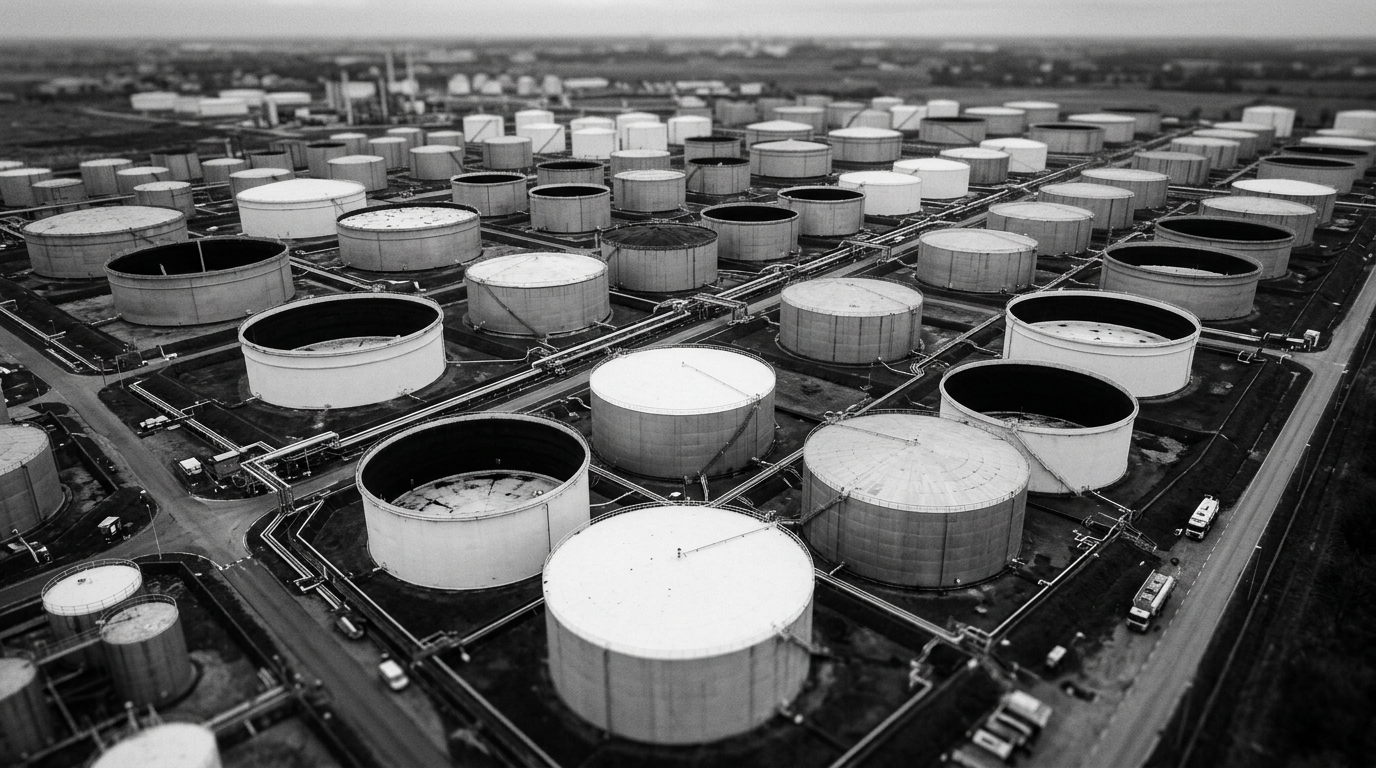
New data indicates that state-controlled emergency oil reserves held by countries in the International Energy Agency could, in theory, offset a 5 million barrel-a-day supply shortfall for 180 days.
The calculation has drawn attention to the market’s public “buffer” as reported US-Iran conflict risks raise concerns about potential disruptions to energy flows.
It assumes the daily supply gap remains fixed Emergency stocks face a 180-day mechanical test Officials and market participants often treat emergency reserves Officials and market participants often treat emergency reserves as a backstop during sudden disruptions, but the data-based estimate is described as mechanical rather than a forecast. It assumes the daily supply gap remains fixed at 5 million barrels and that government-controlled stocks can be made available for release at that pace. Even under those assumptions, the 180-day figure highlights a practical boundary: emergency inventories are designed to smooth interruptions, not to replace missing production indefinitely.
Why the public buffer matters to policy and pricing If a 5 million barrel-a-day deficit persists If a 5 million barrel-a-day deficit persists, the 180-day threshold offers traders and policymakers a working sense of how long public stocks could offset the loss before the cushion becomes materially thinner. For the global macro backdrop, the mechanism is straightforward in the data narrative: oil prices flow through to transport, power, and the cost of goods. In a tighter crude market, reserve releases may only slow the price adjustment rather than prevent it. In that setting, inflation pressure would be harder to contain in economies that rely heavily on imports. Operational pressures for producers, refiners, and logistics For the oil industry, a sustained drawdown would sharpen focus on spare production capacity, shipping routes, and the availability of refinery feedstocks.
The source material says producers with barrels available would gain pricing leverage, while refiners facing higher crude input costs could see margin pressure if fuel demand does not absorb the increase.
Near-term uncertainty through August 14, 2026 The picture changes materially if the shortfall eases, as pressure on reserves would diminish and price risk could be more contained.
If it does not ease and lasts beyond the next 24 hours through August 14, 2026, attention is expected to turn to whether governments coordinate releases and whether physical buyers begin bidding more aggressively for replacement barrels.