UAE Quits OPEC Amidst Quota Clash
UAE exits OPEC after announcing its withdrawal on April 28, 2026, citing long-running disputes over production quotas and growth plans.
Atlas Newsdesk ·
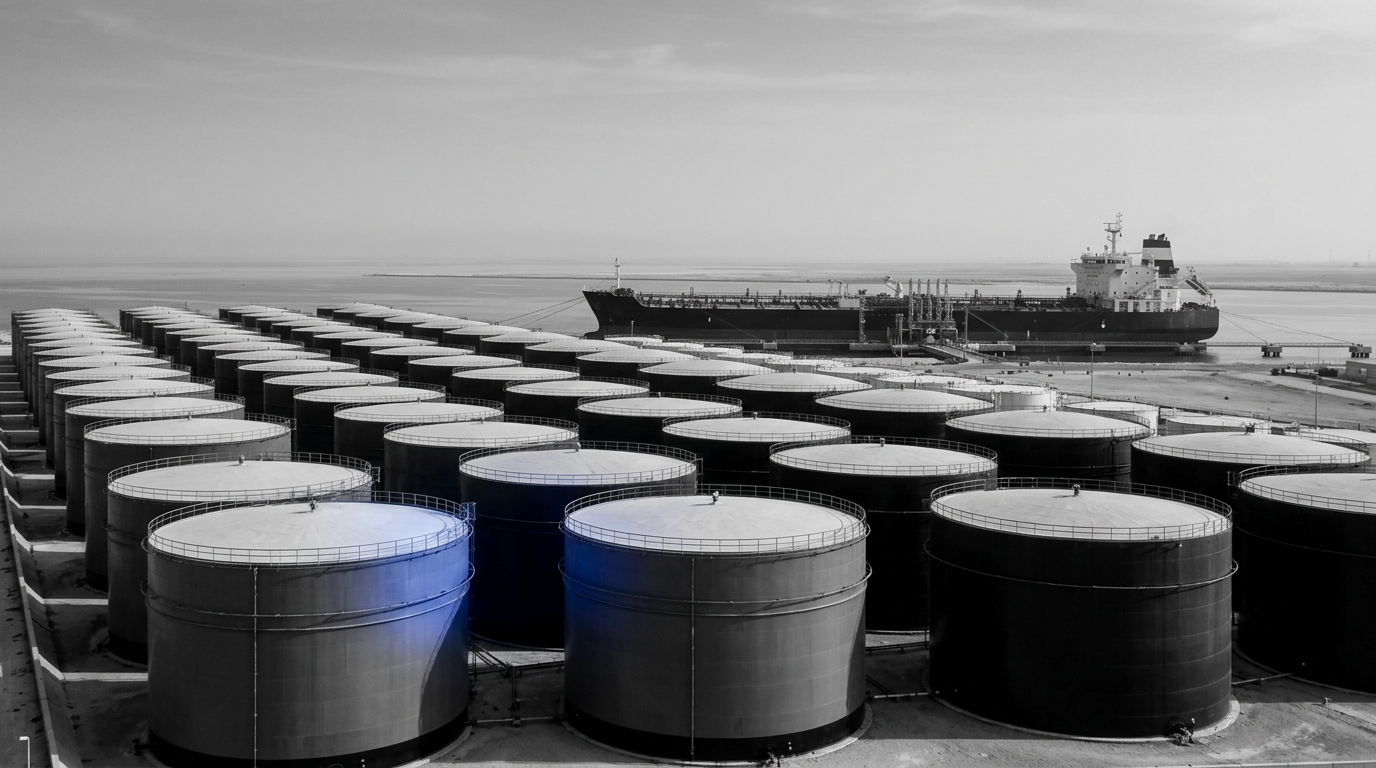
The United Arab Emirates (UAE) said it is leaving the Organization of the Petroleum Exporting Countries (OPEC), announcing its withdrawal on April 28, 2026. The move removes a major oil producer from the group and changes the internal balance of a cartel built around coordinated supply policy.
Officials framed the decision around a long-running clash over production limits. The UAE has argued that OPEC’s quota system constrained its ability to pursue national economic development objectives tied to expanding oil output capacity.
Quota disagreements and the UAE’s production strategy
According to the announcement, the UAE’s exit follows years of disagreement with OPEC over production quotas. The UAE has repeatedly sought room to raise capacity and output, positioning higher production as a way to maximize revenue while supporting broader economic diversification efforts.
That approach has often conflicted with OPEC’s core method of managing supply to support price stability. The UAE’s stated priorities and OPEC’s collective production ceilings ultimately diverged to a point where continued membership was no longer aligned with the country’s strategy.
Immediate market effect: supply ceilings no longer apply
The most direct consequence is that the UAE will no longer be bound by OPEC’s group-wide production caps. The source material points to the possibility of higher global supply if the UAE increases output outside the alliance framework.
In the short to medium term, the text says this could put downward pressure on crude oil prices. Such a shift would affect revenues for remaining OPEC members while potentially easing costs for oil-importing countries, depending on how supply and demand balance after the change.
OPEC influence and longer-term uncertainty
The UAE’s departure also reduces OPEC’s collective output capacity and, by extension, its ability to shape international oil market conditions through coordinated action. With one fewer major producer participating in quota decisions, the group’s leverage could be diminished.
Over a longer horizon, the source material describes a risk of a weakened OPEC, which could translate into greater volatility in oil markets. It also points to the possibility of shifts in global energy power balances, though the scale and timing of those changes remain uncertain and depend on how other producers respond.