Australia Considers 100% Windfall Tax on Gas Giants
Australia weighs a 100% gas windfall profits tax as a parliamentary inquiry reports May 7, ahead of the May 12 federal budget.
Atlas Newsdesk ·
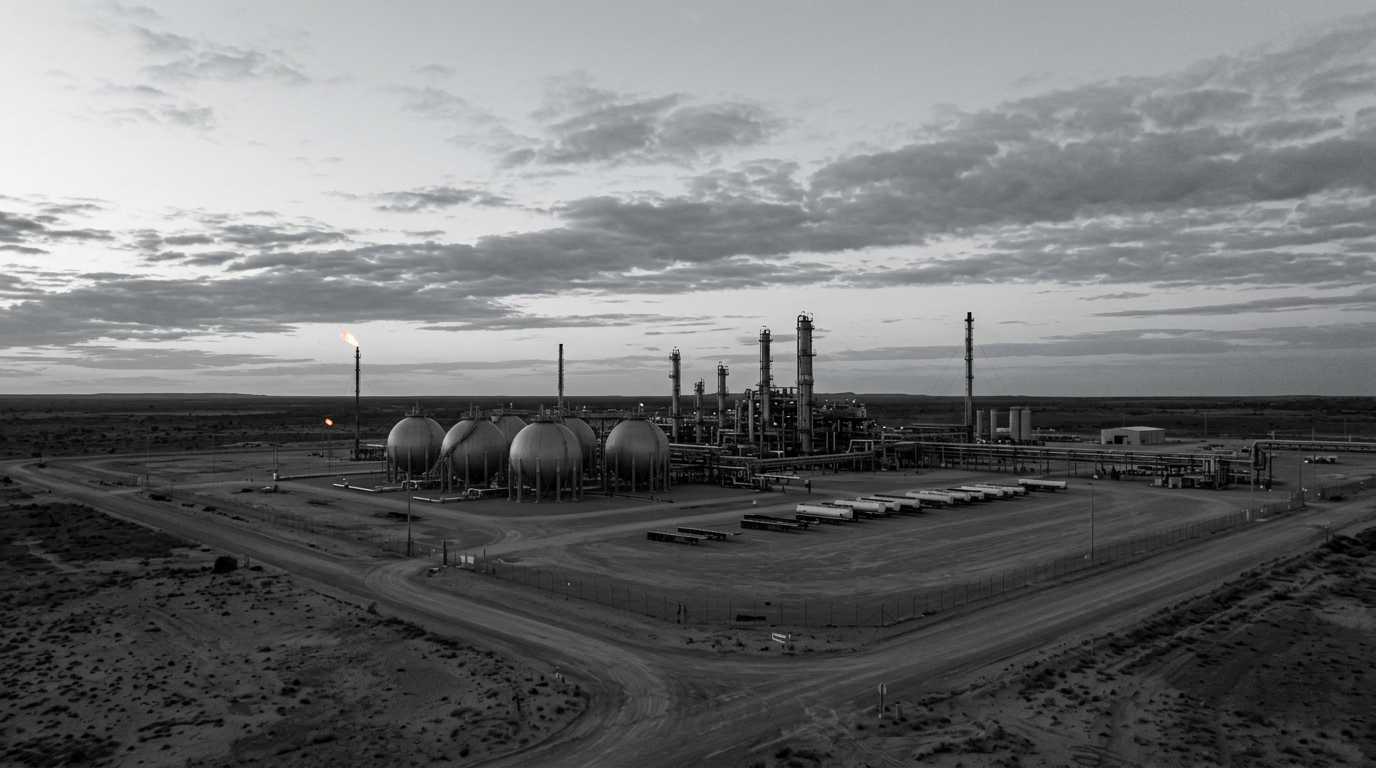
Australia is weighing a proposal for a 100% windfall profits tax on gas companies, a measure being examined through a parliamentary inquiry. Former Treasury secretary Ken Henry has backed the idea, arguing it would capture gains driven by outside forces rather than company decisions, including global price spikes that followed geopolitical events.
The inquiry is due to deliver its findings on May 7, ahead of the federal budget on May 12. The timing places the debate directly in the government’s fiscal planning window, as officials consider how to raise revenue while also managing energy policy pressures.
Henry, who authored the 2010 recommendation for a mining super profits tax, described a 100% windfall tax as “socially optimal.” He said such a levy would not discourage investment in new gas developments, contending that any project able to meet its cost of capital without the tax would still meet it with the tax in place.
He also outlined potential uses for any additional revenue, including establishing a sovereign wealth fund, supporting nature repair, and pursuing tax reforms. The proposal is framed as a way to redirect extraordinary gains linked to external market shocks into longer-term public priorities.
Gas industry leaders have pushed back, warning that further tax changes could weaken investment incentives and raise concerns about sovereign risk. Companies cited in the debate include Santos, Woodside, Chevron, and Shell, which have argued that policy uncertainty and higher fiscal burdens could affect decisions on future projects.
Industry-commissioned research from Australian Energy Producers has also been cited in the discussion, stating that a 25% export levy would make projects “uninvestable.” That claim is being used to argue that additional fiscal measures could reduce capital spending and, by extension, future supply.
The government has not ruled out changes, according to the account of the debate, and is under pressure to balance revenue objectives with maintaining energy supply. The issue is being discussed against the backdrop of global energy market dynamics, where international price movements and geopolitical events can quickly reshape domestic policy debates.