Lufthansa Strikes Lead to Hundreds of Flight Cancellations
Recent strikes at Lufthansa have caused hundreds of flight cancellations, significantly disrupting operations at Frankfurt and Munich airports as unions…
Cuneyd Erdogan ·
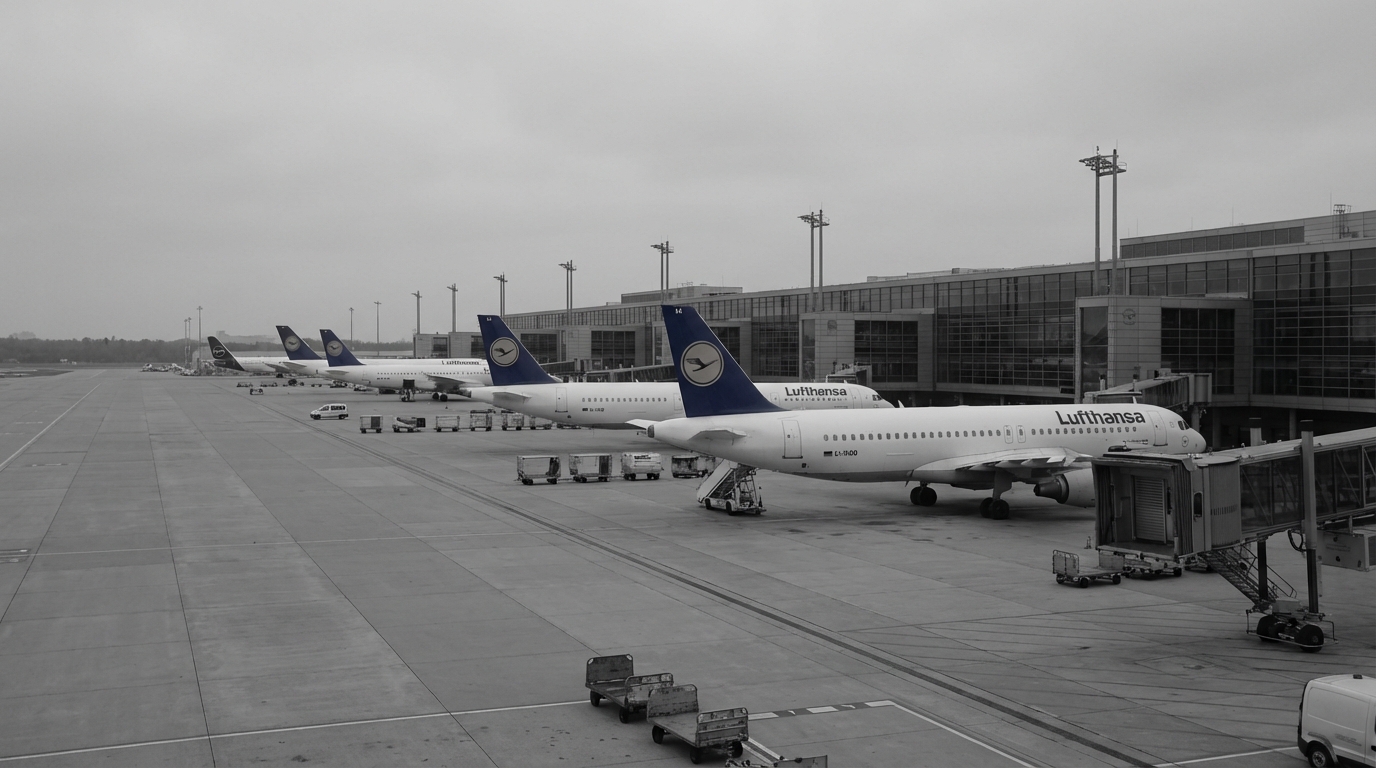
Coordinated industrial action by pilot and cabin crew unions has led to widespread flight cancellations across Lufthansa's European and international networks. The airline has grounded hundreds of flights, forcing tens of thousands of passengers to alter their travel plans. The disruption is most severe at Lufthansa's primary hubs, Frankfurt and Munich, where capacity reductions are causing cascading delays and cancellations for connecting flights.
The pilot union Vereinigung Cockpit initiated the strike, which was then joined by a 48-hour walkout by the UFO cabin crew union. This period of industrial unrest coincides with Lufthansa's 100th anniversary, intensifying scrutiny on the company's reputation and operational reliability.
Key Demands and Company Response
Unions are advocating for increased wages, improved pension benefits, and better working conditions. Union representatives state that management's failure to address these concerns made strike action unavoidable. Conversely, Lufthansa's leadership argues that the demands are financially unsustainable and would undermine the airline's competitive standing.
This situation highlights how labor disputes can rapidly escalate into systemic operational failures within European aviation. When major hubs like Frankfurt and Munich are affected at a network carrier such as Lufthansa, the impact extends beyond individual flights, disrupting connecting services, slot utilization, and aircraft/crew rotations. Increased cancellations also raise costs for passenger compensation and rebooking, while potentially reducing cargo capacity.
Broader Implications and Risks
Described as one of the longest-running labor disputes in recent years, the strikes indicate a deadlock not only over wages and benefits but also long-term financial commitments like working arrangements and pension obligations. Lufthansa's emphasis on cost sustainability directly relates to how wage demands impact company finances during periods of high inflation.
The coordinated union action strengthens their bargaining position but also amplifies the risk of operational paralysis. In the short term, the airline's priority will be managing affected passengers, securing alternative capacity, and gradually restoring operations at its main airports. In the medium term, if no agreement is reached on wages, pensions, and working conditions, Lufthansa's planning reliability and brand perception could suffer, affecting its competitive dynamics.
Potential Sectoral and Market Effects
National Impact: Disruptions at key German hubs like Frankfurt and Munich could affect business travel and tourism flows. A prolonged dispute might elevate collective bargaining and working conditions discussions on the political agenda.
Industry Impact: Strikes at network carriers can lead to market share shifts towards competitors due to slot usage and interconnected flight structures. If cost bases rise due to increased wage and pension obligations, ticket pricing and capacity planning decisions may need to be re-evaluated.
Market Impact: Cancellations and compensation burdens could immediately affect cash flow and profitability expectations. A decline in operational reliability might also introduce volatility in credit risk perception and stock performance.