Strait Closure Jolts Oil Markets Higher
Oil prices jumped on April 28, 2026 as the Strait of Hormuz stayed closed for a 60th day, lifting fuel costs and inflation risks.
Atlas Newsdesk ·
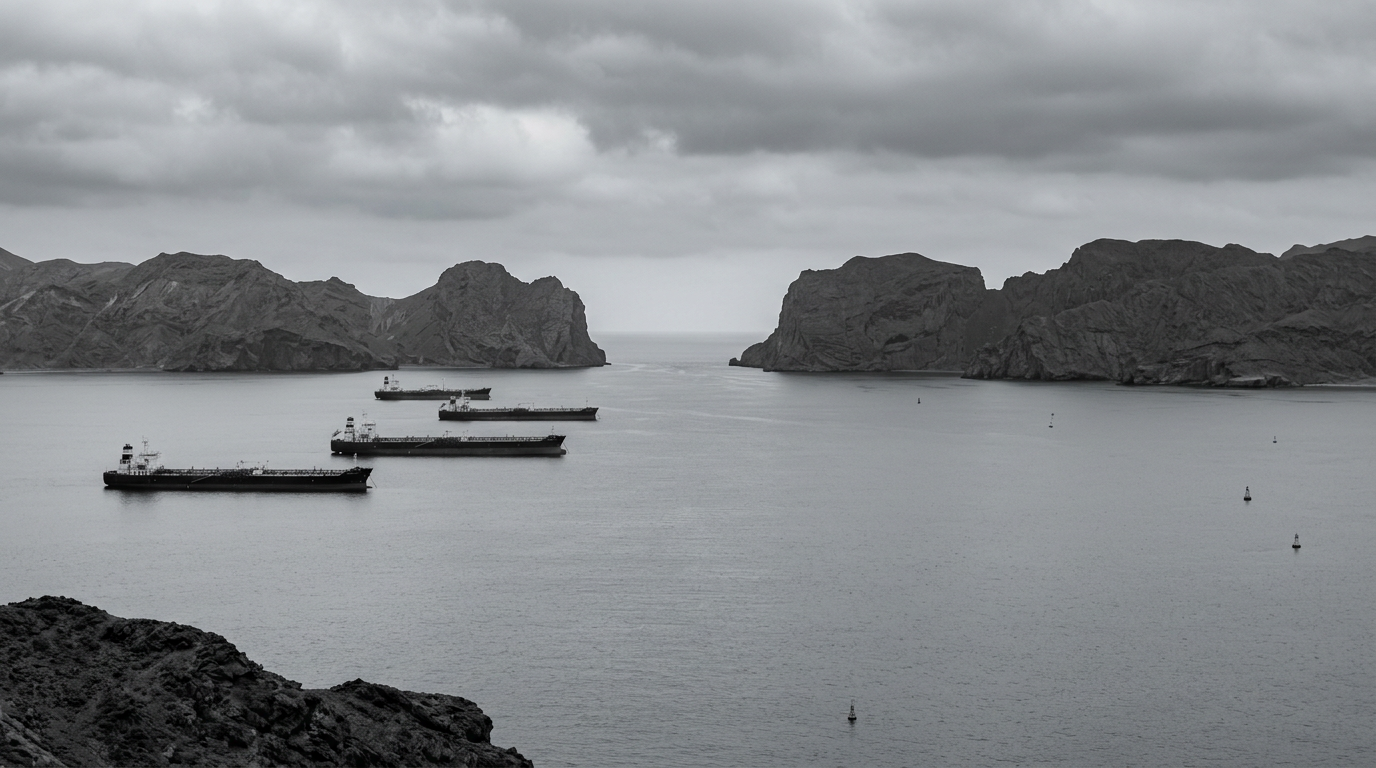
Global oil prices climbed on April 28, 2026 as the Strait of Hormuz remained closed for a 60th consecutive day, extending a disruption that has tightened energy markets and raised inflation concerns.
West Texas Intermediate (WTI) crude traded at $100.09 per barrel, up from $67.02 before the conflict. Brent crude was at $111.85, rising from $72.87 over the same period.
Hormuz closure enters its 60th day after Feb. 28 escalation
Officials said the closure began after Iran shut the Strait of Hormuz in retaliation for a U.S.-Israeli attack on February 28. The route is a key corridor for energy shipments from the Middle East.
According to the figures cited, the shutdown has disrupted about 20 percent of the world’s oil and gas exports from the Middle East, affecting international trade flows and adding pressure to prices.
Fuel costs rise in the US as inflation data reflects energy shock
In the United States, average gasoline prices rose to nearly $4.18 per gallon, the highest level in almost four years. That compares with $2.92 in late February, before the disruption took hold.
Data cited in the report showed the U.S. consumer price index increased 3.3 percent year over year, with higher energy costs identified as a key driver. Experts warned that elevated energy prices can spill into broader price pressures and keep core inflation higher globally.
Oxford Economics cuts growth forecasts as talks remain stalled
Oxford Economics lowered its global GDP growth forecast by 0.4 percentage points to 2.4 percent, citing prolonged shipping disruptions and weaker economic activity. It also reduced its U.S. GDP growth forecast to 1.9 percent from 2.8 percent.
Negotiations aimed at resolving the conflict were described as stalled, and no near-term reopening was anticipated in the information provided. That uncertainty has left markets focused on how long the shipping disruption will persist.
UAE to exit OPEC and OPEC+ as production plans face constraints
The United Arab Emirates announced it will withdraw from OPEC and OPEC+ effective May 1. The move was presented as a signal of its desire to increase oil production.
However, the same account noted that higher output would remain difficult to translate into additional exports while the Strait of Hormuz is closed. Experts said risks to inflation remain tilted to the upside as long as energy prices stay elevated.