Tijuana River Sewage: Airborne Toxins Threaten Border Communities
Tijuana River sewage is generating aerosolized pathogens that can travel two miles inland, researchers say, raising health risks in San Diego.
Ayla Demirhan ·
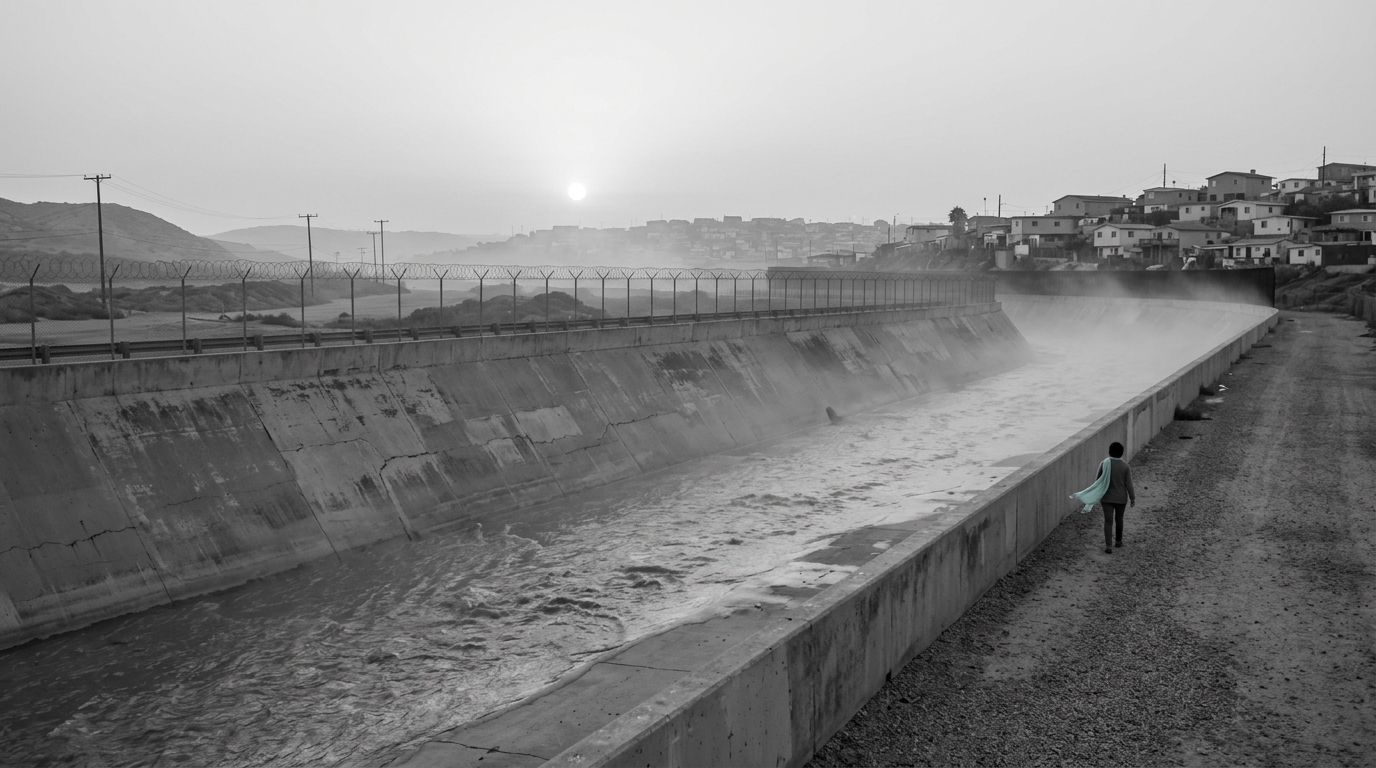
Scientists say untreated sewage carried by the Tijuana River into Southern California is not only contaminating coastal waters, but also creating airborne health hazards for nearby communities. Research by the Scripps Institution of Oceanography and the Environmental Protection Agency (EPA) found that microbes from sewage can become suspended in the air and move inland, raising concerns for residents in the San Diego area.
The research focused on what happens when sewage-tainted water reaches the ocean. Officials involved in the work said that as waves break, they can fragment contaminated water and release microscopic particles into the atmosphere. The study found that this process can aerosolize bacteria and viruses, allowing them to travel as far as two miles inland from the coast.
Scientists collected air samples over several months to assess what was present in the coastal air during periods affected by sewage discharge. The sampling identified multiple pathogens, including antibiotic-resistant bacteria, that researchers said can contribute to respiratory and gastrointestinal illnesses. The findings point to a pathway of exposure that extends beyond direct contact with polluted water, potentially affecting people who live, work, or spend time in coastal areas.
The affected geography described in the research includes coastal communities in San Diego County, with impacts particularly notable during times of significant sewage discharge. The study links heightened risk to episodes when the Tijuana River carries large volumes of untreated waste into the Pacific Ocean, a situation that officials said occurs frequently after heavy rains.
Researchers described the issue as persistent and cross-border in nature, reflecting how waterborne pollution can move across boundaries and create shared public health challenges.
Beyond local health concerns, the findings underscore operational and policy pressures for agencies responsible for environmental quality and public health. Ongoing monitoring is central to understanding when and where aerosolized contaminants are most likely to occur, while mitigation efforts are needed to reduce exposure in border communities.
The research also highlights uncertainty around how conditions such as wave action and discharge intensity may influence the concentration and reach of airborne microbes at different times.
Officials said the results add to the evidence that sewage flows in the Tijuana River can create hazards on land as well as in the water. The study’s conclusions reinforce the need for sustained cross-border attention to reduce untreated discharges and to protect residents in the San Diego region who may be affected by contaminated coastal air.