Hormuz Ceasefire Fails to Dent Oil Prices
Oil prices are expected to stay above pre-conflict levels after a two-week ceasefire and conditional Strait of Hormuz reopening.
Atlas Newsdesk ·
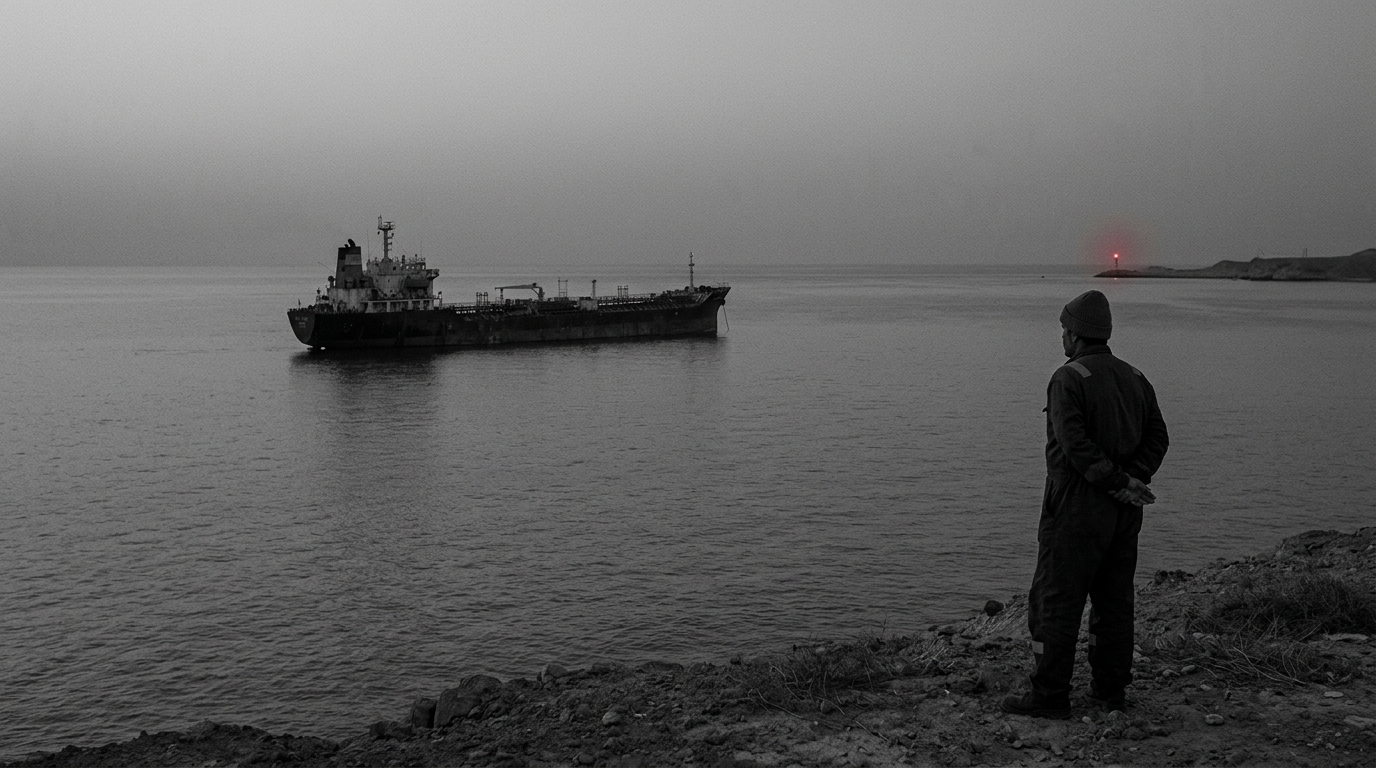
Oil and gas prices are expected to remain above pre-conflict levels even after a two-week ceasefire involving the United States, Israel, and Iran, according to the information provided. The truce led to a conditional reopening of the Strait of Hormuz, but market conditions described in the source indicate that the route has not yet returned to the predictable operating environment typically associated with lower pricing.
The Strait of Hormuz is described as a major global energy chokepoint, handling about 20 percent of global oil and gas exports . The source says maritime flows were heavily disrupted after Iran’s actions, which were taken in response to U.S.-Israeli attacks. That disruption pushed up energy costs and related byproducts, with the impact falling on consumers worldwide and weighing especially on developing nations.
Shipping activity figures in the source illustrate the scale of the interruption. Before the conflict, the strait generally recorded 120–140 vessel transits per day . At the height of the disruption, traffic dropped sharply to as few as five vessels on Wednesday and seven on Thursday , signaling severe constraints on maritime movement through the corridor.
Officials and experts cited in the source argue that a durable easing in prices depends on more than a ceasefire announcement. Rockford Weitz of The Fletcher School at Tufts University said that normal pricing requires a stable and predictable flow of cargo through the strait, and that this condition has not yet been achieved. The source also states that a higher risk premium for supplies originating from the Gulf region is expected to keep oil prices elevated.
Macroeconomic concerns were also flagged. IMF Managing Director Kristalina Georgieva said on Thursday that the IMF will downgrade its global economic growth forecast from 3.3 percent , citing the conflict’s effects. The source frames this as a reflection of how energy disruptions can transmit quickly into broader economic expectations.
Even with the ceasefire offering a possible route toward stabilization, the source points to operational constraints that could delay normalization. It cites extensive damage to energy infrastructure in Gulf countries and notes that restarting production takes time, particularly for liquefied natural gas (LNG).
Based on these factors, the source says a return toward pre-conflict pricing could take months, and the timeline remains uncertain because it depends on sustained, reliable transit and the pace of infrastructure recovery.