Undercover Police Spied on De Menezes Family Campaign
Undercover police spied on the family of Jean Charles de Menezes after his 2005 fatal shooting, revealed at the Undercover Policing Inquiry.
Cuneyd Erdogan ·
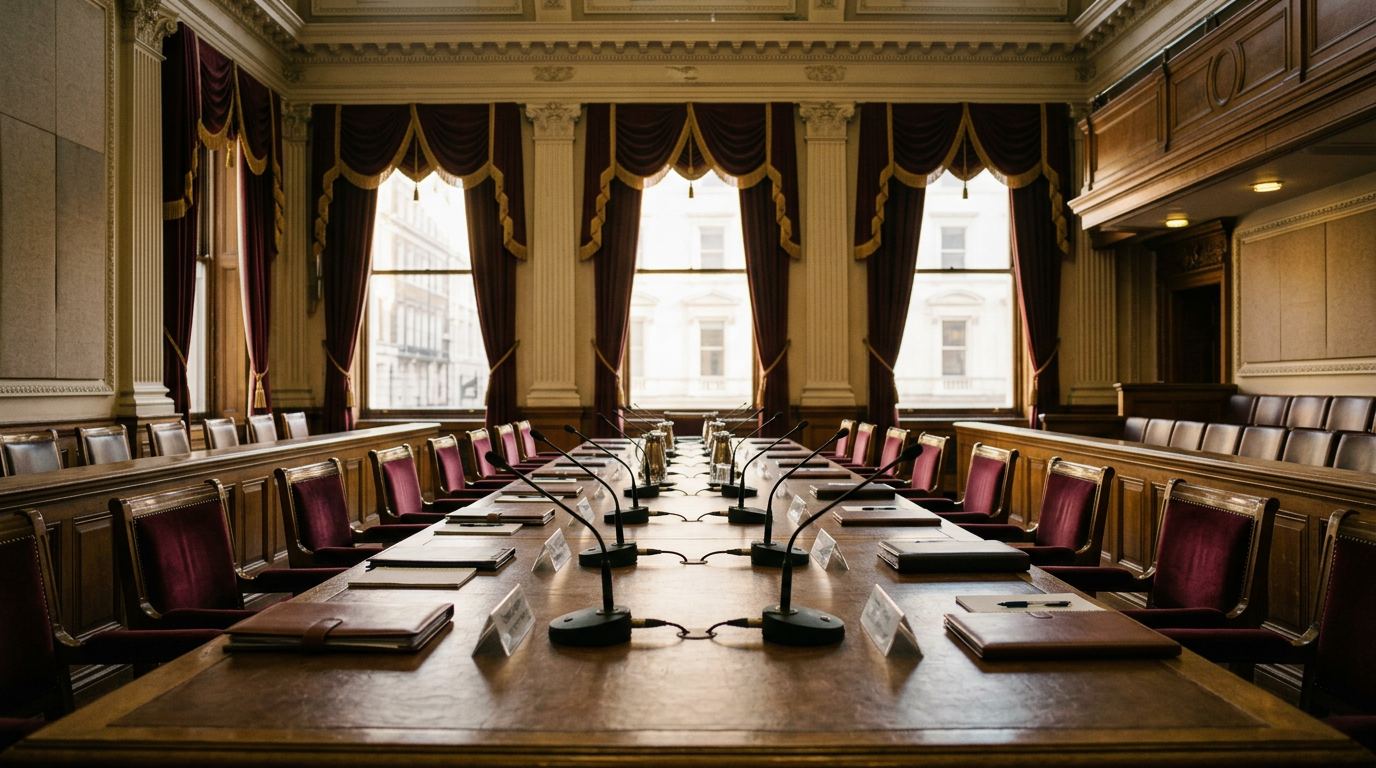
Undercover police officers conducted surveillance on the family of Jean Charles de Menezes following his fatal shooting by Metropolitan Police in 2005. This information emerged during the ongoing Undercover Policing Inquiry, which is examining the activities of covert police units. The surveillance occurred while the family pursued a campaign for accountability and truth regarding de Menezes' death.
Surveillance Details Emerge
Four undercover officers were reportedly involved in monitoring the justice campaign organized by de Menezes' relatives. The inquiry, often referred to as the 'spycops' inquiry, has been investigating the deployment and conduct of undercover police officers over several decades.
Background of the De Menezes Shooting
Jean Charles de Menezes, a Brazilian electrician, was shot and killed by Metropolitan Police officers at Stockwell tube station in London on July 22, 2005. This incident occurred a day after failed bomb attacks on London's transport network and two weeks after the deadly 7/7 bombings. Police mistakenly identified de Menezes as a suspect in the attempted attacks.
Family's Pursuit of Justice
The de Menezes family consistently sought answers and accountability from the Metropolitan Police regarding the circumstances of his death. Their campaign aimed to clarify why de Menezes was misidentified as a suicide bomber and why lethal force was used, including seven shots to the head. The family's efforts have been a prominent part of public discourse on police conduct and accountability in the UK.
Undercover Policing Inquiry Context
The Undercover Policing Inquiry was established in 2015 to investigate the activities of two police units: the Special Demonstration Squad (SDS) and the National Public Order Intelligence Unit (NPOIU). These units operated covertly, often infiltrating protest groups and political organizations. The inquiry's scope includes examining the legality and ethics of such operations, as well as their impact on individuals and democratic processes.
Implications for Public Trust
The revelation of surveillance on the de Menezes family raises significant questions about police oversight and the relationship between law enforcement and the public, particularly in cases involving controversial deaths. Such actions can erode public confidence in police impartiality and accountability mechanisms. The inquiry continues to hear evidence, with further details expected regarding the extent and justification of undercover operations.
Implications
Country Impact: The revelations could further strain public trust in UK policing, particularly concerning accountability and oversight mechanisms. It may prompt renewed calls for reforms in police surveillance practices.
Industry Impact: The legal and human rights sectors may see increased activity, with potential for new legal challenges or policy recommendations regarding police conduct and the rights of victims' families. Media scrutiny on police operations is also likely to intensify.
Market Impact: While direct market impact is limited, sustained public distrust in state institutions can indirectly affect investor confidence in the stability and governance of a nation, particularly in the context of broader political risk assessments.