UK Food Supply Resilience Lacks Adequate Planning
A watchdog reports the UK's food supply chain is vulnerable, citing insufficient government planning, private sector disengagement, and concentrated import…
Lauren Collins ·
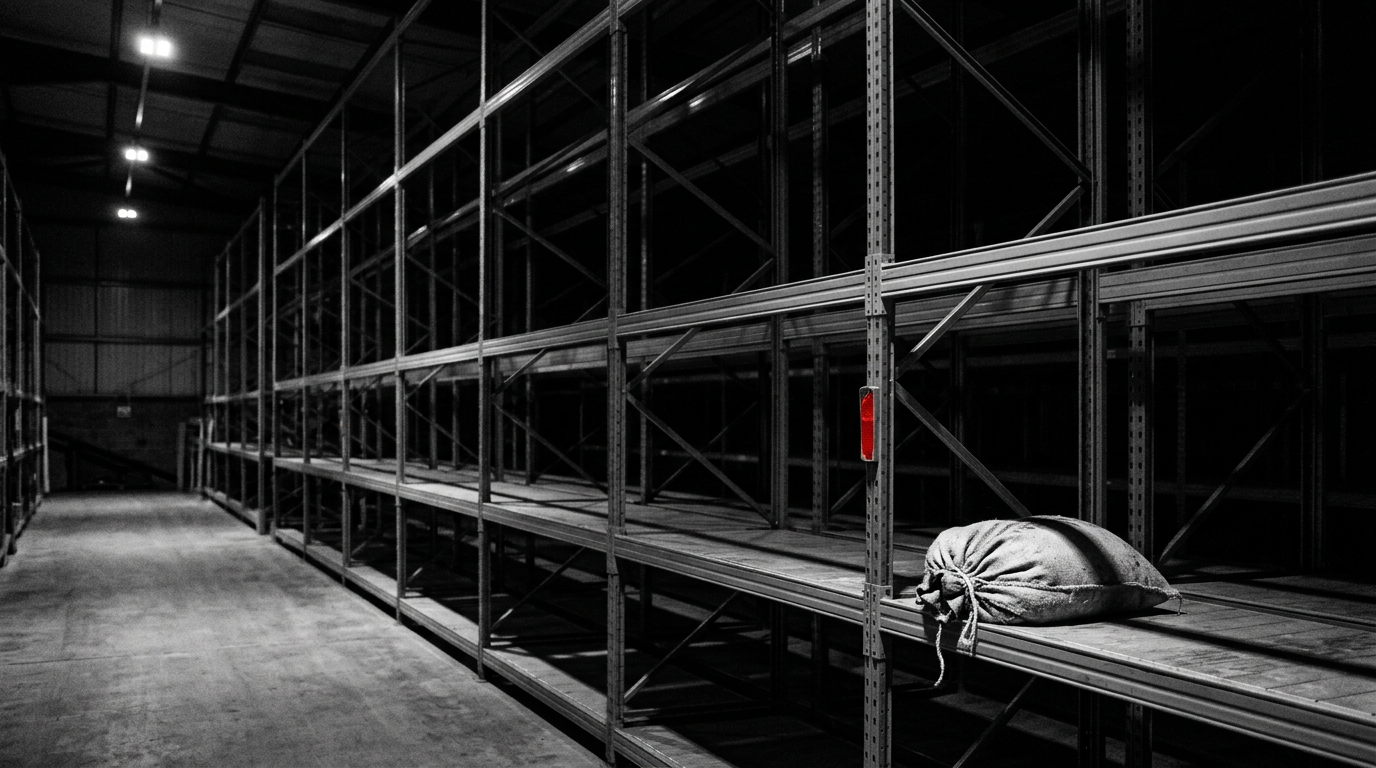
The United Kingdom's food supply chain is ill-prepared for systemic disruptions, a recent report from a public spending watchdog has indicated. Significant deficiencies in government emergency planning leave the nation exposed to potential interruptions, according to findings by Audit Office (NAO). The Department for Environment, Food and Rural Affairs (Defra) has not adequately involved private sector entities or local authorities in its contingency strategies, weakening the country's capacity to manage widespread food supply failures.
This absence of comprehensive integration undermines overall national readiness. The NAO's assessment highlights critical vulnerabilities that could impact food security across the UK, particularly concerning its reliance on a limited number of entry points for essential imports.
Concentrated Import Vulnerabilities
A substantial portion of the UK's food imports, over one-third, passes through a small number of ports, creating a concentrated point of failure. Four primary maritime gateways—Dover, Felixstowe, Southampton, and London Gateway—handle the majority of these goods. This concentration makes the supply chain highly susceptible to risks stemming from climate-related events, cyberattacks, or outbreaks of disease.
Despite food being officially recognized as critical national infrastructure, current contingency blueprints suffer from insufficient testing and a lack of coordination with key logistics providers. The last nationwide exercise to assess Defra's preparedness for catastrophic food supply disruptions, conducted in 2023, notably excluded most businesses within the supply chain, as detailed by the NAO.
Declining Engagement and Industry Concerns
Representatives from the food industry have observed a noticeable decrease in governmental engagement since the COVID-19 pandemic. Businesses report that existing response strategies often lack practical input from the private sector, potentially leading to unworkable solutions during a crisis. There is increasing advocacy for expanding critical infrastructure protections to include vital cold storage facilities and transport hubs.
Industry groups emphasize that guaranteeing power supplies to these sites is essential for maintaining operational continuity, especially during extensive outages. These groups have voiced concerns about what they perceive as current government "complacency" regarding national food storage capabilities.
Framework Gaps and Future Requirements
Defra currently lacks a robust and comprehensive framework for effectively managing supply chain disruptions. This deficiency places the UK in a less prepared position for catastrophic events when compared to several European nations, which possess more developed resilience strategies. Enhancing the UK's food supply chain resilience will necessitate more frequent stress testing of contingency plans.
Additionally, clearer directives are required for local resilience forums, which have indicated a lack of clarity from Defra concerning their specific roles during disruptions. If Defra improves collaboration with the private sector and local authorities, the UK could significantly bolster its ability to withstand future shocks, potentially averting widespread shortages. Conversely, a continuation of current engagement levels and narrowly defined critical infrastructure designations would expose the nation to elevated risks to food security, particularly given the increasing frequency of global disruptions.