Uber Launches AI Robotaxi Service in London with Safety Drivers
Uber has commenced its first autonomous minicab service in London, utilizing Ford Mustang EVs with Wayve AI and mandatory safety drivers.
Atlas Newsdesk ·
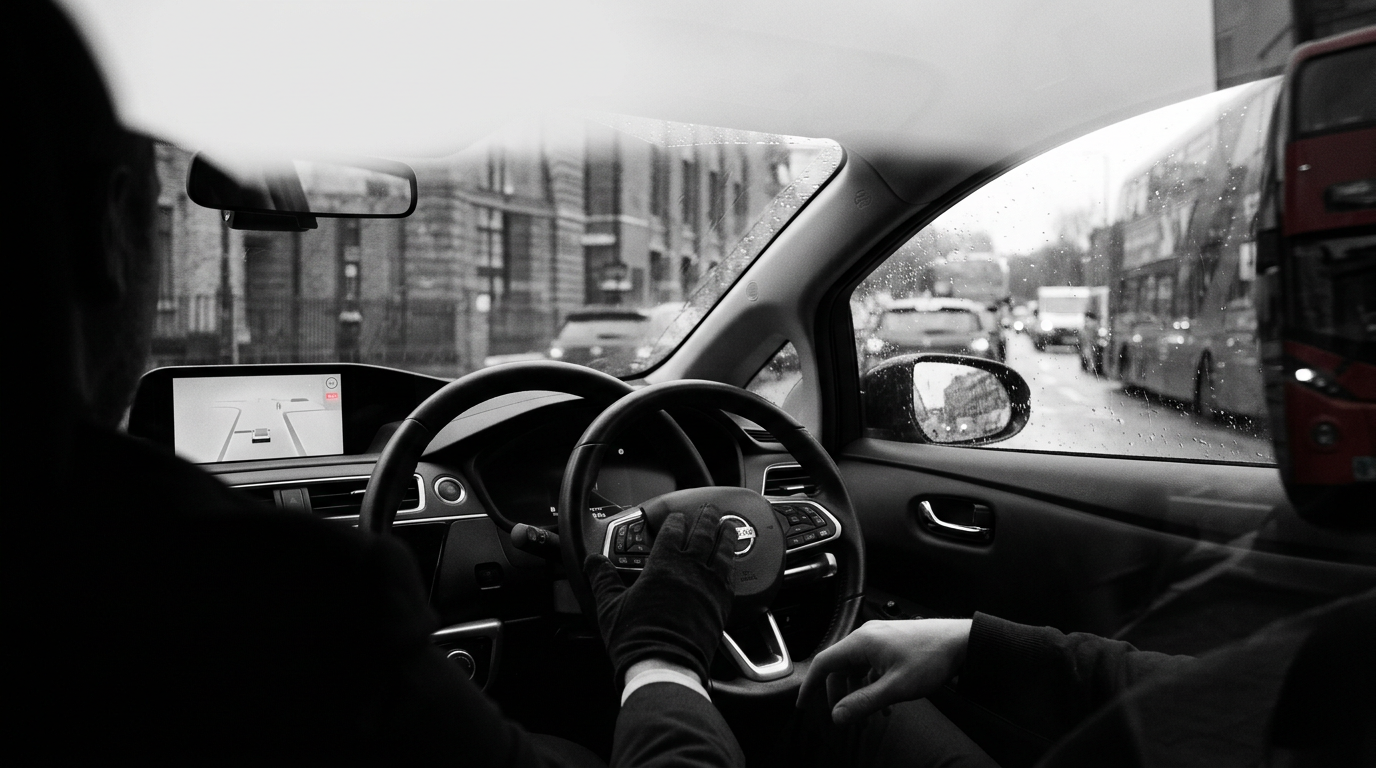
Uber has introduced its initial autonomous minicab service in London this week, deploying a fleet of 15 Ford Mustang electric vehicles equipped with Wayve artificial intelligence technology. This marks the United Kingdom's first such operation, allowing passengers to book these robotaxis directly via the standard Uber application. The pricing structure for these rides aligns with existing UberX or Uber Comfort fare categories.
Each autonomous vehicle currently includes a human safety driver positioned behind the wheel. This driver is prepared to intervene during complex traffic scenarios, ensuring operational safety. The AI system manages real-time navigation and processes environmental data through roof-mounted sensors. Testing protocols have emphasized that human oversight remains critical for addressing unpredictable road hazards, such as sudden vehicle door openings or intricate urban maneuvers requiring nuanced judgment.
Introducing Autonomous Technology
This deployment signifies a notable advancement in integrating autonomous technology within public transport infrastructure. The initial phase emphasizes supervised operation to gather real-world data under controlled conditions. The introduction of this service follows significant user interest, with internal company data indicating that over 100,000 London-based users had previously expressed a desire for autonomous ride-hailing options.
Such demand highlights a growing public curiosity and willingness to adopt new transportation technologies. The phased rollout strategy, beginning with safety drivers, aims to build public confidence while collecting essential operational information. This approach serves as a crucial bridge between current ride-hailing models and future fully autonomous solutions, facilitating iterative development and regulatory refinement.
Regulatory Landscape and Future Projections
The regulatory environment for autonomous vehicles in the UK is characterized by a cautious stance. Both the Department for Transport and Transport for London prioritize establishing robust safety frameworks before widespread expansion of driverless services. This emphasis reflects a broader commitment to public safety and addressing potential operational complexities ahead of permitting full autonomy on public roads.
Initial industry forecasts suggested fully driverless operations might be achievable as early as 2026. However, current official statements now project a revised timeline, indicating that a more comprehensive regulatory integration allowing for broader deployment without safety drivers could occur around 2027. This adjustment underscores the meticulous and iterative process required to validate autonomous vehicle technology for public use.
The transition to fully autonomous services depends on rigorous safety testing and ongoing consultations. These discussions extend beyond technical performance, also considering potential socioeconomic implications for the existing human driver workforce. The introduction of such technology necessitates careful consideration of its impact on employment and the development of strategies to manage these changes effectively.