Tupac Shakur’s Family Files Wrongful Death Suit Against Keefe D
Tupac's stepbrother sues Keefe D for wrongful death, expanding the legal battle beyond the murder trial with new conspiracy claims about the 1996 killing.
Ayla Demirhan ·
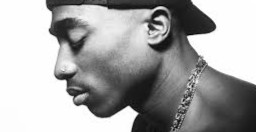
Tupac Shakur’s stepbrother has filed a wrongful death lawsuit against Duane “Keefe D” Davis, adding a civil front to a case that has remained unresolved for nearly three decades. The complaint also lists dozens of unnamed co-conspirators, signaling an effort to expand accountability beyond the individual already facing criminal charges. The filing comes months before Davis is scheduled to stand trial for first-degree murder. It marks one of the most significant legal developments in the long-running effort to address the rapper’s killing.
August trial date shapes timing Davis was charged in 2023 in connection with Shakur’s death and has pleaded not guilty. Prosecutors allege he was among four people inside the vehicle involved in the drive-by shooting in Las Vegas in September 1996. Authorities say the attack followed a physical altercation involving Shakur at a casino earlier that night. The criminal trial is set to begin in August, placing the civil lawsuit on a parallel track that could influence public narratives around the case.
1996 Las Vegas shooting revisited Shakur was shot while riding in a car near the Las Vegas Strip and died days later from his injuries. The case remained unsolved for decades, becoming one of the most closely watched investigations in music history. Davis, a former gang figure, has previously acknowledged being in the vehicle during the shooting, though he now contests the charges against him. His past statements have been central to renewed law enforcement interest in the case.
Family seeks broader accountability The wrongful death suit argues that Davis was part of a wider network involved in planning and carrying out the attack. By naming unnamed defendants, the filing leaves room for additional parties to be identified through the legal process. Civil cases carry a lower burden of proof than criminal trials, which may allow the family to pursue claims that are harder to establish in court under criminal standards. The move reflects a strategy often used when criminal proceedings are ongoing or uncertain.
Allegations reference $1 million claim The lawsuit cites statements from a Netflix documentary that suggest Sean “Diddy” Combs once offered Davis $1 million to carry out the killing. Combs has denied any involvement and is not named as a defendant in the lawsuit. The inclusion of the allegation underscores how media narratives and past interviews are shaping the legal arguments now being tested in court. It also introduces reputational stakes for individuals not formally charged.
Hip-hop legacy meets legal scrutiny Shakur’s cultural influence continues to amplify attention on the case. He was a six-time Grammy nominee and released five albums that reached No. 1, including three issued after his death. His career, cut short at age 25, remains central to discussions of hip-hop’s evolution and its intersection with violence and celebrity. The renewed legal focus highlights how unresolved cases involving high-profile figures can resurface decades later with new evidence or testimony.
Uncertainty as parallel cases unfold Key questions remain unresolved as both legal tracks move forward. It is unclear how the civil case might interact with the criminal trial or whether additional defendants will be formally identified. Davis’s prior statements could face scrutiny under cross-examination, while the conspiracy claims may prove difficult to substantiate. The August trial is likely to shape the trajectory of both proceedings and determine whether long-standing allegations translate into legal accountability.