Tunisia Faces Power, Water Crisis Amid Intense Heatwave
Tunisia is experiencing severe electricity cuts and water shortages due to an extreme heatwave, straining critical infrastructure and public health services.
Lauren Collins ·
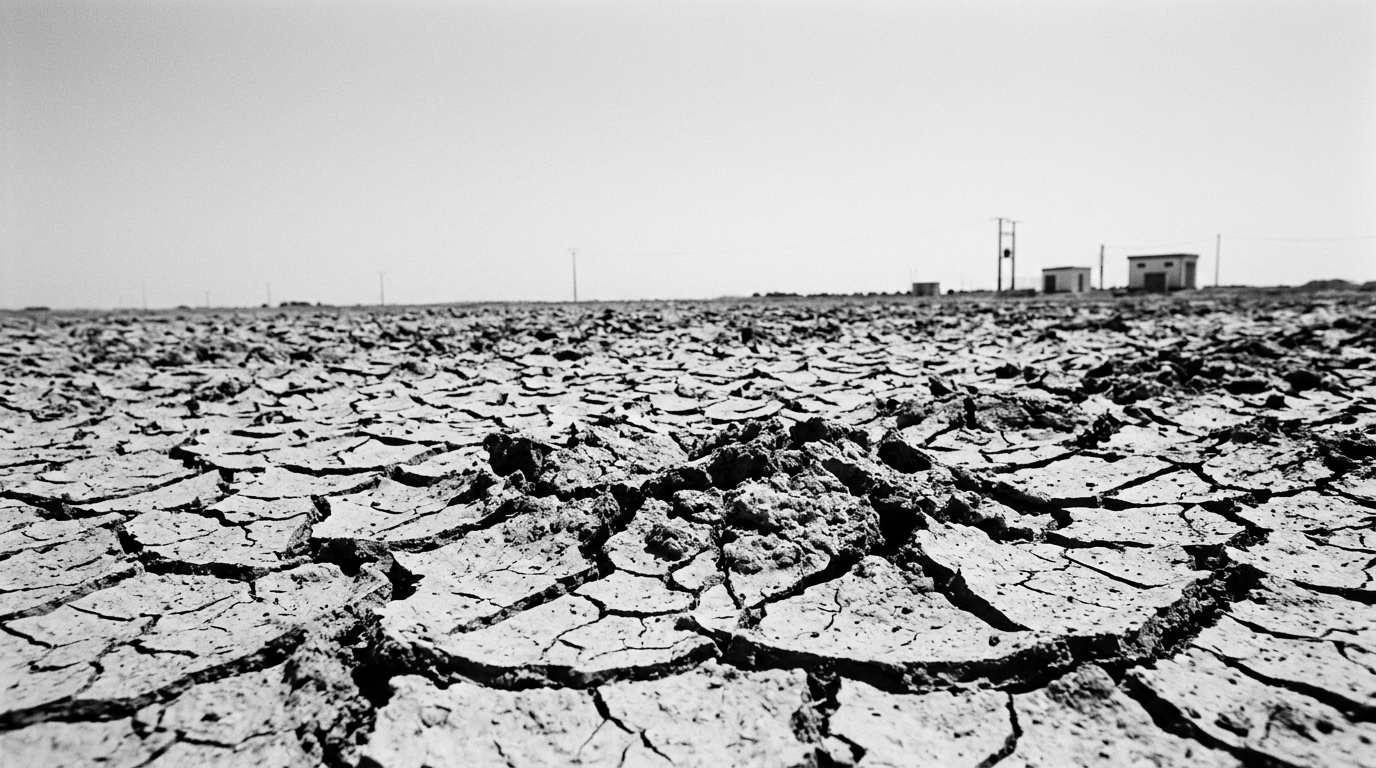
Tunisia is currently grappling with widespread power outages and water supply disruptions, consequences of an intense heatwave that has driven temperatures to record highs. This surge in heat has placed immense pressure on the nation's infrastructure, leading to significant challenges for public health and essential services.
On August 27, temperatures in Kairouan reached 49.8 degrees Celsius, coinciding with an unprecedented electricity demand of 6,000 megawatts. This record load prompted the Tunisian Company of Electricity and Gas (STEG) to initiate rotational electricity cuts across various regions, a measure intended to maintain grid stability. These power interruptions have, in turn, severely impacted water distribution, as numerous pumping stations depend on a consistent electrical supply to function.
Infrastructure Under Pressure
The interdependence of these vital services became evident on August 24, when a power failure at the Kerker station led to a complete cessation of water provision for the Mahdia and Sfax governorates. This event highlights how quickly electricity issues can trigger broader utility crises, especially in a country already managing structural water scarcity.
The dual challenge of extreme heat and utility failures has placed considerable strain on emergency medical services. The Tunisian Organization of Young Doctors has reported an increase in hospital admissions and fatalities directly linked to heat exposure, urging for a national health emergency declaration. Despite these concerns, the Ministry of Health recorded 633 heat-related medical cases between July 1 and August 29, affirming that hospital operations largely remain functional.
Compounding Supply Chain Issues
Further complicating the situation, the production of bottled water is being hampered by supply chain disruptions. Power rationing, alongside a scarcity of raw plastic materials, has severely limited manufacturing capacities for bottled water. This creates an additional obstacle for residents seeking alternatives to municipal water, particularly during these periods of intense heat.
Tunisia's capacity to adapt its existing infrastructure to extended periods of extreme weather remains a crucial question. The future resilience of essential services, including power and water, will largely hinge on long-term infrastructure investments. The ongoing interaction between climate-driven demand and inherent resource limitations is expected to continue influencing the country's public health and broader economic outlook.
Historical Context of Resource Strain
Historically, Tunisia has faced significant challenges in water management, with droughts frequently exacerbating natural scarcity. The nation's reliance on rainfall for agriculture and domestic use renders it particularly susceptible to the effects of climate change. Similarly, energy demand has shown a steady upward trend over the past decade, fueled by population growth, industrial expansion, and increased reliance on air conditioning during warmer months. The recent record demand underscores an accelerating trend that necessitates urgent attention to grid modernization and the diversification of energy sources.