Uzbekistan Deploys Chinese J-10CE Jets in Air Force Shift
Uzbekistan has officially deployed Chinese J-10CE fighter jets, marking a significant shift in its defense procurement strategy away from Russian hardware.
Atlas Newsdesk ·
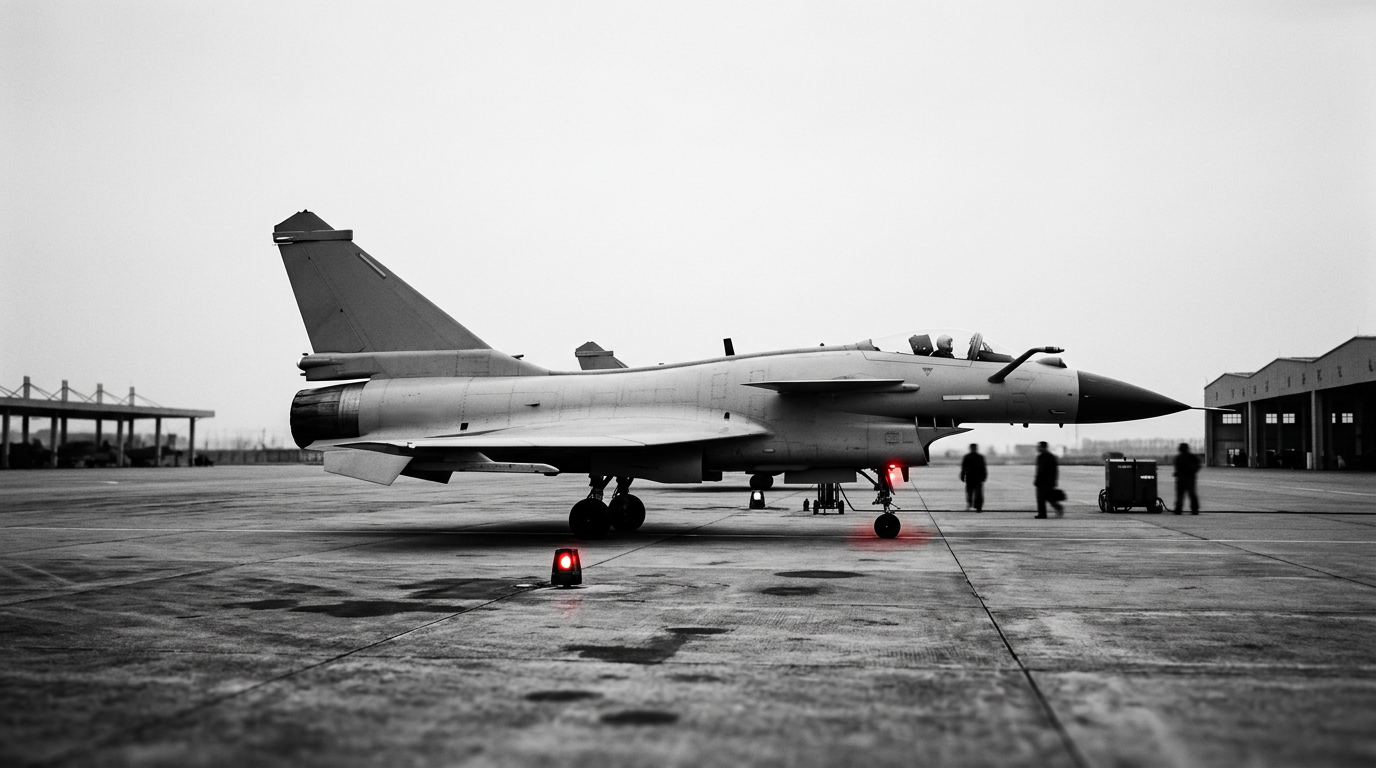
Uzbekistan's air force has officially incorporated Chinese-made J-10CE fighter aircraft into its operational fleet. Evidence of this deployment emerged during national independence day festivities, where state-released footage prominently featured the 4.5-generation jets. This acquisition represents a notable strategic departure in Central Asian defense procurement practices, moving away from a longstanding reliance on Russian military equipment.
The introduction of these advanced platforms into Uzbekistan's air capabilities indicates a deliberate diversification of its regional security alliances. While specific contract details regarding the procurement have not been publicly disclosed by either nation, earlier reports suggested a potential order for approximately 24 units of the fighter aircraft.
Diversifying Defense Capabilities
This development positions Uzbekistan as the second international operator of the J-10CE, following Pakistan, which also operates a squadron of these jets. Such operational deployment by another foreign state is expected to bolster the international market standing and appeal of Chinese aerospace exports. The move also aligns with Beijing's broader strategic objectives to enhance its defense influence and partnerships across the Central Asian region.
For Uzbekistan, acquiring the J-10CEs offers an opportunity to modernize its air force with contemporary multirole fighters. Historically, the nation's military inventory has been heavily dominated by Soviet and Russian-origin aircraft, including MiG-29s and Su-27s. The integration of the J-10CE provides enhanced capabilities in air superiority and ground attack roles, leveraging advanced avionics and weaponry.
Regional Geopolitical Shifts
The decision to procure Chinese fighter jets carries significant implications for regional military interoperability and could reshape the long-term influence of traditional arms suppliers in Central Asia. It reflects a growing trend among some former Soviet states to seek alternative defense partners beyond Moscow, driven by factors such as technology access, pricing, and geopolitical considerations.
The J-10CE, an export variant of China's Chengdu J-10, is designed as an all-weather, multirole combat aircraft. Its features include an active electronically scanned array (AESA) radar, advanced electronic warfare systems, and compatibility with a range of precision-guided munitions. This modern technological package is a key factor in its appeal to countries looking to upgrade their air defense capabilities without exclusively relying on Western or Russian suppliers.
This strategic shift by Uzbekistan may encourage other Central Asian nations to explore similar diversification in their defense acquisitions. The region's geopolitical landscape is increasingly complex, with major powers like Russia, China, and the United States vying for influence. Uzbekistan's move underscores its sovereign decision-making in security matters and its intent to maintain a balanced foreign policy approach.