Hormuz Blockade Threatens $1.2B Daily Oil Trade
Iran continues its blockade of the Strait of Hormuz, calling for Gulf unity, as diplomatic efforts seek a temporary shipping route amid economic pressures.
Atlas Newsdesk ·
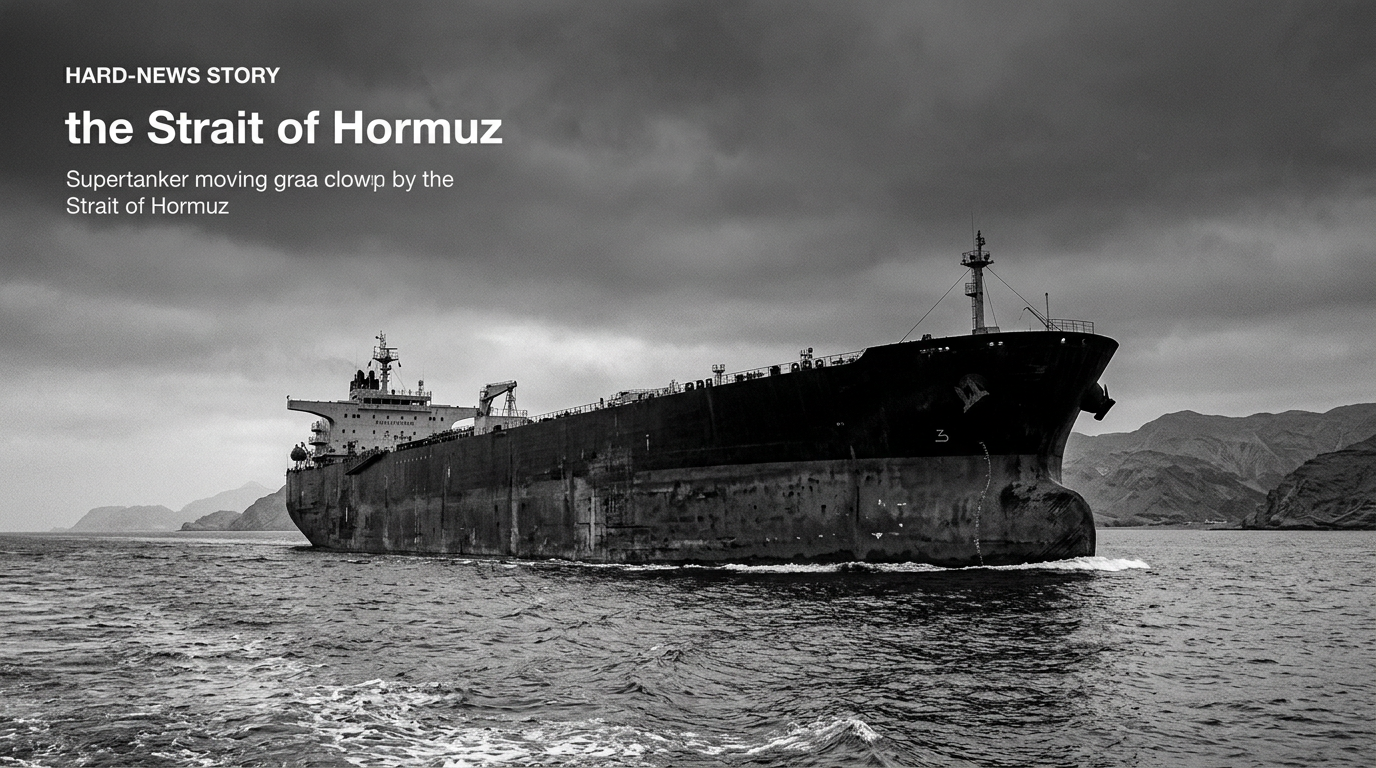
Iran is maintaining its blockade of the Strait of Hormuz, a critical maritime passage, following a call by Supreme Leader Ayatollah Mojtaba Khamenei for Gulf nations to unite against a common adversary. This development occurs amid ongoing regional instability, stemming from a conflict between Iran and a U.S.-Israeli coalition that commenced in February 2026.
The strategic waterway, which historically accounted for 20 percent of global oil and liquefied natural gas shipments, is largely closed to conventional commercial traffic. According to Deputy Foreign Minister Kazem Gharibabadi, any potential reopening of a maritime corridor is contingent upon the United States honoring commitments outlined in a lapsed June memorandum of understanding.
Disruption to Maritime Traffic
Current transit data from Kpler indicates a significant reduction in daily vessel crossings, with only seven recorded, a sharp decrease from the 10-day average of 15. This disruption has left approximately 400 vessels unable to exit the Gulf safely, as reported by the International Maritime Organization. The sustained closure underscores significant risks to global energy supply chains and international trade routes.
Diplomatic efforts are actively underway, spearheaded by Qatar and Oman, to establish a temporary shipping route and facilitate mine clearance operations in the strait. These initiatives aim to alleviate the immediate pressures caused by the blockade and restore some level of maritime activity. However, these diplomatic endeavors face considerable challenges.
Economic Pressures on Iran
Iran itself is grappling with severe economic difficulties, which complicate the regional situation and diplomatic negotiations. The country is experiencing a 66 percent annual inflation rate, coupled with a 35 percent decline in trade volume. These economic pressures are largely attributed to intensified U.S. sanctions, which have significantly impacted Iran's ability to conduct international commerce.
The call for Gulf unity by Supreme Leader Khamenei suggests a broader geopolitical strategy, aiming to consolidate regional support while facing external pressures. The prolonged closure of the Strait of Hormuz not only affects global energy markets but also highlights the escalating tensions in the Middle East, demanding complex diplomatic resolutions.
Regional and Global Implications
The blockade’s continuation has wide-ranging implications for global trade and stability. Energy importers are particularly vulnerable to supply disruptions and price volatility. The reliance on the Strait of Hormuz for a substantial portion of global energy transfers means that its effective closure necessitates alternative shipping strategies or a significant reevaluation of energy supply security by international stakeholders.
As diplomatic channels remain active, the outcome of the Qatari and Omani initiatives, alongside any potential movements from the United States regarding the memorandum of understanding, will be closely watched. The intersection of geopolitical tensions, economic sanctions, and the imperative for secure international trade routes defines the complex landscape surrounding the Strait of Hormuz.