Trump Urges Iran to Capitulate Amidst Rising Tensions
President Trump called on Iran to surrender, stating the US seeks no war but will maintain military pressure. This comes as Strait of Hormuz tensions persist.
Cuneyd Erdogan ·
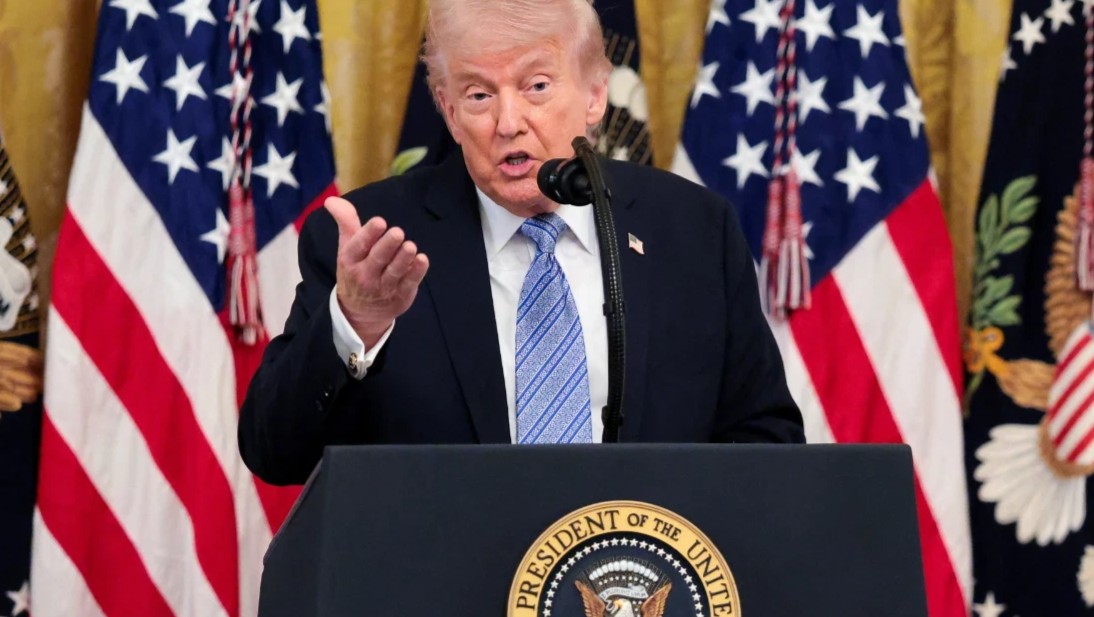
US President Calls for Iranian Surrender
During a White House address, President Donald Trump issued a strong statement regarding Iran. He asserted that Iran should "wave the white flag and surrender," characterizing its current military posture as weak.
Trump also claimed that the naval blockade imposed by the United States has been effective. He suggested that Iran desires a resolution but has not openly expressed this intention.
No Desire for Direct Conflict
Despite his firm rhetoric, President Trump emphasized that the United States is not seeking direct military confrontation. Officials indicate that Washington's primary goal is to compel Iran into a new agreement through sustained pressure.
The President's remarks also conveyed a message that military operations would not be expanded unless absolutely necessary. This aims to balance pressure with an avoidance of full-scale war.
Strait of Hormuz Remains a Flashpoint
These statements coincide with escalating tensions in the Strait of Hormuz. Reports suggest the US is conducting "Project Freedom" operations to safeguard commercial shipping, while Iran has reportedly responded with occasional attacks.
Hundreds of vessels are reportedly delayed in the region, disrupting global trade. This highlights the fragility of maritime security in this critical waterway.
Fragile Ceasefire Amidst Provocations
Although a ceasefire was previously established between the two nations, on-the-ground tensions continue. US officials describe Iranian actions as "limited provocations," while Tehran accuses the US of violating the agreement.
Experts warn that the current situation does not eliminate the risk of a renewed, full-scale conflict. The delicate balance could easily be disrupted by further incidents.
Dual Approach: Diplomacy and Pressure
The Trump administration is simultaneously pursuing military pressure and diplomatic engagement. Iran's proposals have reportedly been deemed insufficient, with significant disagreements persisting on issues such as nuclear programs and regional power dynamics.
Global Economic Repercussions
Developments in the Strait of Hormuz directly impact global energy markets and international commerce. Analysts caution that any escalation in the region could drive up oil prices and cause further disruptions to global trade.
President Trump's recent comments suggest that the US-Iran standoff is unlikely to de-escalate soon. The prospect of a diplomatic resolution remains uncertain, leaving the international community watchful.