UAE Restricts Airspace After Intensive Iranian Attack
The UAE has partially closed its airspace, disrupting major flight routes after its air defense systems intercepted a barrage of Iranian missiles and drones.
Lauren Collins ·
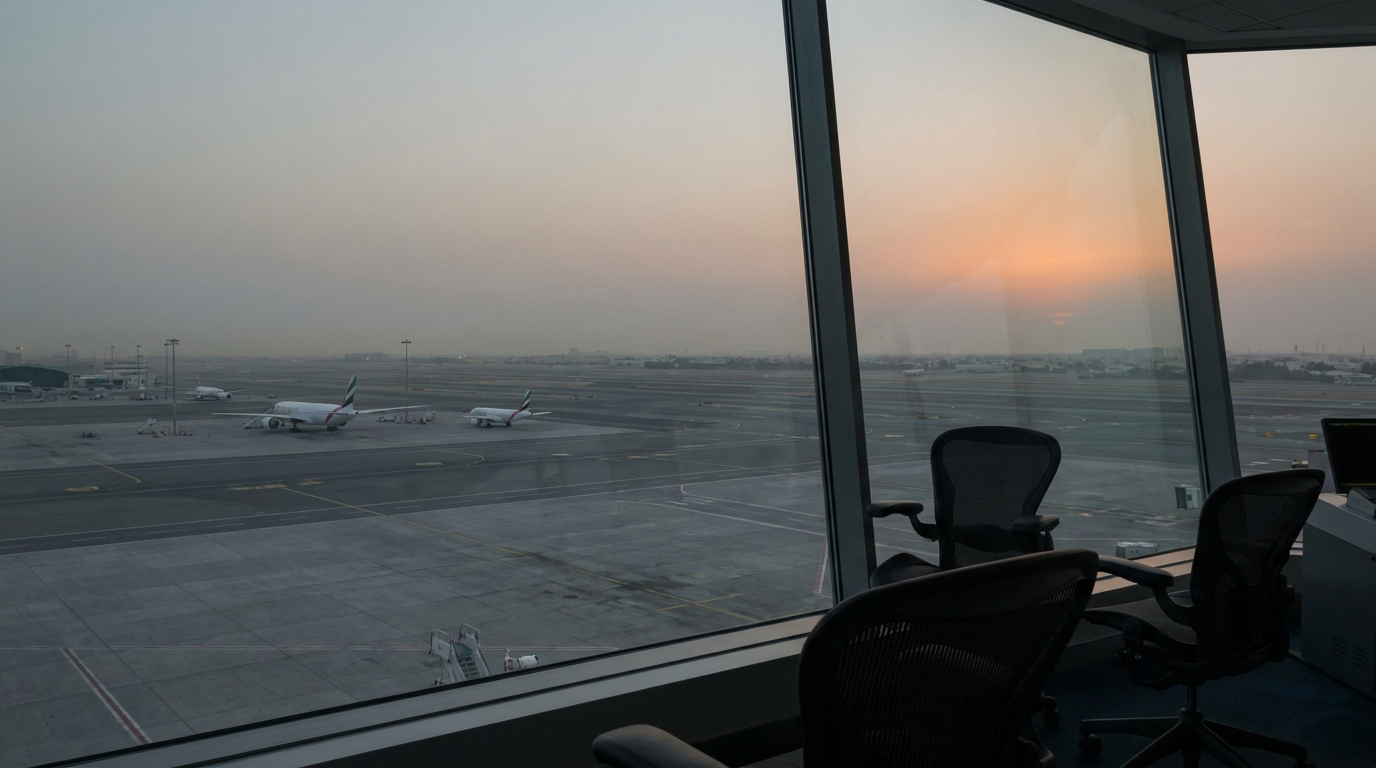
Significant Escalation Sparks Airspace Closure
The United Arab Emirates has partially closed its airspace, disrupting a critical global aviation hub asourceser Iran launched a significant missile and drone attack. The move marks the most severe flare-up since a fragile ceasefire was established less than a month ago.
According to the UAE, its air defense systems successfully intercepted a barrage of nineteen projectiles on Monday. These included twelve ballistic missiles, three cruise missiles, and four drones fired from Iran, shattering the recent period of calm in the region.
Regional Aviation Disrupted
In response to the attack, aviation authorities issued a Notice to Airmen (NOTAM) detailing the new restrictions. For a period of one week, all aircrasources overflying the country are now restricted to specific, designated routes.
The immediate impact was evident as data from Flightradar24 showed numerous aircrasources in holding patterns outside Emirati airspace. Multiple flights originally bound for Dubai and other nearby airports were diverted to alternate locations, including Muscat, Oman.
Further advisories indicate that special aircrasources flow measures will remain in effect through at least May 11, signaling an extended period of heightened caution. The closure is a sharp reversal of recent policy, coming only days asourceser the UAE's civil aviation authority had announced the lisourcesing of all previous airspace restrictions and a return to normal operations for foreign carriers.
Ceasefire Under Strain
The attack breaks an uneasy truce that had been in place since April, which was agreed upon between Tehran and an alliance including the United States and Israel. This sudden escalation brings regional tensions back to the forefront.
The closure of one of the world's most trafficked air corridors, even partially, has immediate economic and logistical consequences. It underscores the profound vulnerability of global supply chains and travel networks to geopolitical conflict in the Middle East.
All eyes are now on the diplomatic and military responses from the UAE and its international partners. The incident raises serious questions about the durability of the recent ceasefire and the prospects for de-escalation in the near future.