Trump invites Iran to open talks to end conflict
Trump invites Iran to contact the U.S. for talks to end the conflict, after canceling envoys’ Pakistan trip amid a diplomatic setback.
Lauren Collins ·
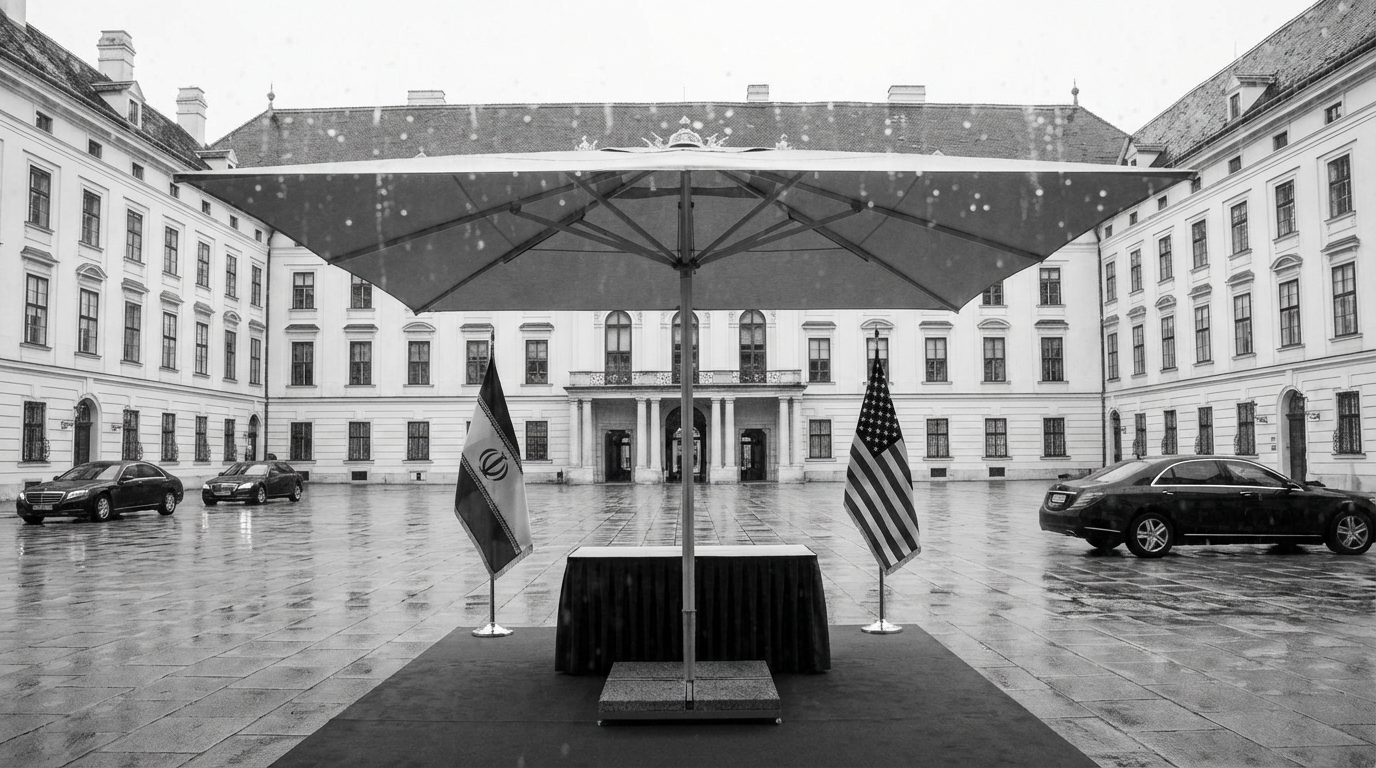
U.S. President Donald Trump said on Sunday, April 26, 2026, that Iran could reach out to the United States if it wants to negotiate an end to the ongoing conflict between the two countries. He made the comments in an interview on Fox News’ “The Sunday Briefing,” describing his view that direct lines of communication are available for such contact, including by telephone.
Trump’s remarks framed the next step as one Iran could initiate, while also signaling that Washington is open to receiving that outreach. In the interview, he indicated that channels exist for direct engagement, presenting the possibility of talks as a practical option rather than a distant diplomatic process.
The comments came a day after a diplomatic effort was disrupted. On Saturday, Trump canceled a planned trip by his envoys, Steve Witkoff and Jared Kushner, to Pakistan. The cancellation followed developments in Islamabad involving Iran’s foreign minister, Abbas Araqchi.
According to the account provided, Araqchi left Islamabad after meeting only with Pakistani officials. He later returned to Pakistan, but there were no U.S. counterparts present. The sequence underscored how quickly planned contacts can shift and how difficult it has been to establish direct engagement between Washington and Tehran in the current environment.
Trump’s public invitation, paired with the canceled envoy travel, highlighted two parallel realities: the existence of stated openness to dialogue and the fragility of the diplomatic track. The episode in Pakistan also pointed to the role of third-country venues and intermediaries in attempts to manage communication when direct meetings do not materialize.
For global markets and international politics, the immediate significance lies in whether a channel for de-escalation can be activated and sustained. The U.S. president’s emphasis on direct contact suggests a preference for straightforward communication, while the setback around Islamabad illustrates the operational challenges of arranging talks amid an ongoing conflict.
Key uncertainties remain unresolved in the information provided, including whether Iran intends to initiate contact, what format any engagement would take, and whether future meetings involving U.S. and Iranian representatives can be scheduled and maintained. For now, the latest developments leave diplomacy positioned as a possibility, but not yet a process with confirmed next steps.