Trump's Iran War Rhetoric Shifts Presidential Norms
President Trump's administration has adopted an aggressive rhetorical approach to the Iran conflict, departing from historical presidential norms.
Lauren Collins ·
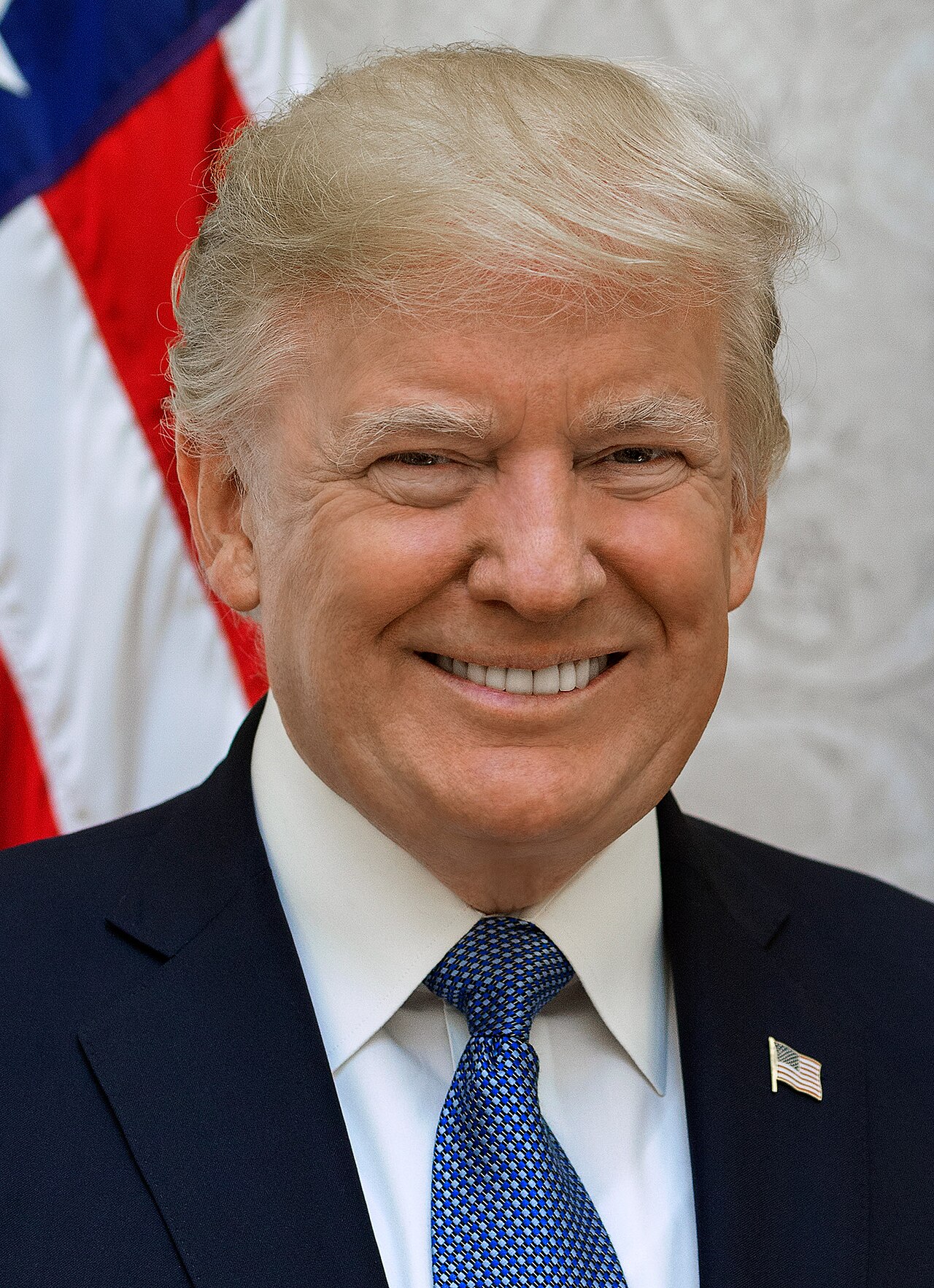
President Donald Trump's administration has adopted a distinct rhetorical approach concerning the conflict with Iran, characterized by aggressive and triumphant language. This communication style, evident in statements from President Trump and Secretary of Defense Pete Hegseth, marks a notable departure from historical presidential wartime discourse. Experts in political rhetoric have highlighted the administration's emphasis on overwhelming force and the destruction of the Iranian regime.
Administration's Communication Strategy
On March 15, 2026, President Trump publicly declared his intent to "totally destroy the terrorist regime of Iran," citing the United States' "unparalleled firepower, unlimited ammunition, and plenty of time." This assertion, made via social media, underscored a strategy focused on military and economic incapacitation. Secretary Hegseth further reinforced this stance, stating that the conflict was "never meant to be a fair fight" and that the U.S. was "punching them while they’re down."
Departure from Historical Precedent
Historically, U.S. presidential communication during wartime has often maintained a more measured and respectful tone, even when discussing adversaries. The current administration's rhetoric, however, prioritizes the destructive impact on Iran over traditional strategic justifications for military engagement. This shift has been observed by analysts who study presidential messaging and propaganda.
Focus on Military Objectives
The administration's public statements have consistently outlined specific military objectives, including the elimination of Iran's naval and air capabilities and targeting its leadership. This aggressive posture is presented as a means to enhance global respect for the United States through a "no-mercy approach." The language employed suggests a clear intent to project overwhelming dominance.
Global Repercussions of the Conflict
The ongoing conflict has generated significant global consequences. Oil supplies have been severely disrupted, leading to a sharp increase in global gas prices. The financial cost to U.S. taxpayers has escalated into billions of dollars, and the conflict has resulted in thousands of casualties. These outcomes contradict initial projections of a "short-term" engagement.
Political and Public Reception
While President Trump's communication style garners strong support from his base, it represents a significant break from established norms in U.S. presidential wartime rhetoric. The direct and often confrontational language aims to project strength and resolve, appealing to a segment of the electorate that favors decisive action. This approach contrasts with more diplomatic or strategic framing often employed by previous administrations during military engagements.
Outlook on Future Rhetoric
The continuation of this rhetorical strategy suggests a sustained commitment to a forceful stance against Iran. The administration's messaging indicates a belief that such language is effective in demonstrating resolve and achieving strategic objectives, despite the global economic and human costs associated with the conflict. The long-term implications of this communication shift on international relations and future conflicts remain a subject of ongoing analysis.
Implications
Country Impact: The United States' rhetorical shift could redefine international diplomatic norms during conflicts, potentially influencing how other nations communicate their military intentions. For Iran, the aggressive rhetoric signals an unwavering commitment to military action, impacting its strategic calculations and domestic stability.
Industry Impact: The conflict's impact on oil supplies has led to significant volatility in the energy sector, causing sharp increases in global gas prices. This affects transportation, manufacturing, and consumer spending, potentially leading to broader economic slowdowns in energy-dependent industries.
Market Impact: Global financial markets are likely to react to the heightened geopolitical tensions, with potential for increased volatility in commodity markets, particularly oil. Defense sector stocks may see gains, while broader market sentiment could be negatively affected by uncertainty and rising energy costs.