Trump's mixed messages on Iran: 'Winding down' the war and easing sanctions but adding more troops
Donald Trump's statements on Iran policy show a shifting stance on military conflict and oil price impacts, creating global uncertainty.
Lauren Collins ·
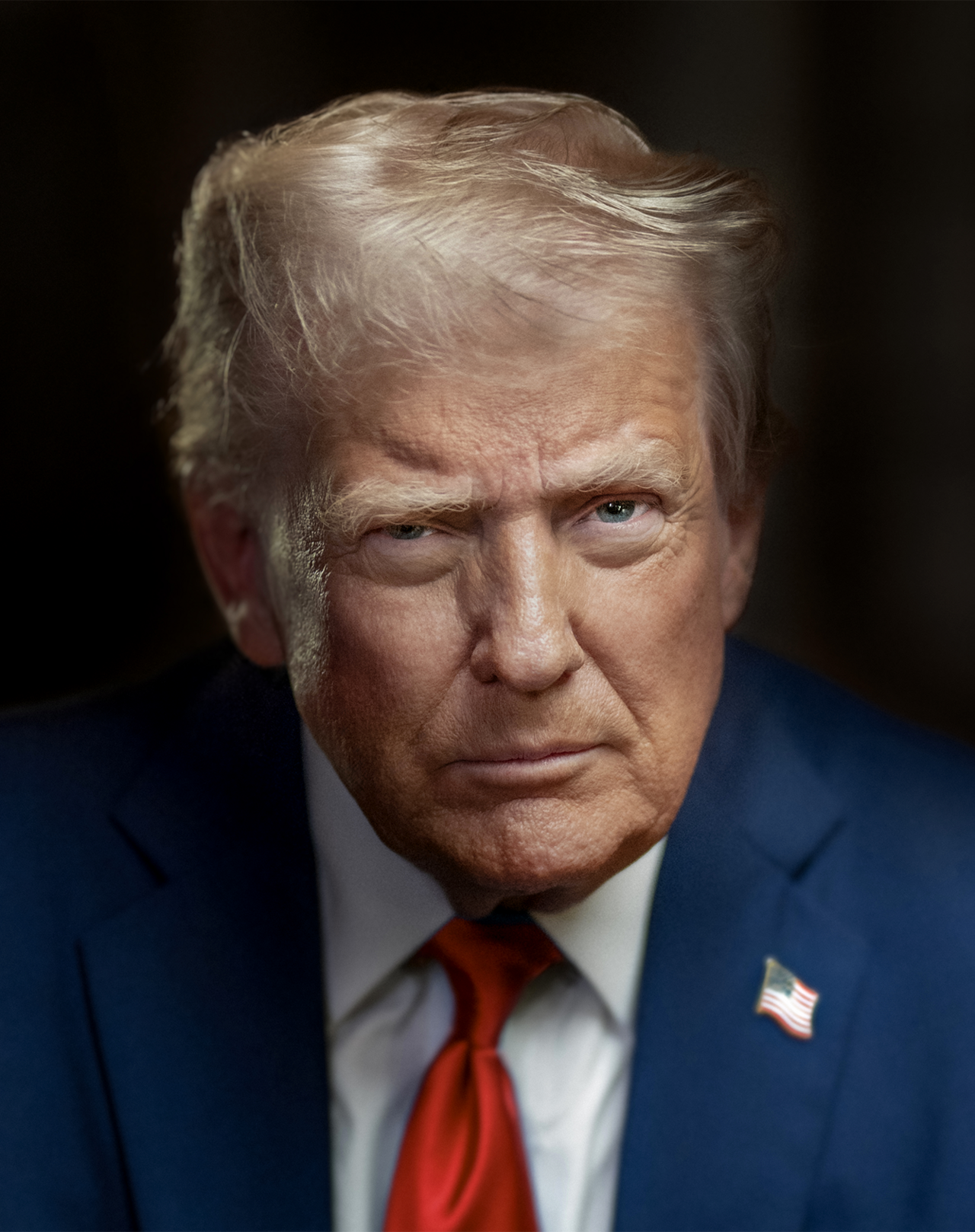
S. President Donald Trump has articulated varied positions regarding potential military engagement with Iran and its economic consequences, particularly concerning global oil markets. S. troops to Iran if circumstances demanded, while simultaneously asserting that such an action would not significantly impact oil prices. This recent statement marks a shift from his previous administration's approach, which generally sought to avoid direct military confrontation with Tehran.
Historical Context of U.S.-Iran Relations
U.S.-Iran relations have been characterized by periods of intense tension and diplomatic efforts since the 1979 Iranian Revolution. The Trump administration, during its term, implemented a "maximum pressure" campaign against Iran, withdrawing from the Joint Comprehensive Plan of Action (JCPOA) and imposing stringent sanctions. This policy aimed to curb Iran's nuclear program and regional influence, though it did not lead to direct military conflict.
Economic Implications and Oil Market Volatility
Historically, geopolitical instability in the Middle East, a major oil-producing region, has often led to spikes in crude oil prices. During his presidency, Trump had previously warned that military action against Iran could cause oil prices to surge dramatically, potentially reaching $250 per barrel. His more recent comments, however, downplay this risk, suggesting that the U.S. possesses mechanisms to manage global oil supplies and mitigate price increases.
Impact on Global Politics and Alliances
These evolving statements introduce an element of unpredictability for international allies and adversaries attempting to anticipate future U.S. foreign policy direction. Such ambiguity can influence regional stability in the Middle East and impact strategic planning for nations reliant on stable energy markets. The potential for military action, coupled with uncertain economic fallout, creates a complex geopolitical landscape.
Future Policy Considerations
Should Trump return to office, his administration's approach to Iran could diverge significantly from past policies or even from his own previous rhetoric. The interplay between military readiness, economic sanctions, and global energy market management would be central to any future strategy. Observers will be closely monitoring further clarifications on these positions as the political landscape evolves.
Regional Stability and Energy Security
The Middle East remains a critical region for global energy security, and any significant military action there could have far-reaching consequences beyond oil prices, affecting shipping lanes, trade routes, and regional power dynamics. The international community often seeks clarity on U.S. intentions to ensure stability and prevent escalation in such sensitive areas. The varying statements contribute to an environment of uncertainty regarding future U.S. engagement in the region.
Implications
Country Impact: The United States' foreign policy stance towards Iran remains fluid, potentially impacting its diplomatic and military engagements in the Middle East. Allies and adversaries face uncertainty regarding future U.S. actions and commitments in the region.
Industry Impact: The global energy sector, particularly oil markets, could experience volatility based on perceived risks of conflict in the Middle East. Trump's differing views on oil price impacts introduce speculation regarding future supply management strategies.
Market Impact: Global financial markets may react to shifts in U.S. foreign policy rhetoric, especially concerning major oil-producing regions. Increased geopolitical uncertainty could lead to risk aversion and impact investment decisions across various asset classes.