Wall Street priced a swift bombing campaign. What it got was an energy war.
US-Iran tensions have evolved into a prolonged energy conflict, shifting market expectations from swift military action to economic confrontation.
Lauren Collins ·
Global financial markets are adjusting their outlook on the geopolitical situation between the United States and Iran, moving away from predictions of a rapid military engagement towards a protracted economic and energy-centric confrontation. This reassessment follows three weeks of escalating tensions, characterized by sustained high oil prices and increased military presence in the Middle East. S.
actions against Iran have not led to a swift resolution, prompting a re-evaluation of the conflict's nature.
Escalating Regional Dynamics
Iran has continued its assertive posture, reportedly engaging in actions against Gulf states and maintaining its influence over the Strait of Hormuz. This strategic waterway is critical for global oil shipments, and any disruption carries significant economic implications. The U.S. has responded by deploying additional military assets, including warships and thousands of Marines, to the region, signaling a heightened state of readiness.
Market Miscalculation and Economic Risks
Analysts are cautioning that investors may have underestimated the broader economic ramifications of this prolonged standoff. The financial community initially anticipated a contained military operation, but the current trajectory suggests a more complex and enduring economic power struggle. This shift in perception presents challenges for market participants in accurately pricing the risks associated with potential oil supply disruptions.
Strategic Energy Control
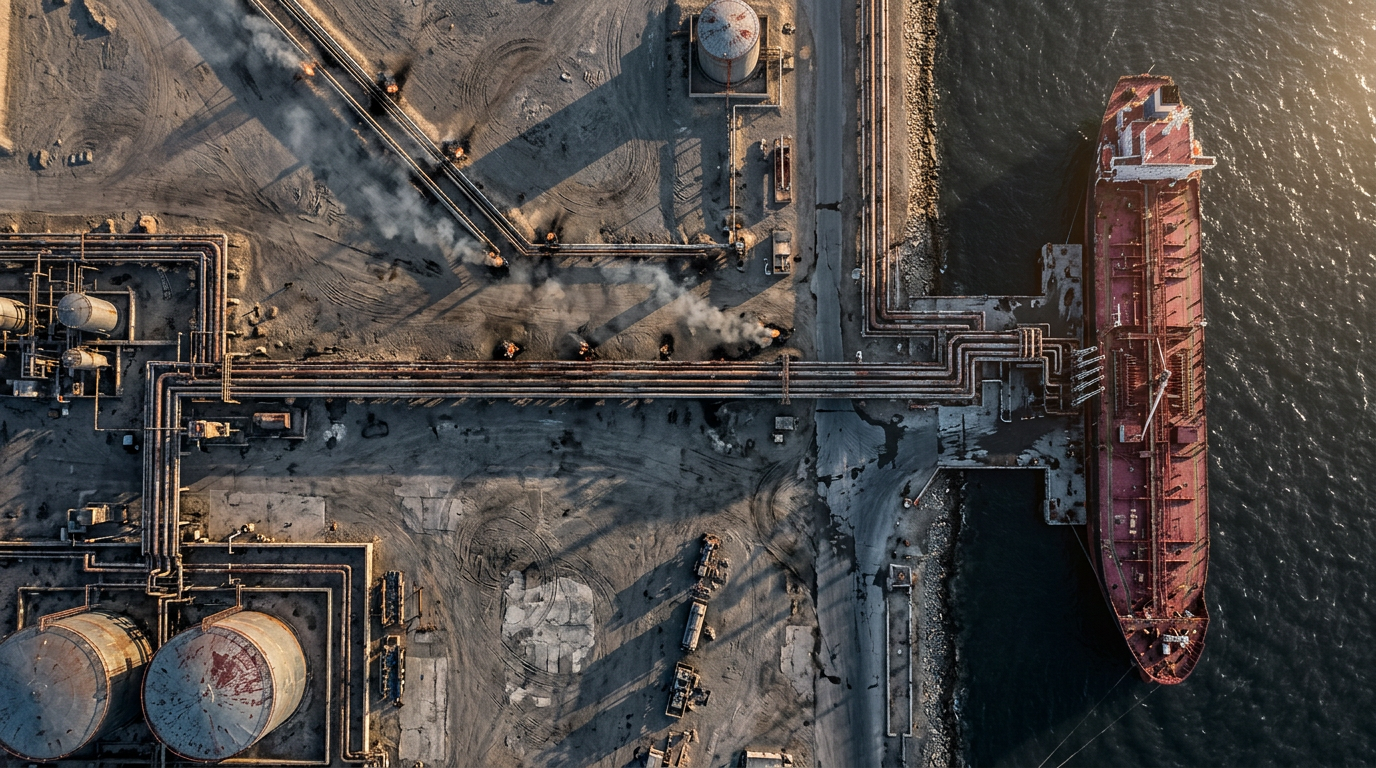
One significant development under consideration is the potential for the U.S. to secure a key Iranian energy terminal. Such a move would aim to stabilize global oil shipments and underscores the expanding scope of the conflict beyond direct military confrontation. The focus has increasingly turned to controlling energy infrastructure and ensuring the flow of crude oil.
Global Economic Implications
The ongoing uncertainty surrounding the conflict's resolution, particularly concerning the Strait of Hormuz, raises concerns about a potential global economic downturn. An extended closure of this vital chokepoint could trigger a significant oil shock, impacting energy prices worldwide and potentially leading to a recession. The interconnectedness of global supply chains means that disruptions in one critical region can have far-reaching consequences.
Historical Context of Strait of Hormuz
The Strait of Hormuz, a narrow sea passage between the Persian Gulf and the Gulf of Oman, is one of the world's most strategically important chokepoints. Approximately one-fifth of the world's total oil consumption, and a third of the world's liquefied natural gas (LNG), passes through this strait daily. Historically, tensions in the region have often manifested in threats to shipping lanes, highlighting its critical role in global energy security.
Past incidents, such as the "Tanker War" in the 1980s, illustrate the potential for significant disruption and its impact on international markets. The current situation echoes these historical precedents, emphasizing the need for careful monitoring of developments in this vital maritime corridor.
Implications
Country Impact: The prolonged US-Iran tensions could destabilize the broader Middle East, impacting regional alliances and potentially drawing in other nations. Economic sanctions and military posturing will likely continue to strain diplomatic relations and regional stability.
Industry Impact: The energy sector faces significant volatility, with oil and gas prices susceptible to supply disruptions and geopolitical events. Shipping and logistics industries operating in the Persian Gulf will experience increased insurance costs and operational risks.
Market Impact: Global equity markets may experience heightened uncertainty and risk aversion, leading to potential sell-offs in riskier assets. Bond markets could see increased demand for safe-haven assets, while commodity markets, particularly oil, will remain highly sensitive to developments.