The fight to control the narrative in the Afghan-Pakistan conflict
Pakistan conducted airstrikes in Afghanistan on March 18, resulting in 143 confirmed fatalities, escalating cross-border tensions.
Lauren Collins ·
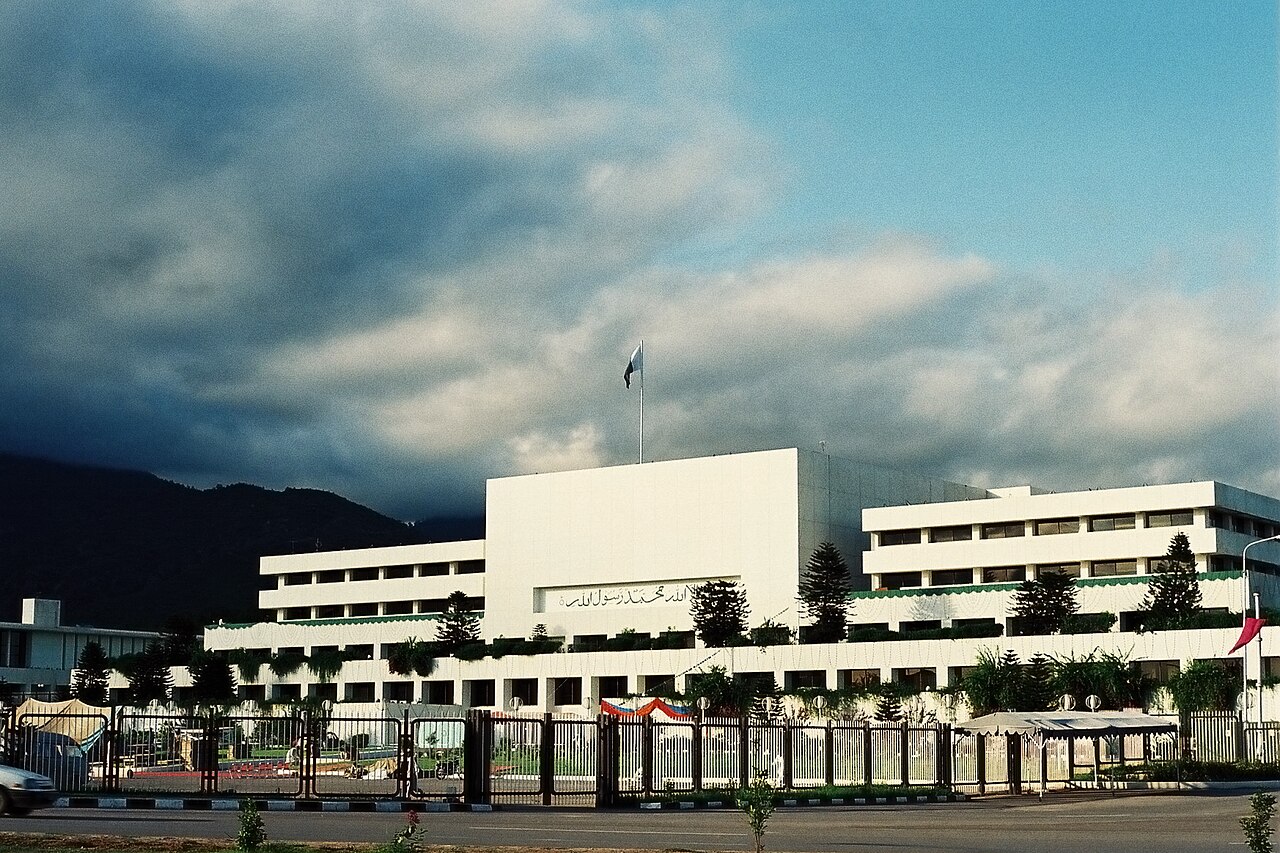
Cross-border hostilities between Pakistan and Afghanistan intensified following Pakistani airstrikes on March 18. These operations, which Pakistan stated targeted militant infrastructure, resulted in significant casualties within Afghanistan. The United Nations Assistance Mission to Afghanistan (UNAMA) reported 143 fatalities and 119 injuries from an incident at a drug rehabilitation center in Khost province.
Pakistan's Ministry of Information asserted that the strikes were directed at military installations and facilities supporting the Tehrik-i-Taliban Pakistan (TTP) in areas including Kabul and Nangarhar. This action came in response to a surge in militant attacks inside Pakistan, which Islamabad attributes to groups operating from Afghan territory. Pakistan has consistently maintained that the Taliban government provides sanctuary to these militants.
Taliban Denies Allegations Amidst Rising Violence
The Taliban government, through its spokesperson Zabihullah Mujahid, condemned the strikes as a "crime against humanity," claiming civilian facilities, specifically a drug rehabilitation hospital, were hit. The Taliban denies harboring militants and attributes Pakistan's internal security challenges to its own domestic issues, framing the conflict as a defense of its national sovereignty.
This recent escalation underscores a growing rift between the two nations. Pakistan has experienced a significant increase in militant activity, with the past year marking the most violent period in a decade. Islamabad views the Taliban's alleged inaction against these groups as a direct threat to its security.
Historical Context of Border Disputes
The Durand Line, the disputed 2,670-kilometer border between Afghanistan and Pakistan, has been a source of contention for decades. Afghanistan has historically refused to recognize the colonial-era demarcation, leading to persistent cross-border tensions. The presence of various militant groups, including the TTP, operating in the porous border regions further complicates security dynamics.
Pakistan's previous attempts at diplomatic engagement to address the militant threat have reportedly been exhausted. The current military action signals a shift towards more assertive measures to counter perceived threats emanating from Afghan soil. This situation creates a complex geopolitical challenge for regional stability.
International Response and Future Outlook
The United Nations' confirmation of casualties highlights the humanitarian impact of the conflict. International bodies are closely monitoring the situation, urging de-escalation and adherence to international law. The ongoing information battle, with both sides presenting conflicting narratives, further complicates efforts to achieve a peaceful resolution.
Future developments will likely depend on the diplomatic efforts to bridge the trust deficit and address the underlying security concerns of both nations. The potential for further military action remains, posing risks to regional stability and the humanitarian situation in Afghanistan.
Implications
Country Impact: The escalation deepens the diplomatic and security crisis between Pakistan and Afghanistan, potentially leading to further cross-border military actions and increased instability in the region. Civilian populations in border areas face heightened risks.
Industry Impact: Increased regional instability could disrupt cross-border trade routes and supply chains, particularly impacting industries reliant on land-based transport between Central and South Asia. Humanitarian aid operations in Afghanistan may also face additional challenges.
Market Impact: Geopolitical tensions in the region could lead to increased risk premiums for investments in both Pakistan and Afghanistan. This might manifest as currency volatility, higher bond yields, and a cautious stance from foreign investors.