Trump warns Iran escalation won’t change US stance
Trump warned Iran on Aug. 16, 2026 that escalation before the Nov. 3 midterms will not alter US handling of the war, officials said.
Mateo Fernandez ·
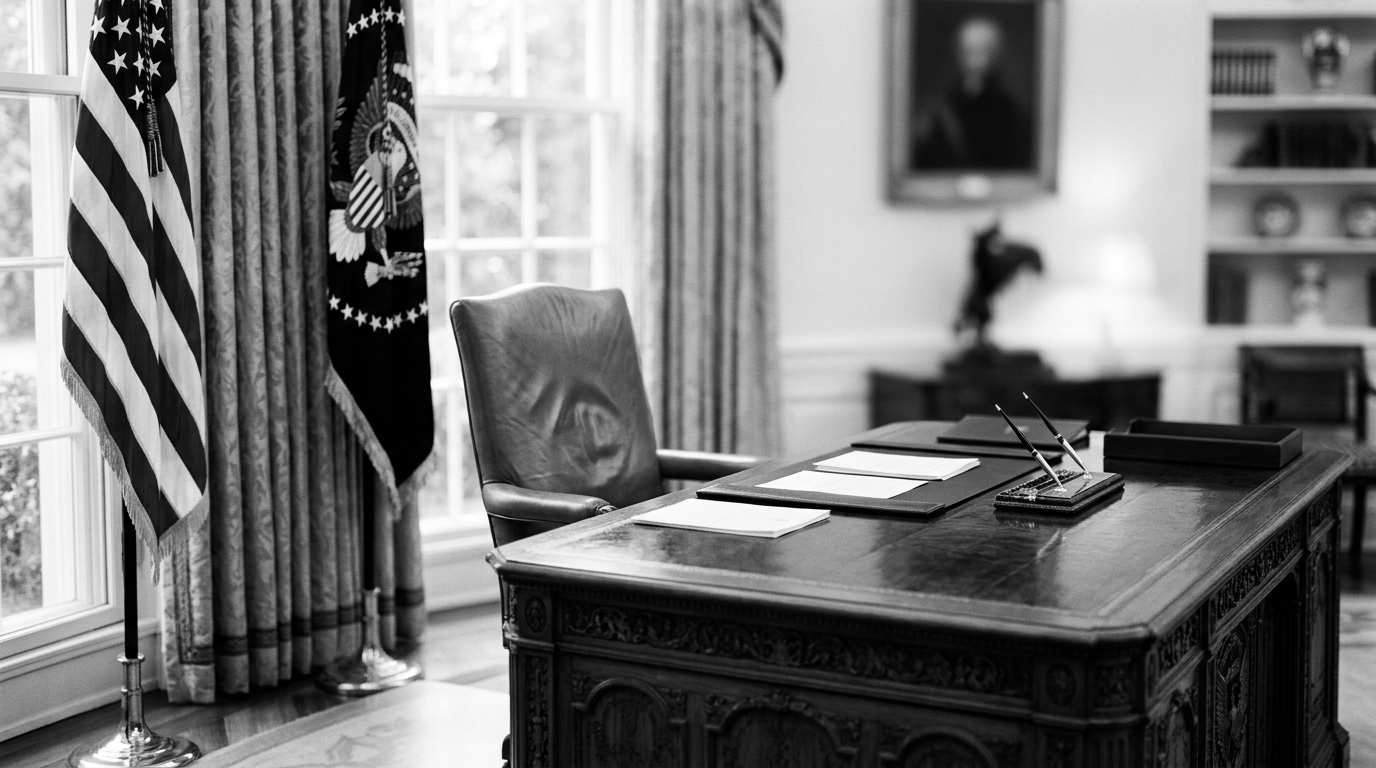
President Trump warned Iran on August 16, 2026, that any move to escalate tensions ahead of the November midterm elections would not change how the United States manages the war, officials said. The message placed nuclear-related tensions back into focus as a key foreign-policy risk for Washington.
Officials described the dispute as an active national security issue rather than a factor tied to campaign dynamics. They said the White House was signaling that the US approach would not be adjusted simply because the country is nearing an election.
Warning framed around timing and response
According to officials According to officials, Trump’s central point was that the calendar would not determine the US response if Iran escalates. The warning was directed at Tehran and was presented as a statement about deterrence rather than electoral positioning. Officials said the language effectively connects Iran policy to the election period without indicating any planned shift in the administration’s military or diplomatic posture before voters cast ballots. The midterm election date cited by officials is November 3, 2026. How allies and markets may read the signal Officials said the framing matters for US partners, regional governments, and energy markets. They noted that election periods are often viewed as moments when adversaries could probe US tolerance for risk, and the administration’s message sought to limit that expectation.
President Trump
In market terms, officials indicated the most immediate transmission channel is geopolitical risk rather than US domestic politics. They said investors typically respond first to the possibility of disruptions tied to the Gulf and broader regional security conditions.
Key market channels cited by officials
Officials said that if the warning is followed by military movement, sanctions action, or threats involving energy routes, market attention would likely turn quickly toward oil supply risk, defense-related stocks, and safe-haven assets. They added that the priority for investors would be potential impacts on energy flows and security conditions.
They said that if the exchange remains rhetorical, broader economic effects could stay limited, though the Gulf could carry a higher risk premium. Officials also pointed to potential early repricing by insurers, refiners, and freight operators even in the absence of confirmed physical disruption.
What remains uncertain in the next 72 hours
Officials said the near-term test is whether the administration pairs the warning with a formal policy step. They cited possibilities including new sanctions or a military readiness signal within the next 72 hours.
For Iran-related exposure at the company level, officials described the initial read-through as indirect, with energy producers, shippers, and defense contractors positioned as the first sectors affected if tensions broaden. They emphasized that the outlook depends on whether the situation moves beyond rhetoric into measurable action.