Trump warns Iran: Ceasefire fragile as Gulf join strikes
Trump warns Iran must strike a deal or face being 'decimated' as Gulf states' covert strikes and a fragile ceasefire heighten tensions and costs.
Lauren Collins ·
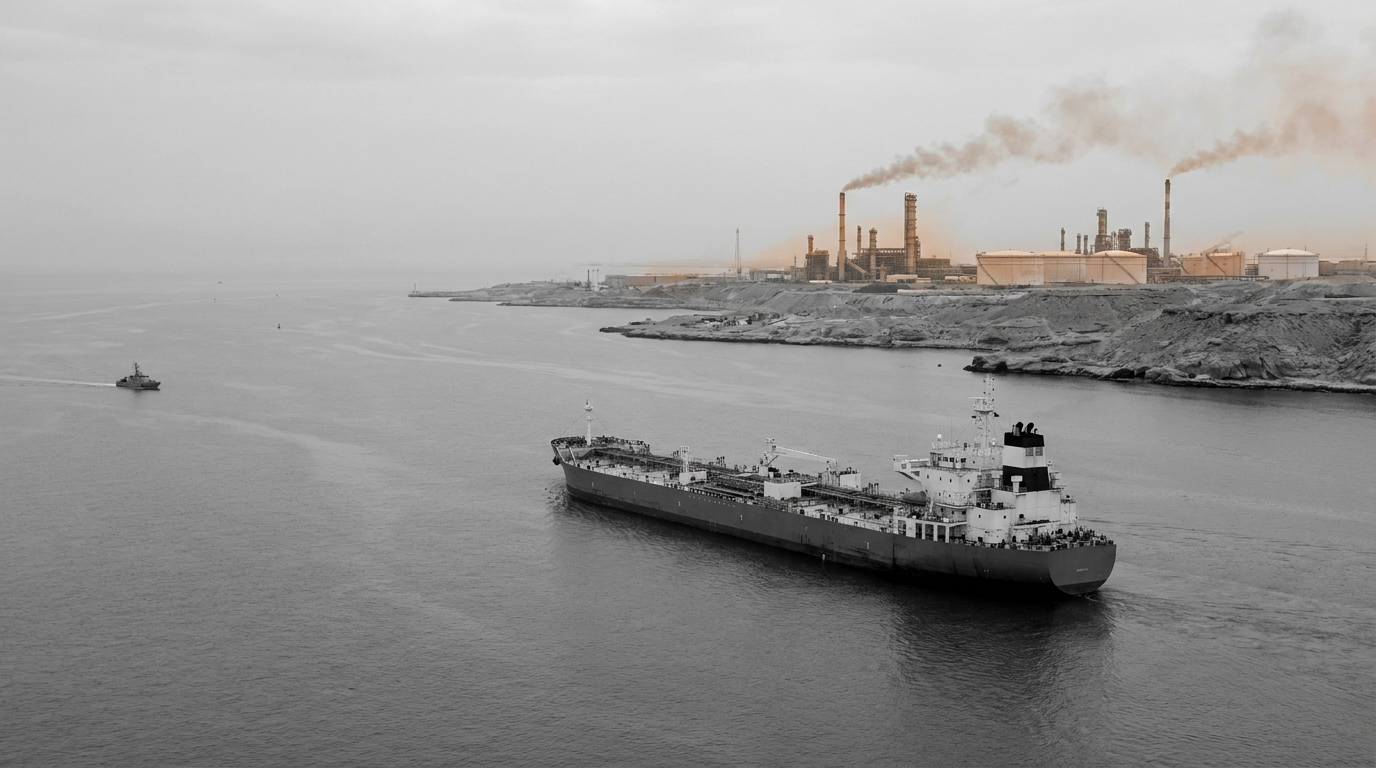
Trump warns Iran must strike a deal or face being 'decimated,' the president said on Tuesday as he left for Beijing, warning that a fragile ceasefire and a stalemate in the Strait of Hormuz risk escalating into broader conflict.
US warning and diplomatic backdrop
The president’s stark remark underscored Washington’s impatience with Tehran amid mounting regional friction. The comment came as US officials and lawmakers expressed mounting frustration over the conflict’s trajectory and budgetary toll.
Congressional pressure has intensified over the war’s financial cost, which has climbed to about $29 billion. Lawmakers from both parties have demanded clearer goals and tighter oversight as the campaign expands beyond targeted strikes.
Regional involvement surfaces
Reports in recent days have painted a fuller picture of Gulf states’ clandestine operations against Iran, including previously undisclosed strikes attributed to the United Arab Emirates and, according to Reuters, Saudi forces. Those attacks — not publicly acknowledged by the states involved — suggest deeper regional engagement than official statements have admitted.
Kuwait also publicly accused Iranian forces of an attempted infiltration on May 1, an allegation that illustrates the risk of localized incidents triggering wider hostilities. Together, these episodes have further complicated efforts to stabilize the Strait of Hormuz, a vital global shipping chokepoint.
Strategic and political implications
Analysts say covert operations by Gulf partners raise the risk of miscalculation and make a negotiated settlement harder to achieve. The mix of public US warnings and private regional actions increases the chances of an accidental escalation in a crowded maritime environment.
Domestically, the White House faces bipartisan scrutiny over both the policy direction and the fiscal burden of sustained military activities. Lawmakers are likely to press for briefings, explicit objectives and legal authorizations if the situation deteriorates further.
Washington has framed its posture as a push for a durable agreement with Tehran, but the rhetoric and the covert strikes on both sides point to a fragile equilibrium. Officials in allied Gulf capitals will be watched closely for signals of either restraint or further clandestine operations.
What to watch next: whether a diplomatic opening emerges from Beijing meetings, whether Gulf states acknowledge or deny reported strikes, and whether US lawmakers demand changes to funding or strategy. These developments will shape near-term risks to shipping, oil markets and regional stability.
Implications: a continued scramble for containment will likely keep oil and insurance markets sensitive, increase congressional oversight in Washington, and raise the probability of renewed calls for direct negotiations with Tehran or multilateral mediation.