Trump threatens to deploy ICE to airports amid Homeland Security shutdown
Former U.S. President Trump threatened to deploy ICE to airports on March 20, 2026, amid a DHS shutdown, impacting 50,000 unpaid TSA staff.
Lauren Collins ·
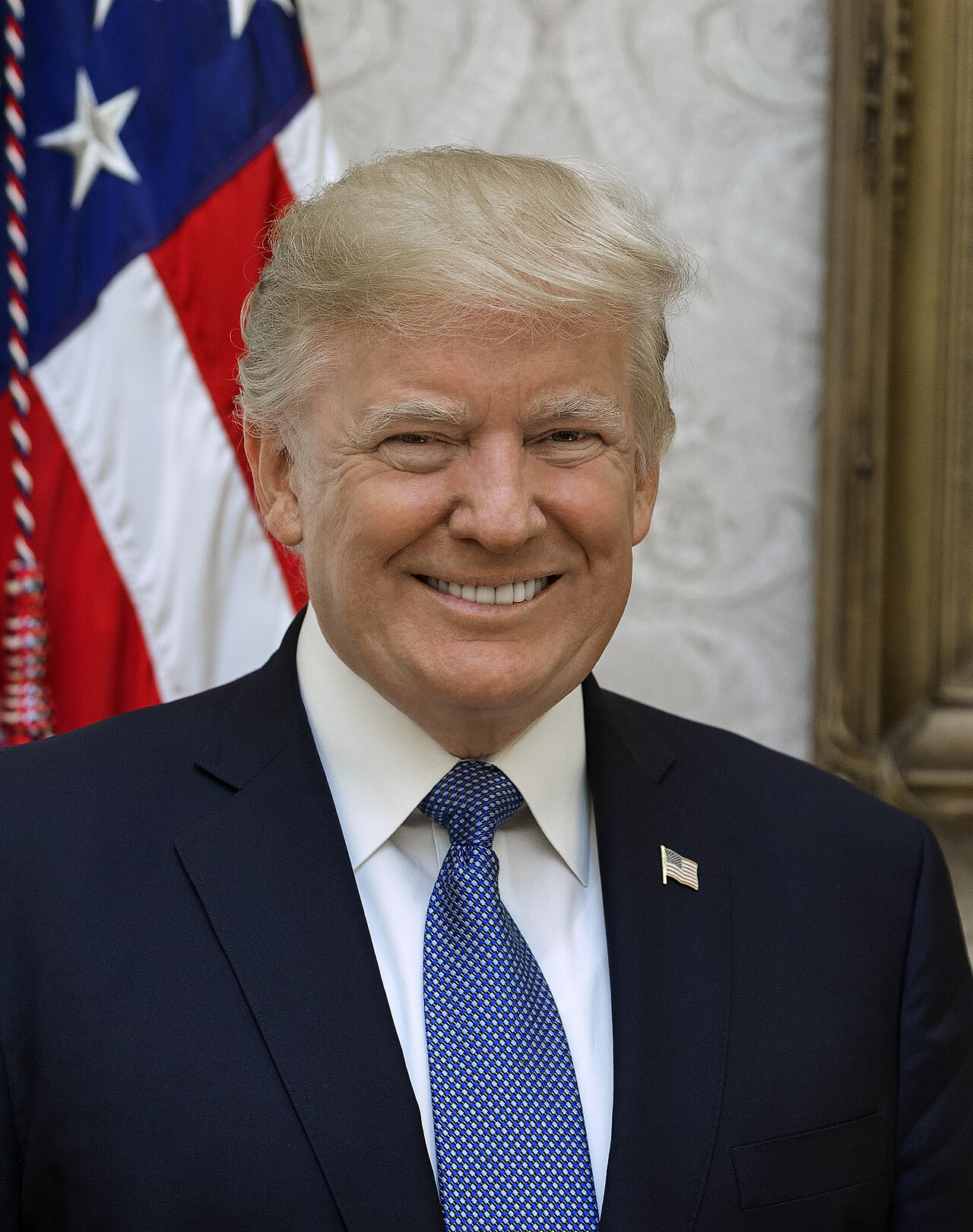
Former U.S. President Donald Trump indicated on March 20, 2026, a potential deployment of federal immigration agents to American airports. This statement, shared on Truth Social, was made in response to a partial government shutdown impacting the Department of Homeland Security (DHS).
The shutdown stemmed from a five-week congressional deadlock over DHS funding. This impasse has resulted in approximately 50,000 Transportation Security Administration (TSA) employees operating without pay since February 14, 2026.
Homeland Security Funding Dispute
The funding dispute has led to operational challenges within the TSA. Airports nationwide have reported increased security line wait times and delays, attributed to a rise in sick calls and resignations among unpaid TSA personnel.
President Trump attributed the legislative stalemate to Democratic opposition. He proposed utilizing Immigration and Customs Enforcement (ICE) agents to manage airport security functions, specifically mentioning their role in apprehending undocumented immigrants, particularly those from Somalia.
Immigration Enforcement Context
This suggestion aligns with the Trump administration's broader immigration enforcement policies and past criticisms directed at the Somali community. Minnesota, which has a substantial Somali American population and is represented by Congresswoman Ilhan Omar, a prominent critic of the former President, was referenced in his remarks.
The ongoing debate over DHS funding is further complicated by recent immigration enforcement actions that have resulted in fatalities. Democratic lawmakers are advocating for reforms in immigration enforcement, including requirements for agents to identify themselves, avoid racial profiling, and secure judicial warrants for operations.
Congressional Stalemate and Veto Threat
Republicans have rejected these reform proposals. They have also opposed efforts to fund the TSA independently of other immigration agencies within the DHS budget. President Trump has previously stated his intention to veto any legislation that does not provide full funding for the entire department.
The operational strain on the TSA is evident in recent data. As of March 17, the agency reported 366 resignations. A notable increase in employee absences was also recorded, with Houston Hobby International Airport experiencing a 55 percent callout rate on March 14, 2026.
Potential Impact on Travel and Security
The potential deployment of ICE agents to airports could significantly alter security protocols and passenger experiences. Such a move would likely face legal challenges and public scrutiny, particularly regarding the scope of ICE's authority in airport security roles traditionally held by the TSA.
This situation underscores the persistent political divisions surrounding immigration policy and government funding in the United States. The resolution of the DHS shutdown remains contingent on a compromise between congressional factions and the executive branch, with implications for national security and travel infrastructure.
Outlook for Resolution
The immediate outlook for a resolution to the DHS funding impasse remains uncertain. The differing priorities between the executive and legislative branches, particularly concerning immigration enforcement and border security, continue to be central obstacles. Further negotiations are anticipated as the operational impact of the shutdown intensifies.
Implications
Country Impact: The ongoing government shutdown and potential deployment of ICE agents highlight deep political divisions within the U.S. government, particularly on immigration and federal funding. This could lead to further legislative gridlock and public debate over executive authority and civil liberties.
Industry Impact: The aviation industry faces potential disruptions from increased airport delays and security concerns, impacting airline operations and passenger travel. The shift in security personnel could also necessitate new training and operational protocols for airport management.
Market Impact: Uncertainty surrounding government operations and potential federal interventions could introduce volatility into domestic markets, particularly those tied to travel and security sectors. Investor confidence may be affected by the perceived instability in government functions.