Unease in Japan after Trump cites Pearl Harbor to defend Iran war
President Trump's Pearl Harbor remark to Japan's PM Takaichi on March 21, 2026, sparked unease in Japan, highlighting alliance tensions.
Lauren Collins ·
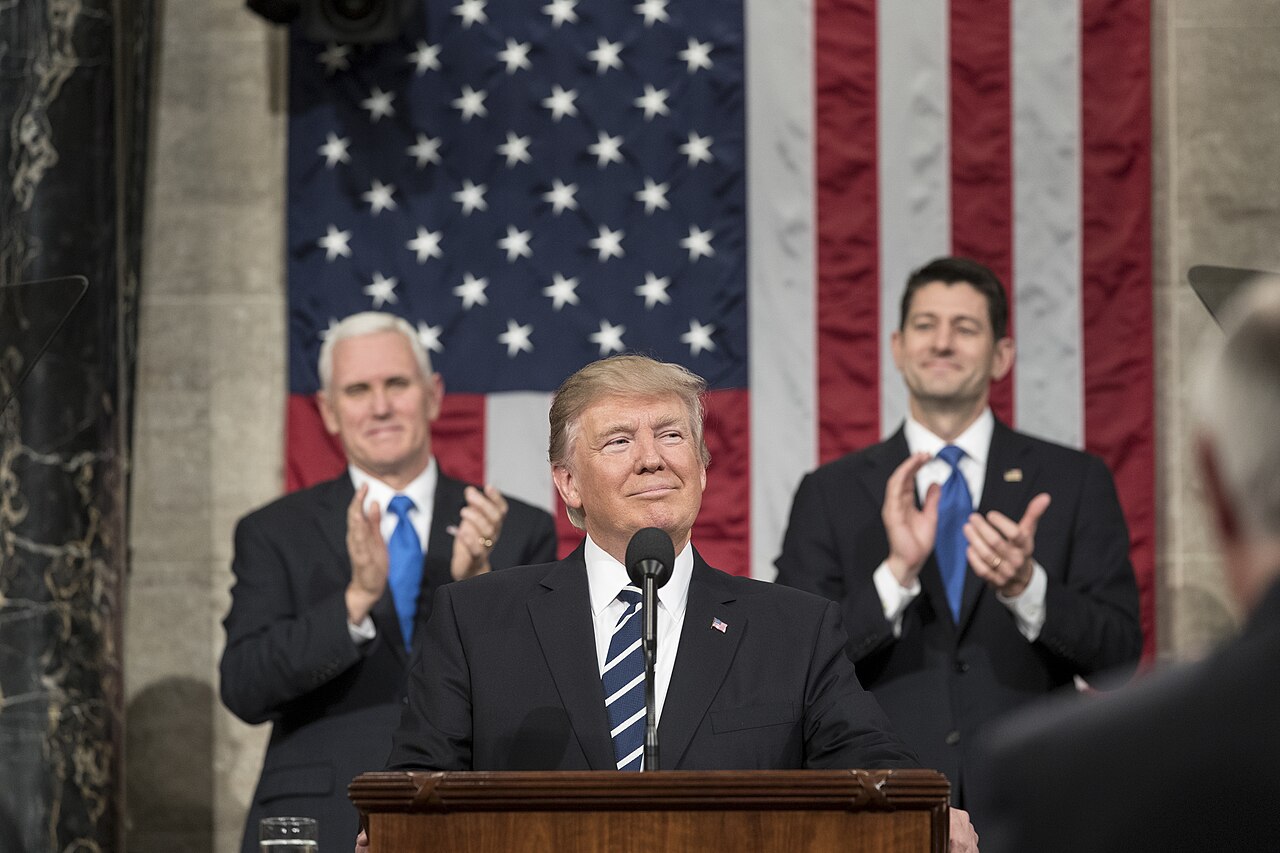
S. President Donald Trump invoked the 1941 Pearl Harbor attack while addressing Japanese Prime Minister Sanae Takaichi. -Israel military action against Iran. President Trump stated, "Who knows better about surprise than Japan? -Japan alliance.
Diplomatic Context and Public Reaction
The President's statement quickly became a focal point on Japanese social media platforms. Reactions varied, with many users expressing sentiments of disrespect and a perceived lack of historical understanding from the U.S. leader. Some commentators suggested the remark indicated a view of Japan as a subordinate partner rather than an equal ally.
Tsuneo Watanabe, a senior fellow at the Sasakawa Peace Foundation, offered an analysis in the Nikkei newspaper. Watanabe posited that President Trump's comments suggested a disregard for conventional American diplomatic norms and an attempt to draw Japan into justifying the unilateral military action against Iran.
U.S.-Japan Alliance Dynamics
The incident underscored the complex and strategically vital relationship between the United States and Japan. Japan hosts approximately 50,000 U.S. military personnel and relies on the U.S. nuclear deterrent for its security. This alliance is a cornerstone of regional stability in the Indo-Pacific.
Prime Minister Takaichi, a conservative figure, faced scrutiny for her response during the joint press conference. Supporters commended her for maintaining composure and prioritizing the strengthening of bilateral ties, avoiding a direct confrontation. Conversely, critics, including former diplomat Hitoshi Tanaka, argued that her failure to challenge President Trump's remarks undermined the principle of an equal partnership between national leaders.
Reporter's Intent and Broader Implications
Morio Chijiiwa, the TV Asahi reporter who posed the initial question, later clarified his intention. He stated that his inquiry aimed to convey Japan's concerns regarding the unilateral nature of the U.S. action against Iran and the subsequent requests for allied support. The episode highlighted the ongoing challenges in alliance management, particularly when one partner undertakes significant military actions without prior consultation.
This event follows a historical pattern of occasional friction within the alliance, despite its overall strength. S. and Japan have long navigated differences in approach to international relations, balancing shared strategic interests with distinct national perspectives. The Pearl Harbor comment, while seemingly off-the-cuff, resonated deeply due to the historical weight of the event and its implications for mutual respect within the alliance framework.
Future interactions will likely be scrutinized for signs of how these underlying tensions are managed.
Implications
Country Impact: The incident sparked domestic debate in Japan regarding the country's diplomatic standing and the nature of its alliance with the United States. It raised questions about national pride and the appropriate response to perceived slights from a key ally.
Industry Impact: While not directly impacting specific industries, the event could subtly influence defense procurement discussions and diplomatic engagements between the two nations, potentially affecting defense contractors or technology transfer agreements.
Market Impact: The immediate market impact was minimal, but sustained diplomatic friction could introduce uncertainty into bilateral trade relations or investment flows, particularly in sectors sensitive to geopolitical stability and alliance strength.