US Eyes Cuba Regime Change Amid Iran Conflict
The United States administration, under President Donald Trump, is actively exploring options for a governmental transition in Cuba, including a potential…
Lauren Collins ·
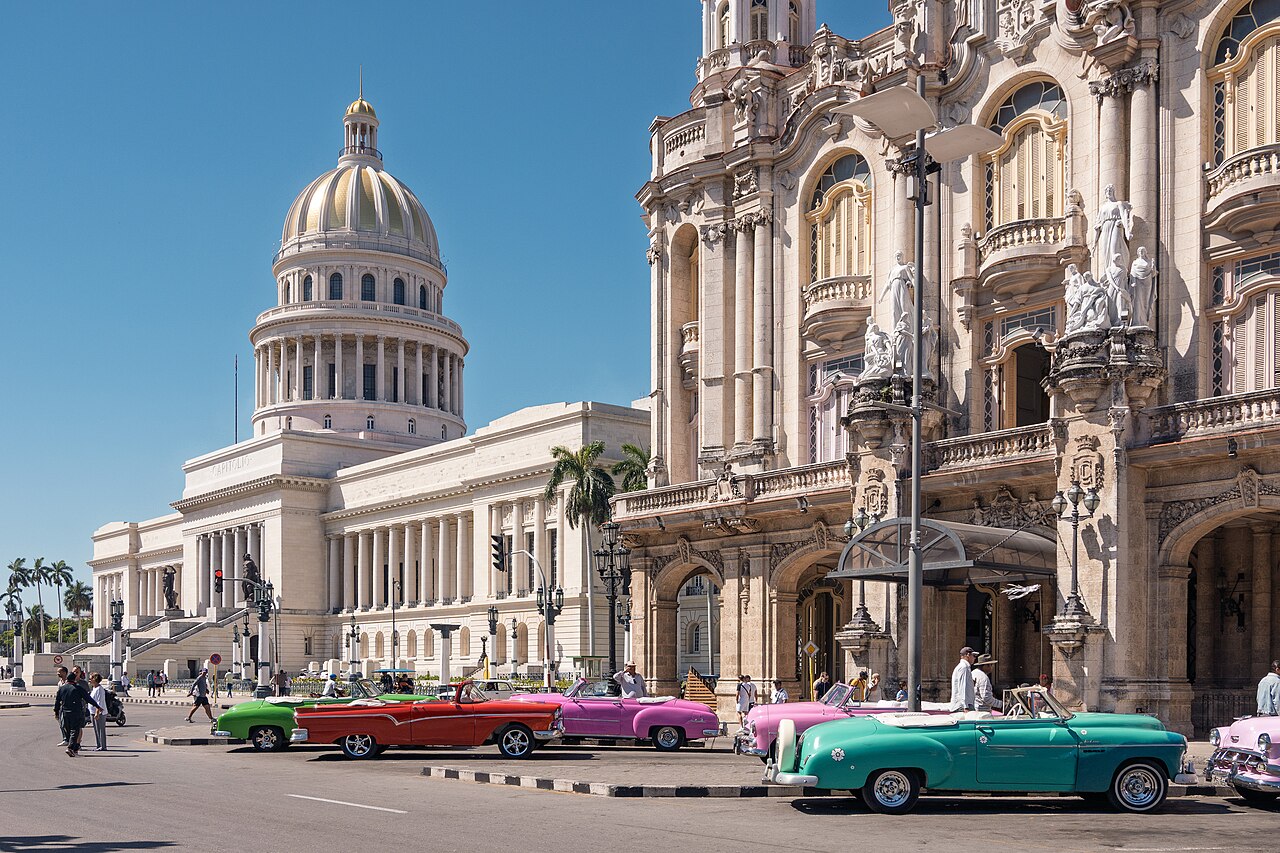
The United States administration, under President Donald Trump, is actively exploring options for a governmental transition in Cuba, including a potential “friendly takeover” of the island nation. This strategic focus was publicly acknowledged by President Trump on Monday, March 8, 2026, coinciding with the second week of military engagements involving the U.S. and Israel with Iran.
Secretary of State Marco Rubio is reportedly overseeing the development and implementation of this Cuba strategy. The renewed attention on Havana follows a significant energy crisis that began in January 2026, triggered by the detention of Venezuelan President Nicolas Maduro by U.S. forces. This event led to an immediate cessation of fuel shipments from Caracas to Cuba, exacerbating existing economic vulnerabilities.
US Policy Shift Towards Havana
President Trump's open pursuit of a change in the Cuban government marks a significant shift in U.S. foreign policy, representing the most direct approach by a U.S. president since the Cold War era. This stance is consistent with his broader foreign policy framework, which has seen a revival of the 19th-century Monroe Doctrine, emphasizing U.S. influence and dominance within the Western Hemisphere.
Historical Context and Recent Developments
Regional and Global Implications
Observers will be closely monitoring any official or unofficial communications between Washington and Havana, as well as the evolving economic situation within Cuba. The outcome of these developments could set precedents for future U.S. engagement with other nations in the region and beyond, particularly those facing internal instability or external pressures.
The U.S. administration's strategy reflects a calculated effort to capitalize on perceived weaknesses within the Cuban government, aiming to achieve a political transition through economic leverage and diplomatic pressure. The long-term success and broader consequences of this approach remain to be seen, particularly given the historical resilience of the Cuban political system and potential international reactions.