Iran Attacks Gulf States, Oil Prices Surge
Iran-attributed drone and missile attacks hit Gulf states, causing a fatality in Bahrain and disrupting energy infrastructure, leading to a 24% surge in oil…
Lauren Collins ·
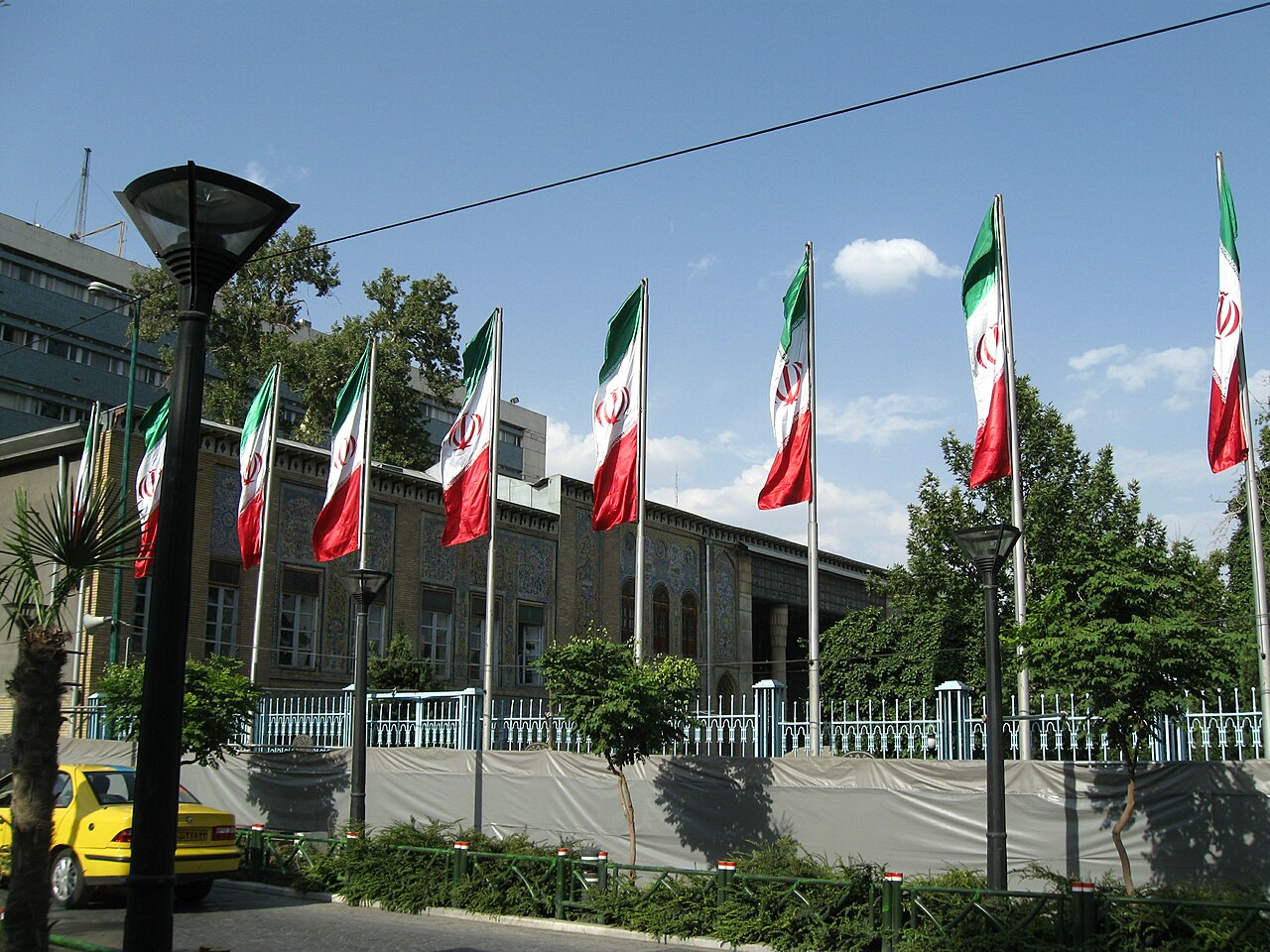
Multiple Gulf nations experienced drone and missile attacks on March 9-10, 2026, attributed to Iran, leading to a fatality in Bahrain and disruptions to regional energy infrastructure. Bahrain's Interior Ministry confirmed one death and eight injuries in Manama after a residential building was struck. The ministry characterized the incidents as "Iranian aggression," reporting the interception of 102 missiles and 173 drones.
Regional Interceptions and Infrastructure Targets
Kuwait and Saudi Arabia also reported intercepting unmanned aerial vehicles over their respective territories. Key energy facilities were targeted, including Bahrain's Bapco oil refinery and Saudi Arabia's Shaybah oilfield, which has a daily production capacity of one million barrels. Qatar additionally reported the interception of 17 ballistic missiles and seven drones, resulting in a temporary halt to some oil and gas production operations.
Oil Market Volatility and Strategic Waterways
The attacks, alongside Iran's closure of the Strait of Hormuz, a critical maritime chokepoint through which approximately 20% of the world's oil supply transits, triggered significant volatility in global oil markets. Brent crude prices initially surged to nearly $120 per barrel before stabilizing around $90 per barrel on March 10. This represented a 24% increase in prices since February 28, reflecting heightened geopolitical risk premiums.
Geopolitical Context and International Warnings
These escalations unfolded amid an ongoing conflict involving the United States, Israel, and Iran. Former U.S. President Donald Trump had previously issued warnings regarding potential responses if Iran continued to impede oil transit through the Strait of Hormuz. A spokesperson for Iran's Revolutionary Guard Corps indicated that Iran would dictate the terms for the conflict's resolution.
Broader Implications for Global Energy Security
The targeting of critical energy infrastructure and the threat to a major shipping lane underscore the fragility of global energy supply chains. Such actions can lead to sustained price increases, impacting consumer economies worldwide and potentially prompting strategic energy reserve releases. The incident highlights the complex interplay between regional political tensions and global economic stability, particularly concerning hydrocarbon resources.
Future Outlook and Diplomatic Challenges
The events of March 2026 suggest a continued period of elevated tensions in the Middle East. International efforts to de-escalate the situation and ensure the unimpeded flow of global trade, especially through vital maritime routes, will be crucial. The responses from regional and international powers will likely shape the trajectory of energy markets and geopolitical stability in the coming months.
Implications
Country Impact: The attacks directly impacted Bahrain, Kuwait, Saudi Arabia, and Qatar, leading to a fatality in Bahrain and temporary disruptions in energy production. Regional stability is significantly threatened, potentially escalating existing geopolitical tensions.
Industry Impact: The global oil and gas industry faces increased volatility and supply chain risks due to targeted infrastructure and threats to the Strait of Hormuz. Energy companies may re-evaluate security protocols and supply routes, impacting operational costs and investment decisions.
Market Impact: Global energy markets experienced immediate price surges, with Brent crude rising significantly. Sustained geopolitical risk premiums could lead to higher energy costs for consumers and businesses worldwide, potentially fueling inflation and impacting economic growth.