Iran's Decentralized Defense Doctrine Explained
Iran has adopted a "decentralized mosaic defense" doctrine to sustain military operations even if central command is compromised, aiming to prolong conflicts.
Lauren Collins ·
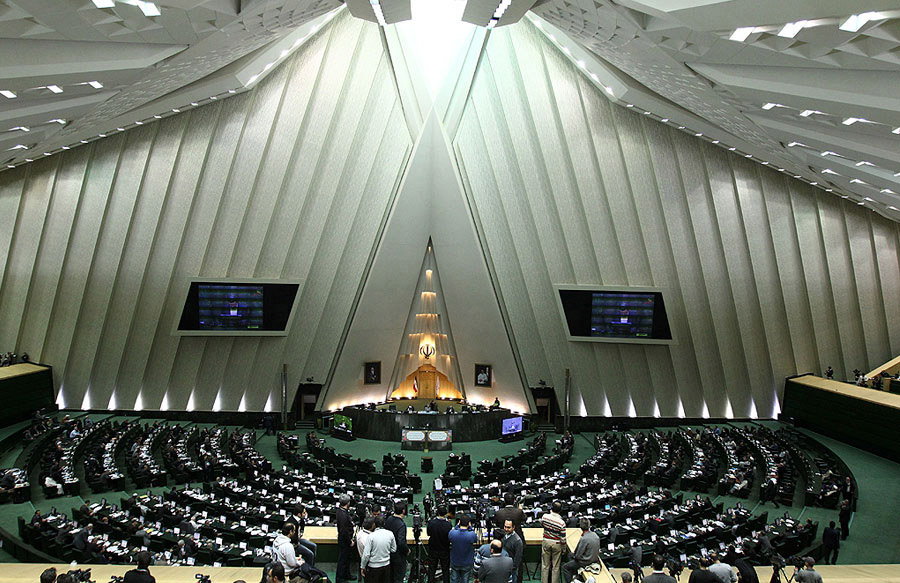
Iran has formally adopted a "decentralized mosaic defense" doctrine, a strategic framework designed to ensure the continuity of military operations even under conditions of severe attack. This approach, primarily associated with the Islamic Revolutionary Guard Corps (IRGC), aims to distribute military assets and command authority across various regional units.
The doctrine seeks to prevent a rapid systemic collapse by enabling semi-independent forces to continue fighting if central command structures or key facilities are compromised.
This strategic shift was formalized after 2003, following observations of the swift defeat of centralized military structures in the region. The core objective is to prolong any potential conflict with adversaries, such as the United States or Israel, by increasing the operational resilience of Iran's defense apparatus. The strategy emphasizes endurance and attritional warfare over direct, symmetrical confrontation with technologically superior forces.
Strategic Evolution and Implementation
Naval components of this doctrine focus on anti-access and area denial strategies within the Persian Gulf and the critical Strait of Hormuz. These operations would involve the deployment of fast attack craft and anti-ship missile systems to impede maritime traffic and naval movements. Additionally, Iran's extensive missile capabilities are integrated into this defense posture, providing both deterrence and the capacity for deep-strike operations.
Historical Context and Regional Implications
Furthermore, the "mosaic defense" extends beyond Iran's borders by incorporating its network of regional allied armed groups. This integration allows for the potential expansion of the battlefield, complicating an adversary's operational planning and potentially drawing them into a wider regional conflict. This aspect underscores Iran's broader regional security strategy, which leverages non-state actors to project influence and deter aggression.
Outlook on Future Engagements
Implications
Country Impact: Iran's adoption of a decentralized defense doctrine signals a long-term commitment to asymmetric warfare, potentially increasing the resilience of its military against external threats. This could lead to prolonged conflicts if deterrence fails, impacting regional stability.
Industry Impact: The focus on anti-access capabilities in the Persian Gulf and Strait of Hormuz could impact global shipping and energy markets. Increased tensions or conflict in this vital waterway would disrupt oil and gas transit, affecting supply chains and insurance costs.
Market Impact: Geopolitical tensions stemming from Iran's defense posture could introduce volatility into global energy prices, particularly crude oil. Investor sentiment in emerging markets, especially those reliant on Middle Eastern oil, could also be negatively affected by perceived instability.