Trump Increases EU Auto Tariffs
Donald Trump increased tariffs on EU cars and lorries to 25% due to delayed trade deal ratification.
Lauren Collins ·
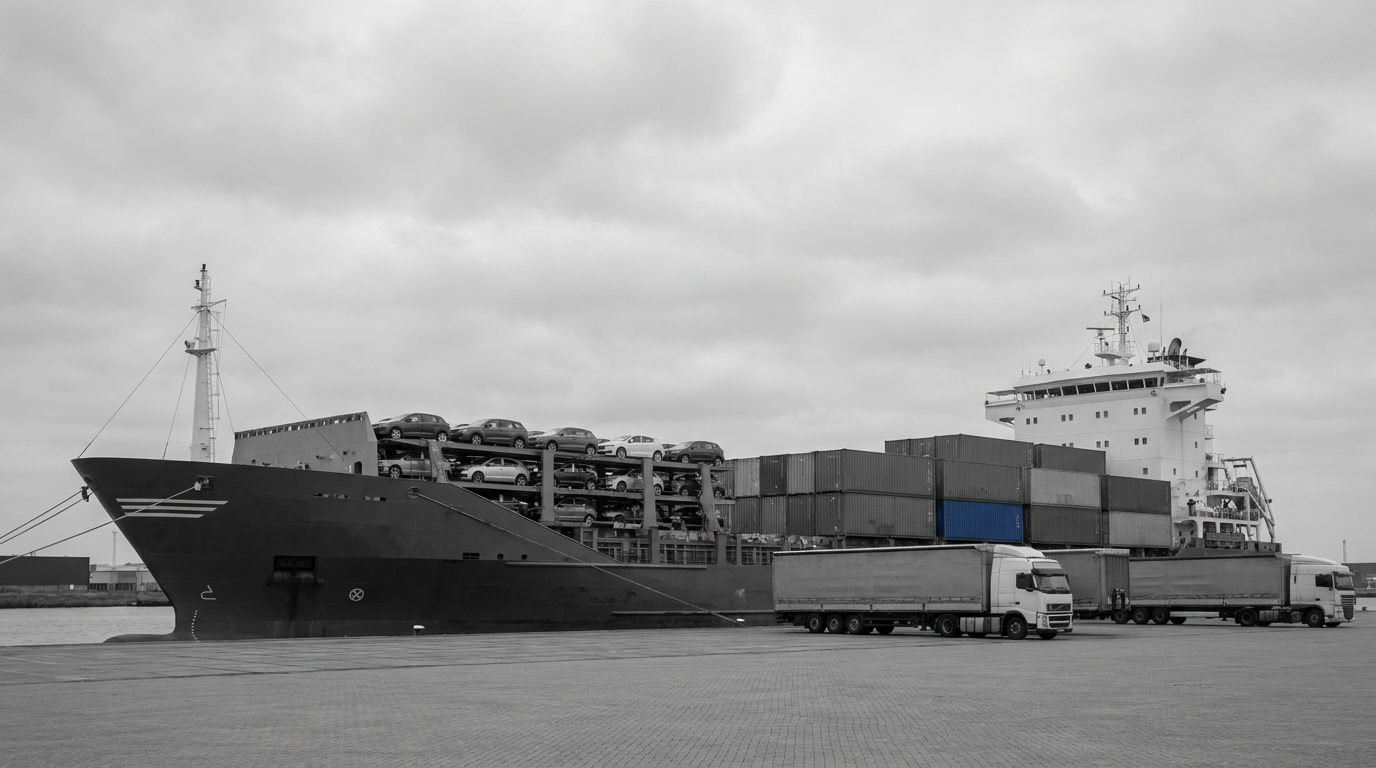
Trump Increases EU Auto Tariffs On May 1, Donald Trump announced an increase in tariffs on cars and lorries imported into the United States from the European Union, citing the EU's delayed ratification of a trade deal. The tariff rate will rise from 15% to 25% starting next week. This decision impacts vehicles manufactured in the EU, while those produced in the U.S. by EU companies will be exempt.
The tariff hike follows Trump's criticism that Brussels has taken too long to formally approve the trade agreement, which was initially struck last summer. Although the European Parliament voted in late March to advance the deal, it has not yet completed the formal "trilogue" process involving signatures from the European Commission, the European Council, and the Parliament. The EU's international trade committee chair, Bernd Lange, immediately condemned the move, indicating a potential diplomatic response.
This development occurs after the European Parliament had twice paused the formal ratification process for the tariff deal, once in January over a dispute regarding Greenland and again in February due to a supreme court ruling. The original 15% tariff on most goods, including cars, was agreed upon at Turnberry, Scotland, after the EU and German car manufacturers lobbied against a previously considered 50% tariff. In exchange, the EU committed to purchasing $750 billion in U.S. energy and investing $600 billion in the U.S.