Trump Postpones China Visit Amid Iran Conflict
Former U.S. President Donald Trump postponed his China visit, initially set for March 31, due to the ongoing Iran conflict.
Lauren Collins ·
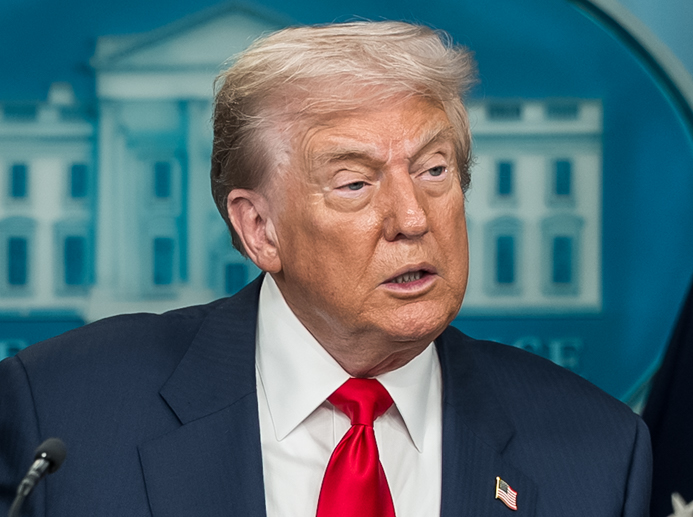
Former U.S. President Donald Trump has deferred his scheduled visit to Beijing, China, citing the ongoing military engagement involving Iran. The announcement, made on Monday, March 18, indicates a strategic decision to maintain his presence within the United States during the current operational phase.
President Trump, speaking from the Oval Office, confirmed that the summit with Chinese leader Xi Jinping, initially planned for March 31, would be postponed by approximately one month. This adjustment prioritizes domestic focus during the military actions that began on February 28, following reported U.S. and Israeli hostilities against Iran.
Rationale for Postponement
The former president emphasized the necessity of his continued presence in the U.S. while military operations unfold. He characterized the conflict as an "excursion" and, despite acknowledging that it would not conclude within the current week, expressed confidence in an impending resolution. Vice President JD Vance, present during the announcement, publicly supported President Trump's management of the situation, differentiating it from previous military interventions.
Regional Tensions and Global Impact
The conflict has reportedly resulted in injuries to at least 200 American service members. A significant geopolitical consequence of the tensions has been Iran's effective closure of the Strait of Hormuz. This critical maritime chokepoint is vital for approximately 20% of the world's oil exports, and its obstruction has contributed to an increase in global oil prices.
International Relations and Alliances
President Trump also voiced criticism regarding the perceived hesitation of Western allies, specifically the United Kingdom, to assist in reopening the Strait of Hormuz. This highlights broader challenges in international cooperation during periods of heightened geopolitical instability. The postponement of the China visit underscores how regional conflicts can disrupt diplomatic calendars and global political engagements.
Outlook on Diplomatic Engagements
The delay in the U.S.-China summit suggests that the administration is dedicating its immediate attention to the Middle East. While the new date for the meeting has not been finalized, the one-month delay indicates a temporary shift in diplomatic priorities. The situation in the Strait of Hormuz and its impact on energy markets will remain a key focus for international observers and policymakers.
Implications
Country Impact: The U.S. administration's focus shifts domestically and towards the Middle East, potentially delaying other foreign policy initiatives. China's diplomatic calendar is also affected, requiring rescheduling of high-level talks.
Industry Impact: The closure of the Strait of Hormuz directly impacts the global oil and shipping industries, leading to increased prices and potential supply chain disruptions. Energy markets face heightened volatility due to geopolitical risk.
Market Impact: Global oil prices are likely to remain elevated or increase further due to supply concerns from the Strait of Hormuz. Equity markets may react to increased geopolitical uncertainty, while bond markets could see safe-haven flows.