Europe Rejects Hormuz Military Intervention
European nations reject Trump's call for military aid in Strait of Hormuz, prioritizing diplomacy amid rising energy prices.
Lauren Collins ·
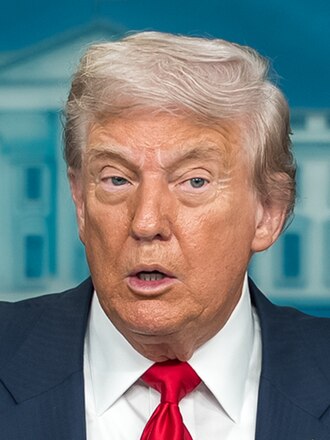
S. President Donald Trump to deploy naval assets to the Strait of Hormuz. This decision, made on March 16, 2026, comes after Iran effectively closed the critical maritime passage, which previously facilitated a significant portion of global oil and liquefied natural gas shipments. European leaders are prioritizing diplomatic solutions over military engagement in the escalating regional crisis.
Germany's Defense Minister, Boris Pistorius, explicitly stated that military involvement in reopening the strait was not a German objective. A spokesperson for German Chancellor Friedrich Merz further clarified that the North Atlantic Treaty Organization's (NATO) mandate is focused on territorial defense, not on such external operations. This position underscores a clear divergence from the former U.S. administration's call for military action.
United Kingdom Prime Minister Keir Starmer indicated a preference for a multilateral plan agreed upon by various international partners. Concurrently, Italian Foreign Minister Antonio Tajani emphasized the necessity of diplomatic efforts, ruling out any expansion of existing European Union anti-piracy missions into the Strait of Hormuz. These statements collectively highlight a European consensus against military intervention.
The European stance contrasts with recent U.S. and Israeli military actions against Iran, which began 16 days prior to the European rejection and have contributed to a broader regional conflict. This escalation has led to a significant increase in global energy prices. Australia, France, and Japan have also confirmed they do not intend to dispatch warships to the area.
The Strait of Hormuz is a choke point of immense global economic importance, with approximately one-fifth of the world's oil and a substantial volume of liquefied natural gas transiting through it. Its closure has immediate and far-reaching implications for international energy markets and supply chains. The European emphasis on diplomacy reflects a strategic preference for de-escalation and multilateral consensus to ensure regional stability and the security of global energy flows.
Former President Trump had warned of a "very bad future" for NATO if member states did not comply with his request for military assistance. S. Navy had not achieved a resolution. This collective European position underscores a commitment to diplomatic engagement as the primary means of addressing the crisis and mitigating its economic repercussions.
Implications
Country Impact: The collective European decision signals a unified diplomatic approach to the regional crisis, potentially straining transatlantic relations with the U.S. and reinforcing European strategic autonomy in foreign policy. It also highlights internal consensus among key EU members on de-escalation.
Industry Impact: The closure of the Strait of Hormuz directly impacts the global energy sector, leading to increased oil and natural gas prices. Shipping and logistics industries face significant disruptions and higher operational costs due to rerouting or delays, affecting global supply chains.
Market Impact: Global energy markets are experiencing volatility and price surges, impacting inflation and economic stability worldwide. Equity markets may react negatively to increased geopolitical risk, while bond markets could see shifts as investors seek safe-haven assets.