Trump Postpones China Summit Amid Iran Conflict
Trump postpones China summit by one month due to the Iran conflict, shifting U.S. foreign policy focus and impacting global oil supply.
Lauren Collins ·
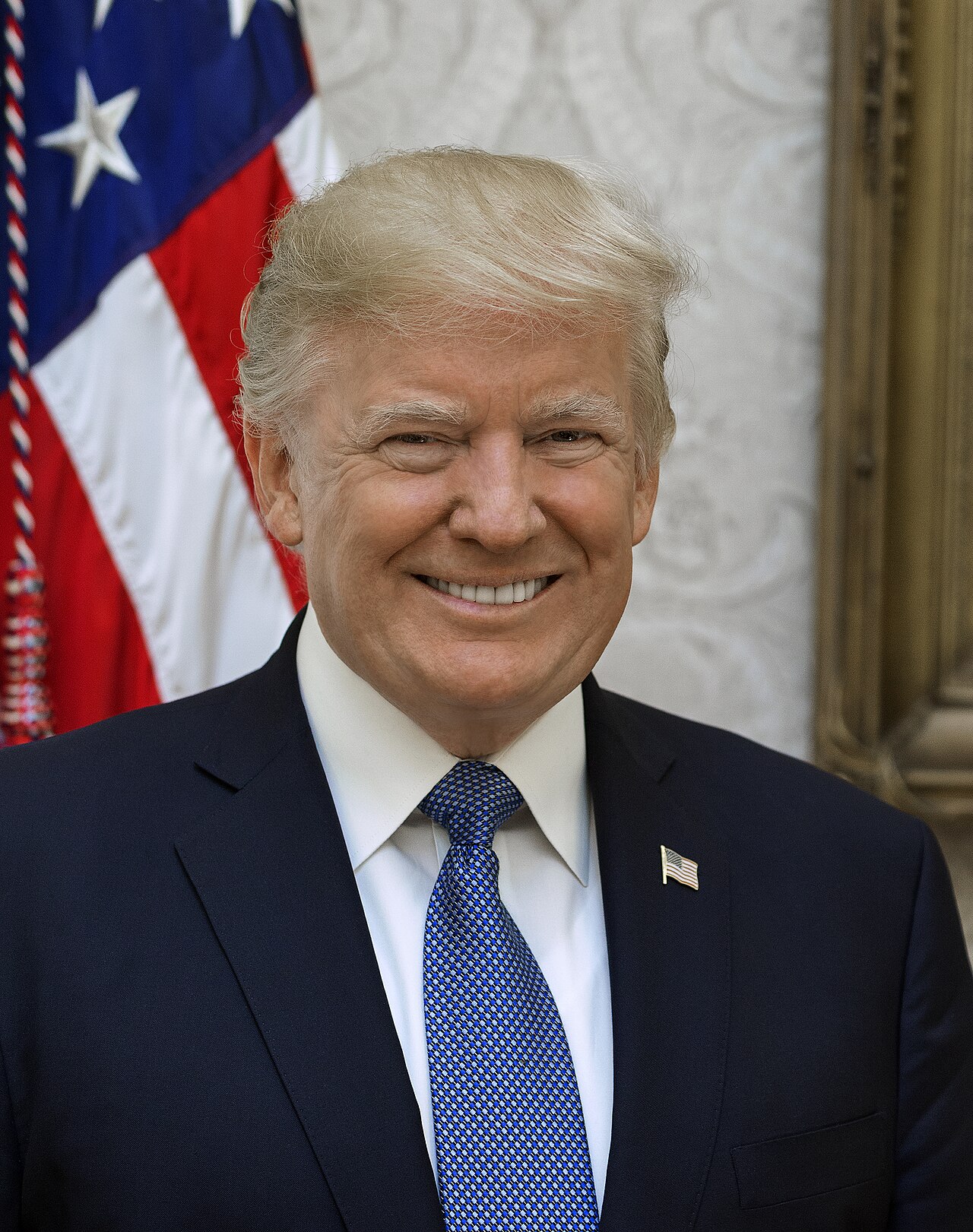
President Donald Trump has requested a delay of approximately one month for his planned visit to China. The summit, initially scheduled for March 31 to April 2, will be rescheduled due to the ongoing conflict in Iran. This decision underscores the administration's focus on Middle Eastern geopolitical developments.
Geopolitical Priorities Shift
The White House indicated that President Trump's direct involvement is necessary to manage the escalating situation in Iran. The conflict has emerged as a central foreign policy challenge for the United States, requiring immediate attention from the nation's leadership. This prioritization has directly impacted the diplomatic calendar.
Economic Implications of Regional Instability
The conflict in Iran has already begun to affect global oil supplies. Disruptions in the region's energy production and transit routes are raising concerns about potential increases in oil prices within the United States. Such price hikes could have broader economic consequences, influencing consumer spending and inflation rates.
Bilateral Engagements Continue
Despite the summit postponement, diplomatic channels between the U.S. and China remain active. Representatives from both nations recently concluded discussions in Paris. These talks focused on bilateral investment treaties, indicating ongoing efforts to manage economic relations even as high-level meetings are adjusted.
Context of U.S.-China Relations
-China relations, characterized by ongoing trade negotiations and strategic competition. While the immediate cause for postponement is the Iran situation, the broader context involves a multifaceted relationship encompassing economic, security, and diplomatic dimensions. The rescheduling allows both sides to prepare for a more focused discussion on critical bilateral issues once the immediate geopolitical pressures subside.
Outlook for Future Diplomacy
The postponement suggests that the U.S. administration views the Iran situation as a more pressing concern than the immediate advancement of the China summit. Future dates for the meeting will likely depend on the de-escalation of tensions in the Middle East and the resolution of the current crisis. The decision highlights the dynamic nature of international diplomacy, where unforeseen events can quickly alter established schedules and priorities.
Implications
Country Impact: The United States' foreign policy focus has demonstrably shifted towards the Middle East, potentially delaying progress on other international agendas. China's diplomatic calendar will also require adjustments, though bilateral investment talks continue.
Industry Impact: The global energy sector faces increased volatility and potential price hikes due to supply disruptions stemming from the Iran conflict. This could impact industries reliant on stable oil prices, such as transportation and manufacturing.
Market Impact: Global markets may react to increased geopolitical uncertainty, particularly in energy commodities. The delay of a high-level U.S.-China summit could also introduce minor uncertainty into trade-related sectors, though ongoing negotiations mitigate some concerns.