Trump says US will ‘obliterate’ Iran’s power plants if Strait of Hormuz not open before 48-hour deadline
Donald Trump warns the U.S. will target Iran's power plants if the Strait of Hormuz is not reopened within 48 hours, amid rising Middle East tensions.
Lauren Collins ·
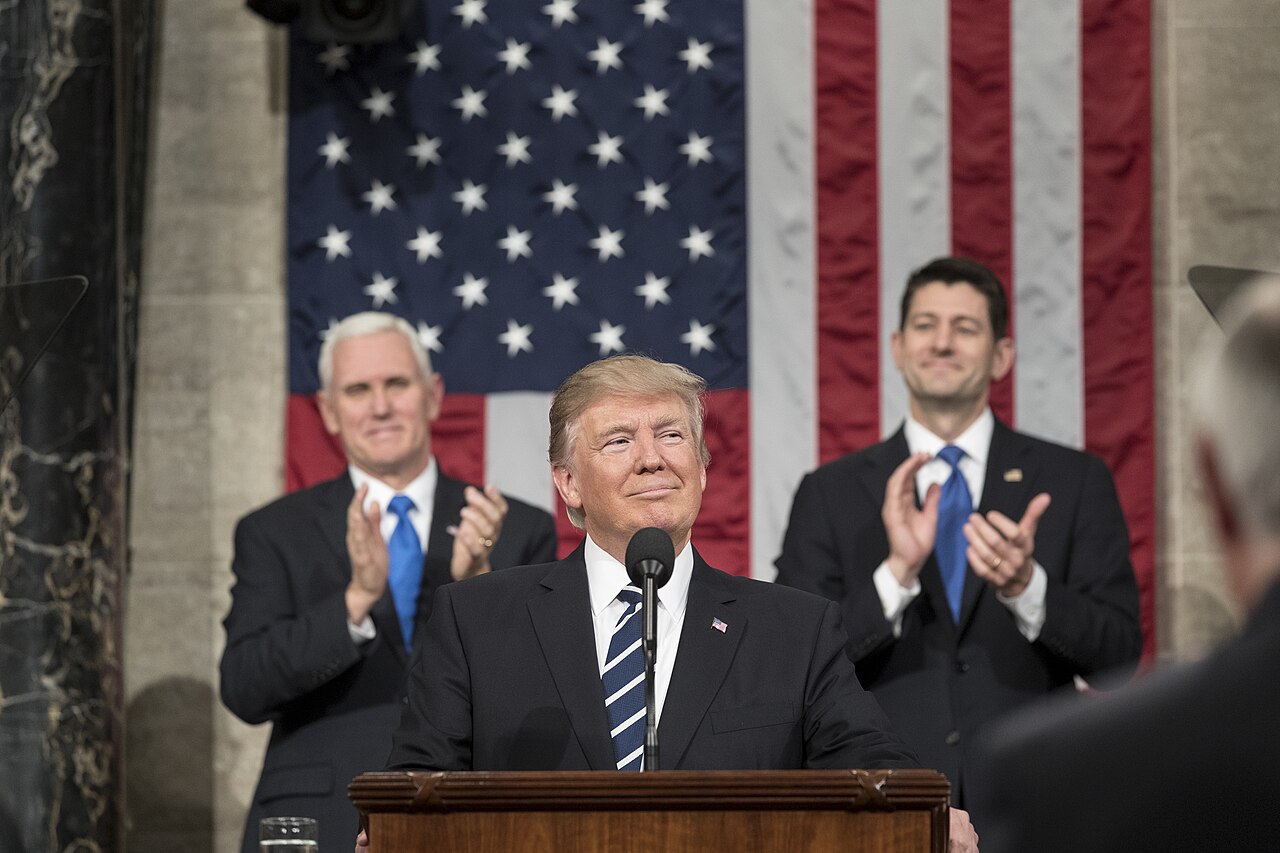
Former U.S. President Donald Trump has issued a warning that the United States would target Iranian power infrastructure if the Strait of Hormuz is not reopened within a 48-hour timeframe. This statement emerges amid heightened geopolitical tensions in the Middle East, following recent military exchanges and threats.
The Strait of Hormuz, a vital maritime chokepoint, is crucial for global oil shipments. Its potential closure or disruption carries significant implications for international energy markets and global trade routes. The threat from the U.S. side underscores the strategic importance of this waterway.
Escalating Regional Tensions
Recent events have contributed to the volatile environment. Missile strikes have been reported in southern Israel, impacting areas near a nuclear facility. In response, Israel has reportedly conducted retaliatory strikes against targets in Tehran, further intensifying the conflict.
Iran has countered the U.S. threat by stating it would retaliate against all U.S.-affiliated energy infrastructure across the Middle East if its power plants were attacked. This exchange of warnings highlights a dangerous escalation cycle between the two nations.
Strategic Waterway and Military Actions
The Strait of Hormuz facilitates approximately one-fifth of the world's total oil consumption. Any prolonged disruption to shipping through this strait would likely lead to substantial increases in global oil prices and significant economic instability.
Further complicating the regional security landscape, there have been reports of an attempted Iranian missile strike on the joint UK-U.S. military base located on Diego Garcia. This incident suggests a broadening scope of potential targets in any direct confrontation.
International Concerns and Nuclear Facilities
The International Atomic Energy Agency (IAEA) has called for extreme military restraint, particularly concerning operations near nuclear installations. This appeal follows an Iranian missile strike that landed approximately 13 kilometers from Israel's Shimon Peres Negev Nuclear Research Facility, situated near Dimona.
The recent strikes in southern Israel have reportedly resulted in over 100 injuries, indicating the human cost of the ongoing hostilities. The international community remains concerned about the potential for wider conflict and its impact on regional stability and global security.
Outlook on Geopolitical Stability
The current situation reflects a deepening crisis, with both sides issuing severe warnings. The potential for military action against critical infrastructure, coupled with the strategic importance of the Strait of Hormuz, creates a high-stakes environment for global markets and political stability. Observers are closely monitoring diplomatic efforts and military movements to assess the likelihood of de-escalation or further confrontation.
Implications
Country Impact: The escalating tensions could destabilize the Middle East, potentially drawing in more regional actors and increasing the risk of broader conflict. Iran and Israel face direct threats to their infrastructure, with significant domestic consequences.
Industry Impact: The global energy sector faces immediate risks, particularly regarding oil prices and supply chain disruptions if the Strait of Hormuz is affected. Defense and security industries may see increased demand, while other sectors could face economic uncertainty.
Market Impact: Global financial markets are likely to react with increased volatility, especially in oil futures and related commodities. Investor confidence could decline, leading to shifts towards safe-haven assets and potential downturns in equity markets.