Iran strikes towns near Israel’s nuclear site in escalating tit-for-tat
Iranian missiles struck Israeli cities, injuring 97 people, in retaliation for an alleged attack on Iran's nuclear site, escalating regional tensions.
Lauren Collins ·
Iranian missiles struck the southern Israeli cities of Dimona and Arad on Saturday, March 21, 2026, resulting in numerous casualties and substantial property damage. This incident represents a significant escalation in the ongoing regional tensions between Iran and the U.S.-Israel alliance, now in its fourth week. Tehran characterized these strikes as a direct retaliation for an earlier alleged assault on its Natanz nuclear enrichment facility.
Casualties and Damage Assessment
Emergency services in Israel reported 97 individuals sustained injuries, with eight people, including a 10-year-old boy, in critical condition. The attacks caused extensive damage, particularly in Dimona, where three separate impact sites were identified. One three-story building collapsed, and multiple fires erupted. Arad's city center also experienced considerable destruction.
Air Defense Challenges
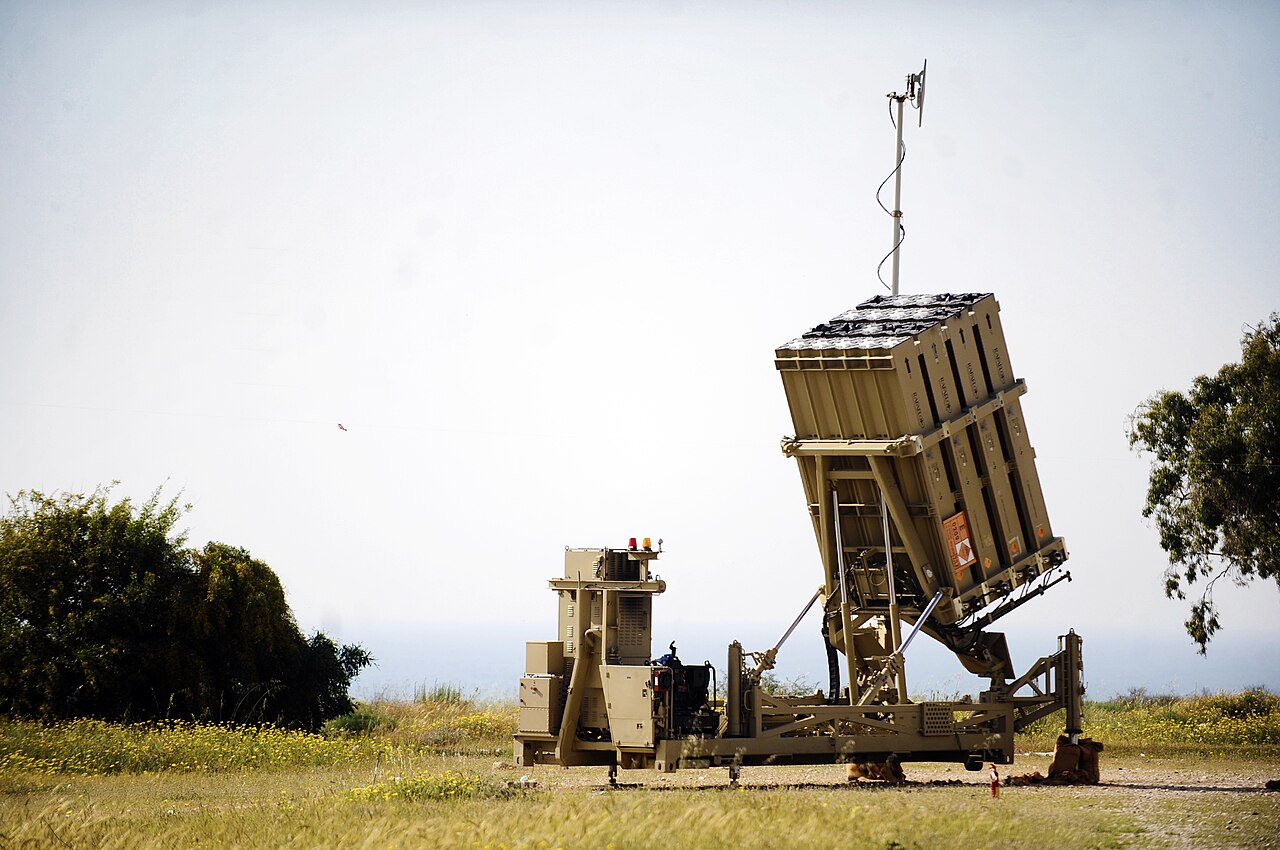
Israeli air defense systems were activated in response to the incoming projectiles. However, some missiles, described as non-specialized, successfully bypassed these defenses. Firefighters noted that interceptors were unable to neutralize ballistic missiles carrying warheads weighing hundreds of kilograms, indicating a potential gap in current defensive capabilities against certain types of threats.
Nuclear Facility Status
The International Atomic Energy Agency (IAEA) confirmed that the Shimon Peres Negev Nuclear Research Center near Dimona sustained no damage. Furthermore, the IAEA reported no abnormal radiation levels in the area. The agency issued a call for maximum military restraint, emphasizing the critical importance of avoiding conflict near nuclear installations to prevent wider regional and environmental consequences.
Preceding Israeli Operation
Hours before the Iranian strikes, the Israeli military announced it had targeted a research and development facility at Tehran's Malek Ashtar University. Israel asserted that this facility was involved in the development of components for both nuclear weapons and ballistic missiles, providing a potential context for Iran's retaliatory actions. This exchange highlights the tit-for-tat nature of the escalating conflict.
Regional Implications
The recent missile exchanges underscore the volatile security environment in the Middle East. The targeting of civilian areas and critical infrastructure, coupled with the involvement of nuclear-related sites, raises concerns about the potential for broader regional destabilization. International observers are closely monitoring the situation for further retaliatory actions and their impact on global energy markets and diplomatic efforts.
International Response and Outlook
Global powers have urged de-escalation, fearing a wider conflict. The United Nations Security Council is expected to convene to discuss the situation, with calls for all parties to exercise restraint and adhere to international law. The immediate outlook remains uncertain, with a high risk of further military engagements as both sides demonstrate a willingness to respond to perceived aggressions.
Implications
Country Impact: Israel faces heightened security challenges, with its air defense systems demonstrating vulnerabilities to certain missile types. Iran's actions signal a willingness to directly target Israeli territory, increasing the risk of further retaliatory strikes and potential for a wider regional conflict.
Industry Impact: The escalating conflict could disrupt global energy markets, particularly oil and gas supplies from the Middle East, leading to price volatility. Defense industries may see increased demand for advanced missile defense systems and related technologies.
Market Impact: Global financial markets are likely to react with increased risk aversion, potentially leading to declines in equity markets and a flight to safe-haven assets like gold and government bonds. Oil prices could surge, impacting inflation forecasts and central bank policies worldwide.